


Cannabis Prenatal Safety Study: Latest Research Findings
The Changing Conversation Around Cannabis Use During Pregnancy
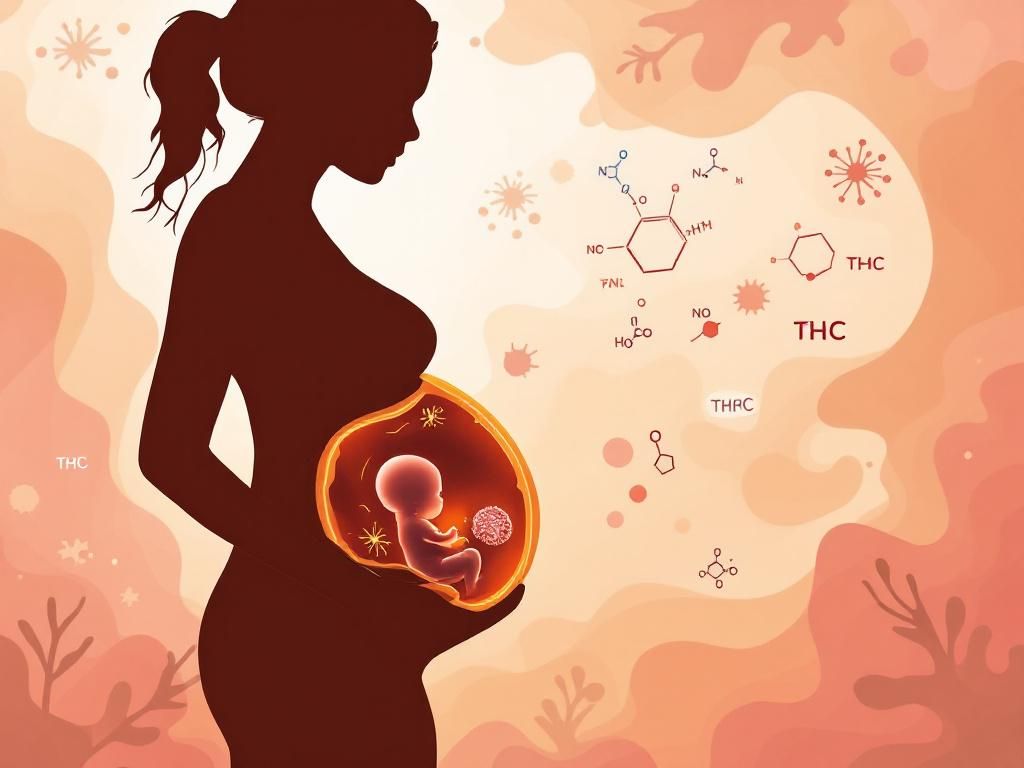
Cannabis discussions have shifted dramatically as legalisation expands across various regions, including parts of the UK. This legal evolution has unfortunately led some to assume cannabis is inherently safe, even during pregnancy. Yet scientific research continues revealing the complex implications of cannabis prenatal safety study, particularly concerning delta-9-tetrahydrocannabinol (THC), the plant’s primary psychoactive compound. For a deeper understanding of its effects, explore our guide on does THC get you high.
THC crosses the placental barrier with ease, directly reaching your developing baby. Both the foetal brain and placenta develop cannabinoid receptors early during pregnancy, while the endocannabinoid system plays a crucial role in embryonic development, implantation, and brain formation. External cannabinoids like THC can potentially interfere with these delicate processes, raising serious questions about cannabis prenatal safety.
Recent systematic reviews paint an increasingly concerning picture. A comprehensive meta-analysis examining over 21 million participants found that cannabis use during pregnancy appears to increase odds of preterm birth, low birth weight, and infant mortality. These findings contradict earlier, less conclusive research and highlight why current cannabis during pregnancy risks matter so much.
Many pregnant individuals turn to cannabis for managing common symptoms like nausea, pain, anxiety, and insomnia. For those seeking relief, our guide on THC sleep insomnia UK offers valuable insights. Some use it for pre-existing medical conditions, believing it offers a natural alternative to conventional medications. However, major health authorities including the American College of Obstetricians and Gynecologists (ACOG) and the UK’s National Institute for Health and Care Excellence (NICE) strongly advise against any cannabis use during pregnancy and breastfeeding.
Why do these organisations take such a firm stance?
The answer lies in mounting evidence that no safe level of cannabis use has been established for pregnancy. This article examines the latest scientific findings on cannabis prenatal safety, offering valuable insights for anyone seeking evidence-based information on this critical topic.
Key Takeaways
- Large-scale studies consistently link cannabis use during pregnancy to adverse birth outcomes, including increased risks of low birth weight and preterm delivery. For more details on safe practices, consider our weed guide UK. These studies involve millions of participants, making their findings particularly significant for understanding cannabis pregnancy risks. The research shows that even occasional use can potentially impact your baby’s development, challenging assumptions about minimal risk exposure.
- THC’s ability to cross the placenta means it directly affects your developing baby’s brain and nervous system. Discover more about THC effects and their impact. The compound interferes with the natural endocannabinoid system, which plays a vital role in early brain development and other critical functions. Studies suggest this interference may lead to long-term effects on memory, attention, and problem-solving abilities in children. Cannabis prenatal safety research also indicates a subtle but measurable increase in ADHD risk among exposed children.
- No amount of cannabis has been proven safe during pregnancy or breastfeeding. For a comprehensive overview, read our guide on what is CBD. This unanimous position reflects the current state of cannabis prenatal safety evidence, which consistently points toward potential harm rather than safety. Healthcare providers recommend complete abstinence throughout pregnancy and while nursing, regardless of the consumption method or perceived cannabis quality. Safe, medically-approved alternatives exist for managing common pregnancy symptoms without risking your baby’s health.
- Polysubstance use significantly amplifies risks associated with cannabis during pregnancy. Many people who use cannabis also consume tobacco, alcohol, or other substances, creating compound effects that research shows can be particularly harmful. Cannabis prenatal safety studies consistently find that combined substance use increases the likelihood of serious complications including stillbirth, severe growth restriction, and developmental problems. Understanding these multiplied risks helps explain why healthcare providers emphasise abstinence from all recreational substances during pregnancy.
- Open communication with healthcare providers remains essential for making informed decisions about cannabis prenatal safety. Your medical team can provide personalised guidance based on your specific situation, medical history, and current research findings. They can also recommend evidence-based treatments for pregnancy symptoms that don’t carry the risks associated with cannabis use. Remember that honest discussions with your healthcare provider are confidential and focused on ensuring the best outcomes for both you and your baby.
Understanding the Risks: What the Latest Studies Reveal

Current cannabis prenatal safety research provides increasingly clear evidence about potential risks to both mothers and babies. While earlier studies produced mixed results, recent comprehensive investigations involving hundreds of thousands of participants reveal specific patterns of concern. These studies focus particularly on neuropsychiatric outcomes in children exposed to cannabis during pregnancy.
Researchers have found no significant association between prenatal cannabis exposure and certain conditions like autism spectrum disorder, depression, or anxiety disorders. Learn more about weed for anxiety relief. However, the same studies reveal a notable increase in attention-deficit/hyperactivity disorder (ADHD) risk among exposed children. Cannabis prenatal safety research suggests this connection stems from THC’s interference with developing brain regions responsible for executive function, particularly the prefrontal cortex.
“The human brain continues to develop throughout pregnancy and into early adulthood. The introduction of THC during this critical period of development may have long-lasting consequences that we are only beginning to understand.” – Dr. Nora Volkow, Director of the National Institute on Drug Abuse
The mechanism behind these effects involves disruption of the foetal endocannabinoid system. This natural system guides critical aspects of brain development, including nerve cell formation, migration, and connection establishment. When external cannabinoids like THC enter this delicate process, they can alter normal developmental patterns in ways that may not become apparent until childhood or even adolescence.
Beyond brain development concerns, cannabis prenatal safety studies consistently document increased risks of adverse birth outcomes. Explore the benefits of CBD oil for general wellness. Research shows higher odds of preterm birth, with babies born before 37 weeks of pregnancy, and very preterm birth occurring before 32 weeks. Low birth weight represents another significant concern, as does the increased likelihood of neonatal intensive care unit (NICU) admission.
Recent studies also report lower Apgar scores among babies exposed to cannabis during pregnancy. These scores measure newborn health immediately after birth, assessing factors like heart rate, breathing, and muscle tone. Lower scores suggest potential short-term complications that may require medical intervention.
Emerging evidence points toward possible associations between prenatal cannabis exposure and structural birth defects. For more information on cannabis and health, check out does weed help. While research continues investigating these connections, some studies suggest increased risks of cardiovascular and gastrointestinal anomalies. Cannabis prenatal safety research also indicates that marijuana pregnancy effects may restrict blood flow to the placenta, potentially limiting oxygen and nutrient delivery to your developing baby.
The increasing potency of modern cannabis products adds another layer of concern to cannabis prenatal safety considerations. Learn about THC vapes UK for alternative consumption methods. Today’s marijuana contains significantly higher THC concentrations compared to products available during earlier research periods. This increased potency may amplify the risks documented in older studies, making current cannabis prenatal safety data particularly relevant for today’s users.
Why Pregnant Individuals Might Use Cannabis

Understanding motivations behind cannabis use during pregnancy helps healthcare providers offer more effective support and alternatives. Many pregnant individuals report using cannabis to manage challenging symptoms that can significantly impact their quality of life during this important period.
- Severe nausea and vomiting (morning sickness) represents one primary reason people turn to cannabis during pregnancy. Discover how weed helps nausea for some individuals. When conventional treatments prove ineffective or cause unwanted side effects, some view cannabis as offering relief without pharmaceutical complications. However, cannabis prenatal safety research doesn’t support this perception, as studies show no proven benefits for pregnancy-related nausea while documenting potential risks to foetal development.
- Anxiety and depression management motivates another significant portion of cannabis use during pregnancy. Explore medical cannabis as a potential option. The hormonal changes and life adjustments accompanying pregnancy can intensify existing mental health challenges or create new ones. Some individuals believe cannabis offers a natural approach to managing these symptoms, particularly if they’ve found conventional medications ineffective in the past.
- Chronic pain conditions present another common reason for continued cannabis use during pregnancy. Find out more about cannabis pain relief. Individuals with conditions like multiple sclerosis, fibromyalgia, or chronic back pain may rely on cannabis for symptom management before becoming pregnant. Our guide on cannabis chronic pain relief UK provides further information. The challenge of managing pain without their usual treatment can lead some to continue using cannabis despite pregnancy, believing the benefits outweigh potential risks.
- Sleep difficulties often drive cannabis use among pregnant individuals as well. Explore CBD for sleep UK as an alternative. Pregnancy commonly disrupts sleep patterns due to physical discomfort, hormonal changes, and anxiety about impending parenthood. Some turn to cannabis believing it offers safer sleep aid compared to prescription medications, though cannabis prenatal safety research doesn’t support this assumption.
- Pre-existing cannabis habits or dependency also influence continued use during pregnancy. Regular users may find it difficult to stop suddenly, particularly when dealing with pregnancy’s physical and emotional challenges. Some may not realise they’re pregnant during early weeks when foetal development is particularly vulnerable to external influences.
- The perception of cannabis as a natural, safer alternative to pharmaceuticals influences many decisions to use during pregnancy. Understand the differences between CBD vs THC. This belief, often reinforced by legalisation trends and marketing messages, doesn’t align with current cannabis prenatal safety evidence. Research consistently shows that natural doesn’t automatically mean safe, particularly during the delicate developmental period of pregnancy.
- Socioeconomic factors also play a role in cannabis use patterns during pregnancy. Studies indicate that younger pregnant individuals, those with lower incomes, higher stress levels, and concurrent tobacco use show higher rates of cannabis use. These patterns highlight the complex interplay of personal circumstances, stress management needs, and substance use decisions during pregnancy.
Different consumption methods appeal to various users, from smoking flower to consuming edibles or using vaporised oils. Learn about best cannabis vaporizers for safer consumption. Each method presents different absorption patterns and potential risks, including exposure to combustion toxins when smoking. Understanding these varied motivations helps healthcare providers address concerns compassionately while emphasising safer, evidence-based alternatives for symptom management.
Challenges in Research and Informed Decision-Making

Cannabis prenatal safety research faces numerous methodological challenges that complicate our understanding of true risks and benefits. These limitations affect how confidently researchers can draw conclusions about cannabis use during pregnancy and influence the guidance healthcare providers can offer expecting parents.
Polysubstance use presents one of the most significant challenges in cannabis prenatal safety studies. Delve into the risks of mixing weed and alcohol. Many individuals who use cannabis during pregnancy also consume tobacco, alcohol, or other substances, making it nearly impossible to isolate cannabis’s specific effects. Tobacco use alone increases risks of reduced foetal growth, miscarriage, and premature birth, and when combined with cannabis, these risks can multiply significantly.
Self-reporting represents another major limitation affecting cannabis prenatal safety research reliability. For reliable information, consult our guide on how to buy weed online UK safely. Many participants may under-report their cannabis use due to social stigma, legal concerns, or fear of consequences like child protective services involvement. This under-reporting can skew study results, potentially making cannabis appear safer than it actually is or missing important patterns of use and effects.
“The challenge in studying cannabis use during pregnancy is that we cannot ethically conduct controlled trials. We must rely on observational data, which limits our ability to establish definitive causal relationships.” – Dr. Heather Richardson, University of Colorado researcher
Ethical considerations prevent researchers from conducting controlled clinical trials involving pregnant participants and cannabis exposure. Instead, cannabis prenatal safety studies must rely on observational research, which can identify associations but cannot prove direct cause-and-effect relationships. This limitation means researchers can observe patterns but cannot definitively state that cannabis directly causes specific outcomes.
The rapidly changing potency of cannabis products creates additional challenges for cannabis prenatal safety research. Explore THC edibles UK for more on potency. Much existing research examined cannabis with significantly lower THC concentrations than products available today. Modern cannabis often contains THC levels several times higher than products from previous decades, raising concerns that older research may underestimate current risks.
Timing of exposure during pregnancy also complicates cannabis prenatal safety research. Cannabis use during different trimesters may produce varying effects on foetal development, but many studies don’t capture this nuanced timing information. Additionally, the frequency and amount of use can vary significantly between participants, making it difficult to establish dose-response relationships.
Legal status changes across different regions and time periods add another layer of complexity to cannabis prenatal safety research. As legalisation expands, usage patterns may change, potentially affecting both the populations studied and the types of products consumed. This evolving context makes it challenging to apply research findings universally.
Given these research challenges, healthcare organisations adopt a precautionary principle approach to cannabis prenatal safety recommendations. The principle of “better safe than sorry” guides current guidelines, with major medical organisations universally recommending complete abstinence during pregnancy and breastfeeding. This conservative stance reflects the understanding that when dealing with potential harm to developing babies, erring on the side of caution makes the most sense.
Healthcare providers emphasise the importance of open, honest communication about substance use during pregnancy. Rather than judging or stigmatising, medical professionals aim to provide supportive care that prioritises both maternal and foetal health. They can recommend safer, evidence-based alternatives for managing pregnancy symptoms and provide resources for those struggling with substance use.
The evolving nature of cannabis prenatal safety research means that recommendations may change as more data becomes available. However, until research demonstrates clear safety, the medical consensus remains that abstinence represents the safest choice for expecting parents and their developing babies.
Conclusion
Current cannabis prenatal safety research presents a compelling case for caution during pregnancy and breastfeeding. For more information, see our guide on marijuana edibles. While studies continue evolving and face methodological challenges, the growing body of evidence consistently points toward significant risks associated with prenatal cannabis exposure. From potential impacts on foetal brain development to increased risks of low birth weight, preterm delivery, and NICU admission, the research supports major health organisations’ recommendations for complete abstinence.
“Given what we know about brain development and the potential risks, the safest choice for pregnant women is to avoid cannabis entirely.” – Dr. Ryan Bogdan, Washington University in St. Louis
The complexity of cannabis prenatal safety research, including challenges with polysubstance use and the increasing potency of modern products, reinforces why the precautionary principle guides current medical advice. No amount of cannabis has been proven safe during pregnancy, and healthcare professionals universally recommend avoiding all cannabis products throughout pregnancy and while breastfeeding. Open communication with your healthcare provider and exploring evidence-based alternatives for managing pregnancy symptoms remain essential steps for protecting both your health and your baby’s development.
FAQs
| Question | Answer |
|---|---|
| Is there a safe amount of cannabis to use during pregnancy? | No, leading health organisations including ACOG and the CDC state that no known safe amount of cannabis exists for use during pregnancy or while breastfeeding. Find out more about CBD oil dosage. Cannabis prenatal safety research has not identified any level of use that eliminates potential risks to foetal development. |
| Can using cannabis during pregnancy affect my baby’s brain development? | Yes, THC crosses the placenta and can interfere with your baby’s developing brain and nervous system. Discover more about THC vs CBD in our comprehensive guide. Cannabis prenatal safety studies suggest this interference may lead to long-term issues with memory, attention, and problem-solving abilities, along with a slightly increased risk of ADHD in exposed children. |
| What are some other risks of cannabis use during pregnancy? | Cannabis prenatal safety research identifies increased risks of low birth weight, premature birth, stillbirth, and higher rates of NICU admission. For more information on cannabis and health, see our guide on does weed help. Studies also suggest potential associations with structural birth defects and reduced blood flow to the placenta, which can affect foetal growth and development. |
| Is it safe to use cannabis for morning sickness? | No, cannabis is not recommended for treating morning sickness during pregnancy. Consider exploring CBD sleep insomnia UK for alternative remedies. Cannabis prenatal safety studies show no proven benefits for pregnancy-related nausea, while documenting potential risks to your developing baby. Safer, medically approved alternatives are available through consultation with your healthcare provider. For more information on cannabis products, visit our shop. |

