


Does Weed Help You Relax After Studying?
Introduction
Finishing a long stretch of revision and still feeling wired can be exhausting. You close the laptop, yet your brain keeps replaying notes and exam worries. At that point many adults start wondering: does weed help you relax after studying?
For some people, weed can take the edge off by easing mental tension, softening stress and helping the body let go of tightness. It may also quiet racing thoughts so sleep comes more easily. The effect is not the same for everyone though, and it depends heavily on dose, strain and format.
This article walks through how cannabis affects post-study stress, which strains and formats suit different evenings, and how to use BudBuddies products as part of a calm, sensible wind-down. Read on to build a routine that feels clear, predictable and realistic for you.
How Cannabis Actually Helps You Relax After Studying
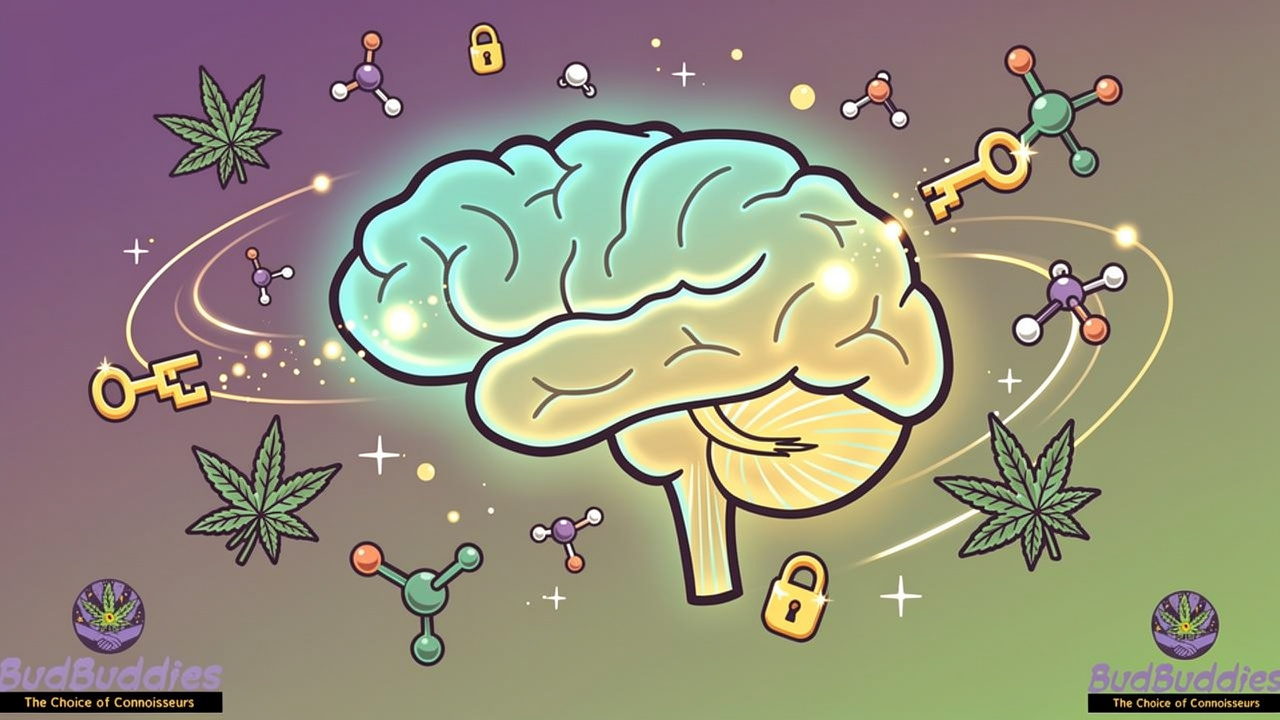
Using cannabis after studying can relax your mind and body by working with your natural endocannabinoid system (ECS). The ECS runs throughout your brain and body and helps regulate stress response, mood, sleep and memory.
THC, the main psychoactive compound in cannabis, binds to CB1 receptors in the brain. In lower amounts this can ease the feeling of pressure, relax muscles and add a sense of ease. THC also encourages dopamine release in areas linked with reward and pleasure, which is one reason a tense evening can feel lighter within minutes of vaping or smoking.
Research from Mental Health Foundation reports that around three quarters of UK adults have felt overwhelmed by stress, so it is no surprise many people look for something that shifts their state quickly.
Another piece of the puzzle is cortisol, the main stress hormone. Studies summarised by National Institute on Drug Abuse suggest that modest doses of THC can reduce cortisol, which lines up with many users’ reports of their shoulders dropping and jaw unclenching. Research on Therapeutically Motivated Cannabis Use suggests that both flower and edible products can produce meaningful reductions in anxiety and stress, which lines up with many users’ reports of their shoulders dropping and jaw unclenching after hours of revision.
CBD behaves differently. Instead of giving a strong high, it gently modulates the ECS and interacts with serotonin receptors. Many people find CBD reduces mental chatter and background anxiety without affecting clear thinking. According to NHS Digital, about one in six adults experience a common mental health problem in any week, so a calmer, non-intoxicating option has clear appeal.
Mental fatigue also links to adenosine, a compound that builds up in the brain while you are awake. Relaxing indica-leaning strains, especially those rich in rich in Myrcene, can help you slide from intense focus into genuine rest. Used thoughtfully, that change supports recovery so you feel more refreshed next time you sit down to study.
Which Type of Cannabis Works Best for Winding Down?
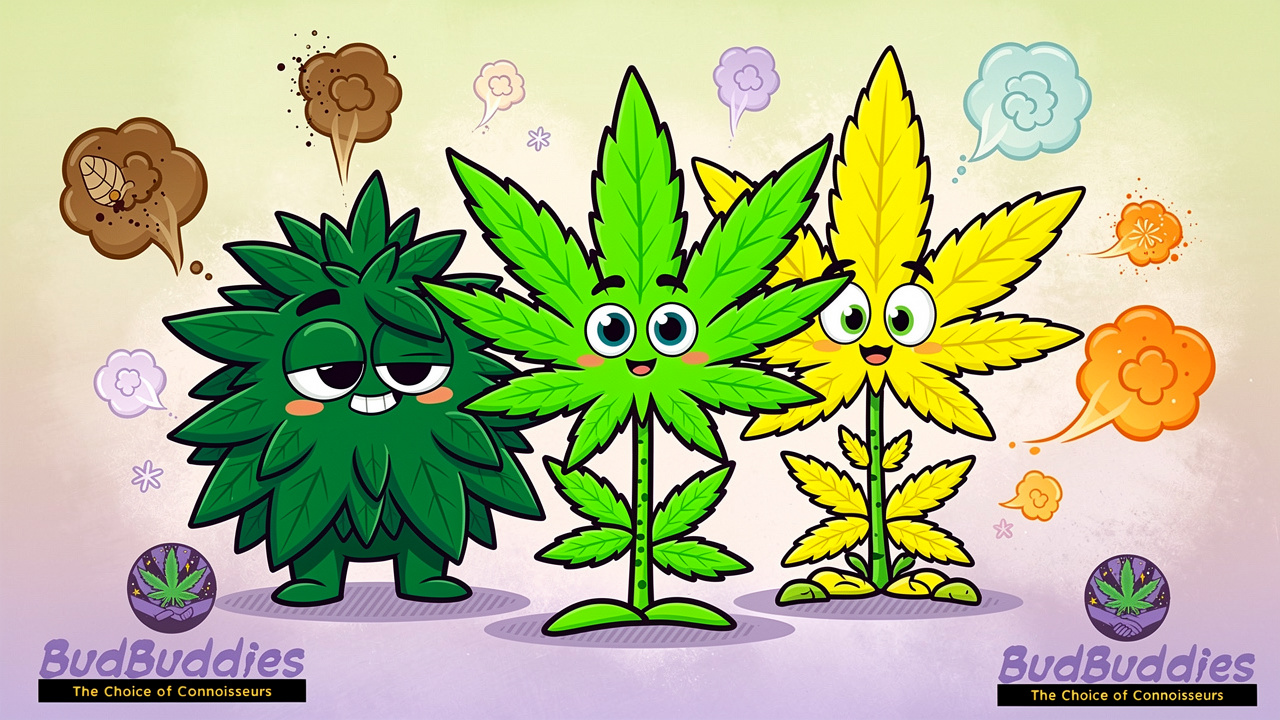
Choosing the right type of cannabis for relaxation after studying means matching the plant’s profile to how you want to feel. This section explains how indica, hybrid and sativa strains differ, and how terpenes shape the kind of calm you get.
Indica-leaning strains usually give a heavier, body-focused effect that many people associate with evening use. They tend to soften muscle tightness, slow the mind and make the sofa feel inviting. After hours in a chair or library booth, an indica can be helpful when the goal is a quiet night and solid sleep.
Hybrids sit between indica and sativa, balancing physical comfort with a clearer head. A good hybrid strain still relaxes you but leaves enough energy for a gentle film, chatting with friends or light gaming. Many experienced consumers use hybrids on study nights when they want to unwind without feeling knocked out.
Sativa-leaning strains are more uplifting and mentally active. They can spark ideas and make conversation flow, which suits daytime or social settings. Straight after studying, though, that extra stimulation can keep thoughts racing. For pure chill and sleep preparation, most people in this situation do better with an indica or calm hybrid instead of a strong sativa.
Terpenes, the aromatic compounds in cannabis, fine tune these effects:
Myrcene (earthy strains): linked with sofa-friendly relaxation and softer muscles.
Linalool (also found in lavender): has a gentle, soothing character that can ease anxious thoughts.
Beta-Caryophyllene (peppery strains): supports a steady, grounded feeling that pairs well with post-study stress release.
Looking at entourage effect helps you choose based on how you want the evening to feel rather than just a strain name. BudBuddies builds terpene information into product pages so both newcomers and seasoned consumers can compare options clearly instead of guessing from vague labels.
BudBuddies Strains Worth Knowing For Post-Study Relaxation
BudBuddies carries several strains that line up nicely with post-study relaxation goals. Cheese and Zkittlez are Myrcene-rich indica-dominant options that many adults pick for deep evening calm. They tend to settle the body, quiet looping thoughts and make drifting off after a long revision block easier.
For a gentler, balanced wind-down, Gelato and Stardawg are hybrid choices that keep things mellow without feeling too heavy. They ease tension while leaving you able to enjoy music, streaming or a quiet chat. When you still want a spark of creativity or conversation after studying, they sit in a comfortable middle ground.
If you prefer to stay more alert yet calmer, Amnesia Haze and Lemon Haze lean towards brighter terpenes like Limonene and Pinene. These profiles can offer a lighter, more upbeat finish to the evening while still taking the edge off stress. On budbuddies.cc every strain listing includes clear cannabinoid percentages, terpene highlights and lab reports so you can match your choice to your plans with confidence.
What Format Should You Choose To Relax After Studying?

The best cannabis format for relaxing after studying depends on how fast you want to feel the effects, how long you want them to last and how private your space is. This section compares vapes, edibles, flower and CBD options so you can match them to your evening.
Vapes are the quickest route. When you inhale from a THC vape cartridge, you usually feel changes within a few minutes. That speed helps you avoid overdoing it because you can pause after one or two pulls and see how relaxed you feel. BudBuddies’ standard 510 cartridges are small, low odour and easy to store discreetly in shared homes.
Edibles are completely smoke free and very discreet, which matters if you live with housemates or family. Gummies, baked treats and capsules take longer to kick in, usually between 30 minutes and two hours, but once they land, the relaxed feeling can last four to eight hours. Clear edible dosage calculator on BudBuddies edibles, often starting around 5 to 10 mg THC, help you start low and avoid the classic mistake of redosing too quickly.
Many people still enjoy cannabis flower for its flavour and control. Vaping or smoking a small amount of indica or hybrid flower lets you creep up on the right level gently. With BudBuddies flower, strain type, THC level and terpene profile are listed in plain English so you know whether a particular bud is better for a light unwind or a full switch off.
CBD formats deserve a special mention. Oils, capsules, CBD gummies and CBD flower (often brewed as hemp tea) offer relaxation without an intoxicating high. Research reviewed by Sleep Foundation suggests that up to one third of adults experience insomnia symptoms, so a gentler way to calm down before bed can be valuable. BudBuddies provides full Certificates of Analysis for CBD products so you can see exactly what you are taking.
To bring this together, think about your timetable:
If you start relaxing late, a vape or small amount of flower gives quick relief that fades before morning.
If you finish earlier and want a long, smooth glide into sleep, an edible or CBD oil in the early evening can cover the whole night.
Important Things To Know Before You Use Cannabis To Unwind
Using cannabis to unwind after studying works best when you treat it with the same care you give your revision plan. Dose, timing, other substances and your environment all make a difference.
Dose is the biggest factor in whether weed calms you or makes you feel unsettled. Lower to moderate THC amounts usually bring comfort and softness. Much higher amounts, especially for newer users, can trigger racing thoughts, faster heartbeat and uneasy feelings.
The safest rule with THC is to “start low and go slow,” then adjust gradually as you learn how your body reacts.
Timing matters too, and a From fried to focused? daily diary study examining after-work cannabis use found that downstream performance effects varied significantly depending on when and how cannabis was consumed relative to work or study periods. Memory research discussed in National Library of Medicine shows that the brain continues processing new information for several hours after learning. Having a strong THC session the second you close your laptop might blur some of that consolidation. Waiting 30 to 60 minutes after studying gives your brain space to start filing things away before you relax more deeply.
Mixing cannabis with alcohol or other substances makes effects less predictable. The combination can increase nausea, confusion or anxiety and makes it harder to judge your own limits. Keeping your evening simple, with cannabis or CBD as the main helper and water by your side, tends to give a cleaner, more pleasant outcome.
Environment plays a role as well. Cannabis often amplifies your current mood and surroundings. A cluttered desk, bright screen and stressful messages can keep your nervous system on edge. A tidy room, soft lighting and a calm activity such as light stretching or a comfort series on television create a setting where cannabis actually supports rest instead of adding chaos.
Finally, pay attention to how different products affect you over several evenings. Everyone’s body chemistry, past use and stress level make their response personal. Keeping rough notes on strain, dose, format and how you slept later can help you refine your approach, especially when you are choosing from the BudBuddies range.
How To Build a Post-Study Wind-Down Routine With Cannabis
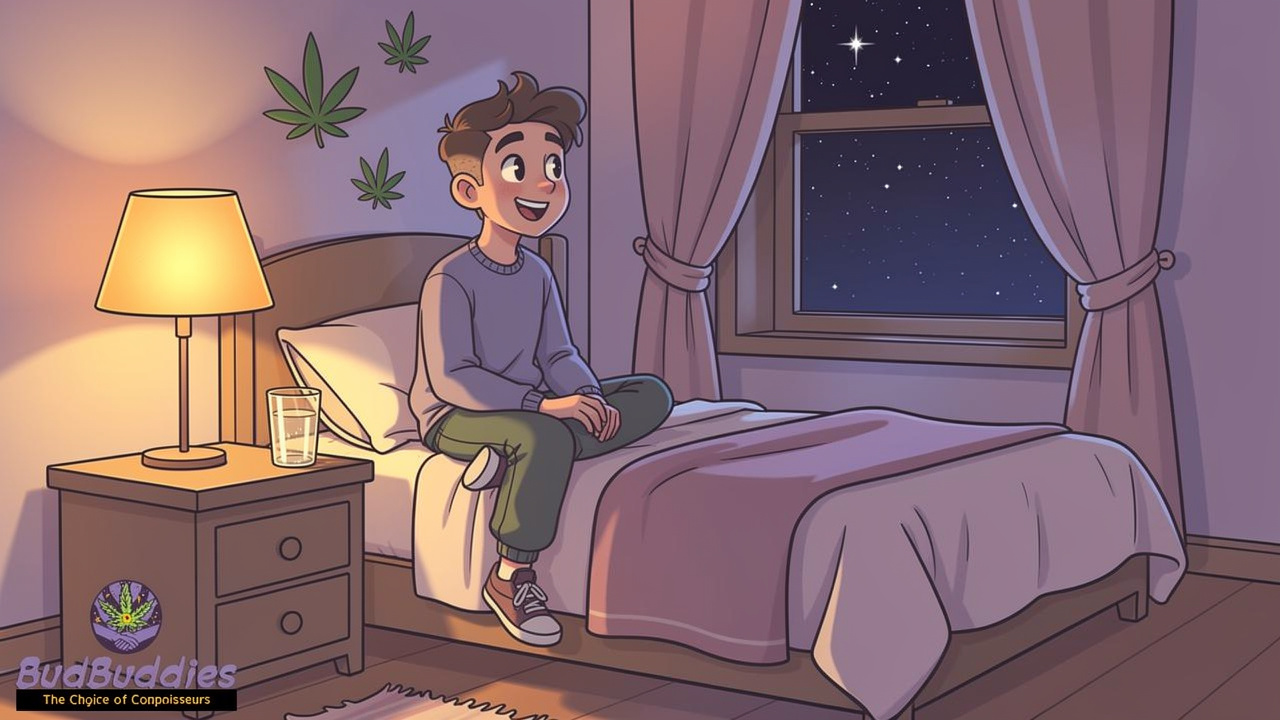
Building a simple routine around cannabis can turn random evenings into something that feels deliberate and supportive. This section pulls the ideas together into a step-by-step structure you can adjust to your needs.
Start by setting a clear stop point for studying — research Exploring postsecondary students’ motivations for cannabis use found that stress relief and relaxation after academic demands were among the most commonly cited reasons students turned to cannabis, underscoring how intentional, structured use differs from impulsive consumption. Close your tabs, put notes away and give yourself at least half an hour of non-screen time. This pause lets your brain start to settle on its own before any THC or CBD arrives.
Next, choose your product based on the night ahead. For a short relaxation window, a small amount of indica or hybrid flower, or a few gentle pulls on a BudBuddies vape, fits well. If you have a whole evening free, a low-dose edible or CBD oil taken earlier gives long, steady relief without constant dosing decisions.
Then, set the scene. Lower the lights, clear a small space, grab water and maybe a light snack.
Sleep Foundation notes that regular wind-down habits are strongly linked with better sleep quality, which is vital for memory after studying.
Pairing cannabis with the same few calming cues each night trains your body to recognise that it is time to change gear.
A simple framework some readers like is:
Finish work, have a short tech break and decide whether tonight calls for THC, CBD or a mix. This moment of choice keeps cannabis as a supportive tool instead of an automatic habit and fits nicely with BudBuddies’ clear product filters and descriptions.
Take your chosen dose, then pick one or two low effort activities, such as listening to music, stretching or watching something light. Sticking to gentle options avoids overstimulation and lets the plant carry you toward sleep instead of back into stress.
BudBuddies backs this approach with lab-tested products, terpene-level detail and live chat support, so you can ask questions and refine your routine over time rather than guessing alone.
The Takeaway
Weed can genuinely help you relax after studying when you match the right strain, dose and format to your evening. THC, CBD and terpenes can soften stress, loosen tight muscles and prepare your body for the sleep that locks learning in.
The difference between a soothing night and an overwhelming one usually comes down to how much you take, what you choose and when you use it. BudBuddies combines clear education, a carefully chosen range and discreet delivery so you can explore calmly and safely. When you are ready, browse budbuddies.cc or reach out on live chat to find a post-study setup that fits the way you live.
Frequently Asked Questions
Question 1: Does weed affect memory consolidation after studying?
Weed can affect memory consolidation if you use THC straight after studying. THC can interfere with how short-term memories move into longer storage. Waiting 30 to 60 minutes before consuming and then focusing on good sleep reduces that impact, especially if you avoid heavy use every night.
Question 2: Is CBD a good alternative if I do not want to get high after studying?
CBD is a strong option if you want calm without a high. It can ease tension and worry while keeping your head clear. BudBuddies offers CBD oils, capsules, gummies and CBD flower with full Certificates of Analysis, so you know exactly what is in each product.
Question 3: How much THC should a beginner take to relax after studying?
Beginners usually do well starting with 2.5 to 5 mg THC in an edible. For vapes or flower, one short inhalation followed by at least ten minutes of waiting is sensible. BudBuddies product pages highlight beginner-friendly doses and repeat the start low, go slow guidance so you can find your level without pushing too far.
Question 4: Will cannabis help me sleep after a long study session?
Cannabis, especially indica-dominant or high Myrcene strains, can help many people fall asleep more quickly. Edibles taken earlier in the evening often provide calm that lasts through the night, particularly when you pair them with a relaxed bedtime routine and a consistent schedule.
Question 5: What is the best cannabis format for discreet use in shared accommodation?
Edibles and vapes tend to be the most discreet formats in shared spaces. They create far less smell than smoking flower and are easy to store in a drawer or bag. BudBuddies sends all orders in plain, smell-proof, unmarked packaging, with no visible branding on the outside, so your delivery stays private from door to doorstep.

