


leafly strain guide
Choosing a cannabis strain without guidance often feels like picking a bottle of wine with no label. You know roughly what you want, relaxed, uplifted, or something in between, but the names alone rarely tell you what you’ll actually feel. A leafly strain guide solves this by breaking each variety down into type, potency, and flavour, so you can predict the experience before you buy. This article walks through how that classification system works, what shapes a strain’s real effects beyond its name, and how to search, compare, and choose confidently.
We’ll also show how BudBuddies applies the same principles, lab-verified potency, clear terpene breakdowns, and goal-based selection, across its own curated range. By the end, you’ll know exactly what questions to ask before picking your next strain.
Key Takeaways
Strains fall into Indica, Sativa, and Hybrid categories, but effects depend on more than the type label alone.
THC and CBD ratios shape potency, while terpenes shape flavour and fine-tune how a strain actually feels.
Strain databases and filters let you search by effect, flavour, or potency instead of scrolling endlessly.
BudBuddies applies double lab verification and clear terpene transparency to every product it sells.
Matching your strain choice to your experience level is the safest way to start exploring.
What Is a Cannabis Strain Guide and Why Does It Matter?
A cannabis strain guide is a reference tool that explains a strain’s genetics, appearance, flavour, and likely effects before you ever try it. Instead of guessing based on a catchy name, you get real context: cannabinoid content, aroma notes, and the type of experience past users reported. This matters because cannabis products vary enormously between cultivars, and two strains that look similar on a shelf can feel completely different once consumed.
For newcomers, a guide removes much of the intimidation that comes with an unfamiliar product range. For experienced consumers, it sharpens decision-making by confirming whether a specific terpene profile or potency band matches what they’re after. Either way, reliable strain information turns a shot in the dark into an informed choice, particularly when you’re comparing potency and flavour across several options at once.
How Are Cannabis Strains Classified? Indica, Sativa and Hybrid Explained
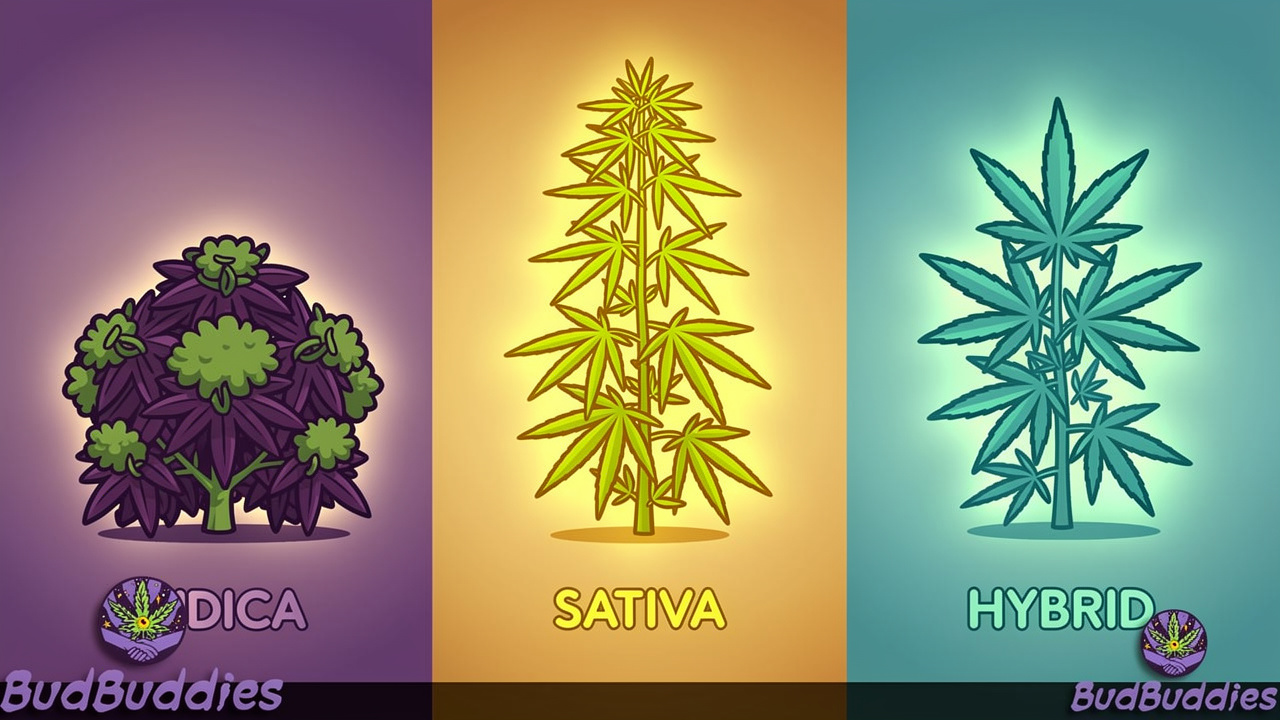
Cannabis strains are traditionally sorted into three broad groups, Indica, Sativa, and Hybrid, based on plant structure and the effects they’re associated with. Indica varieties tend to produce relaxing, body-focused effects and suit evening use, while Sativa varieties lean energising and are often chosen for daytime activities. This three-way split remains the starting point for almost every strain database, including a comprehensive strain library, because it gives shoppers a quick mental shortcut before diving into finer detail.
Hybrid strains blend genetics from both parent types, landing anywhere between the two depending on their lineage. BudBuddies curates examples across all three categories, including:
Gelato a balanced hybrid
Amnesia Haze an uplifting Sativa
Blue Cheese a calming Indica favoured for evening use
Knowing which bucket a strain falls into gives you a useful starting point, even before you look at THC content or terpene profile.
What Do Strain Effects and Flavours Actually Depend On?
Strain effects and flavours ultimately come down to a strain’s full chemical profile, not just its Indica or Sativa label. THC and CBD percentages set the baseline for potency and intoxication, and research on finding your THC:CBD sweet spot shows balanced ratios can outperform THC-dominant or CBD-dominant options for certain effects, while terpenes the aromatic compounds responsible for smell and taste, fine-tune mood, flavour, and physical sensation on top of that. Two strains can share an identical THC reading yet produce noticeably different experiences once you account for compounds like myrcene, limonene, and caryophyllene working alongside the cannabinoids. This combined action is often called the entourage effect, and it explains why relying on a single percentage rarely tells the whole story.
“The diversity of cannabis products today allows consumers to tailor their experience like never before.” — Amanda Reiman, PhD, cannabis policy researcher
BudBuddies publishes full cannabinoid and terpene breakdowns on every product page for exactly this reason, so you can match a strain to how you actually want to feel rather than chasing a headline THC figure. That level of detail helps value-conscious shoppers avoid paying a premium for potency alone when a lower-strength, terpene-rich option might suit them just as well.
How Do Terpene Profiles Shape a Strain’s Character?
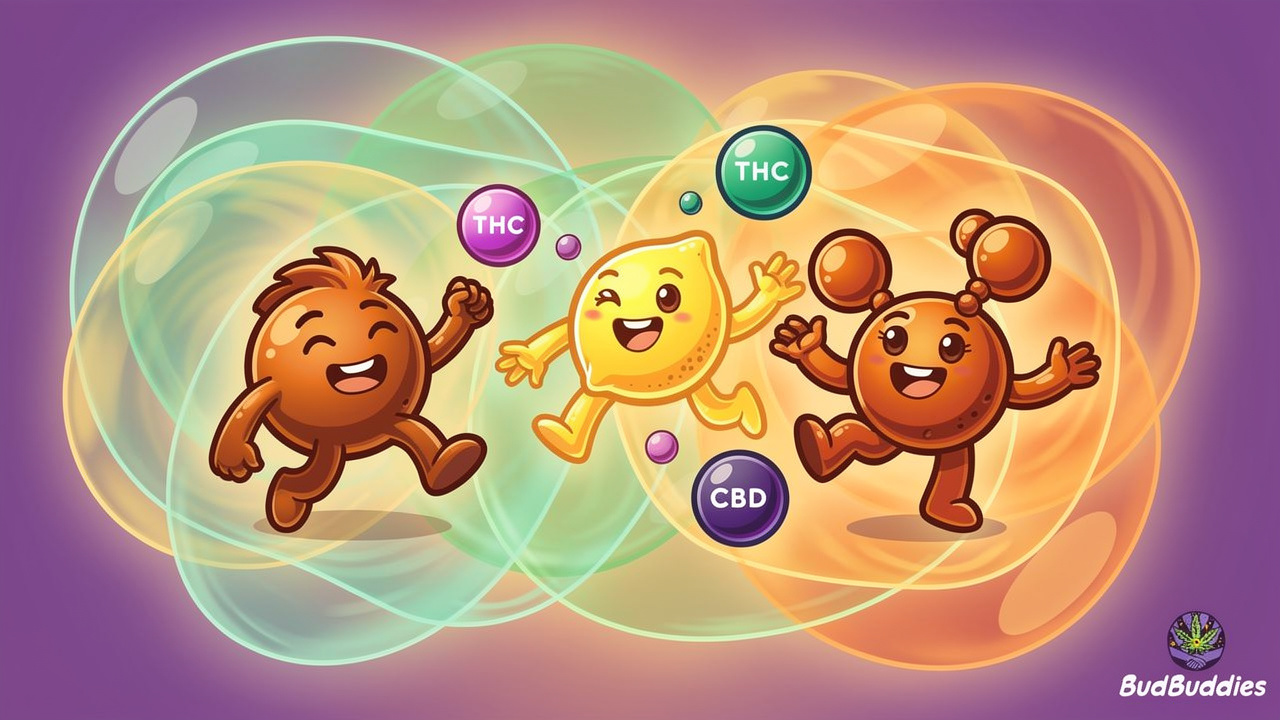
Terpene profiles shape a strain’s character by adding distinct sensory and physical qualities that cannabinoids alone can’t explain. Consider the differences:
Myrcene tends to add body relaxation and a sedating edge
Limonene lifts mood with citrus brightness
Caryophyllene brings warm, spicy or peppery notes to the smoke or vapour
Because of this, two strains with matching THC levels can feel worlds apart depending on which terpenes dominate their profile dominate their profile.
How Do You Search and Compare Strains Like on Leafly?
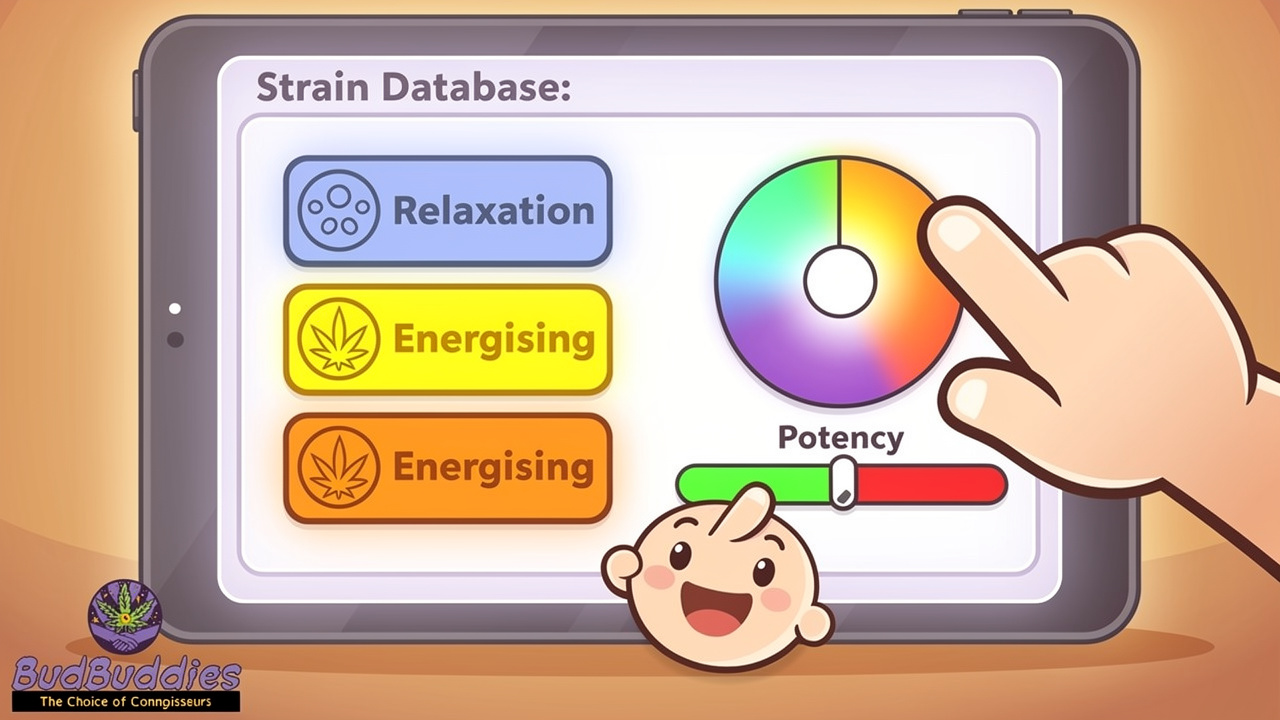
Searching and comparing strains works best when you filter by what you actually want, rather than browsing names alphabetically. Strain databases typically let you narrow results by type, reported effect, flavour family, and potency range, cutting a list of thousands down to a handful of realistic options within a few clicks. This filtered approach saves time and reduces the temptation to pick blind based on packaging or price alone.
BudBuddies offers the same practical filtering on its own site, letting you search by strain type, price bracket, flavour, and desired effect such as relaxing, energising, or balanced. Rather than scrolling an overwhelming catalogue, you can head straight to strains that match your evening plans or your energy needs. This is particularly useful for readers comparing edibles, flower, and vapes side by side, since the filters apply across formats too.
How Do You Choose the Right Strain for Your Experience Level?

Choosing the right strain for your experience level starts with an honest look at how much THC exposure you’re comfortable with. Beginners generally do better with moderate-THC strains, roughly 10 to 18%, that also carry some CBD to soften the overall intensity, with options like Blue Dream or Harlequin offering a gentler introduction. Starting here reduces the chance of an overwhelming first experience and gives you a realistic baseline to compare future choices against.
Experienced consumers chasing stronger effects often move toward higher-potency options such as Stardawg or Gorilla Glue #4, both known for their intensity and heavier resin coverage. Even with tolerance built up over time, the same “start low, go slow” principle still applies, since terpene-heavy strains can hit harder than the THC number alone suggests. Matching potency to your actual tolerance, not just your curiosity, keeps the experience enjoyable rather than uncomfortable.
Why Does Potency Comparison Matter When Choosing a Strain?
Potency comparison matters because a THC figure is only useful if it’s accurate, and mislabelled potency remains a genuine issue across the wider cannabis market. Products tested inconsistently, or not tested at all, can carry percentages that bear little resemblance to what’s actually in the jar. That gap between label and reality makes verified lab data essential, particularly since comparative transcriptomics research on high-THC and high-CBD strains shows genetic differences drive real variation in cannabinoid output between cultivars, so consumers should compare strains fairly or track their own tolerance over time using verified data.
BudBuddies addresses this by double-testing every strain for accurate THC and CBD content, alongside screening for pesticides, mould, and heavy metals on every batch. That means this month’s this month’s Gelato matches last month’s in strength and quality, rather than varying unpredictably between deliveries. Consistency like this is what lets value-conscious shoppers trust a percentage on the page instead of treating it as a rough estimate.
How Does the Consumption Method Change a Strain’s Effects?
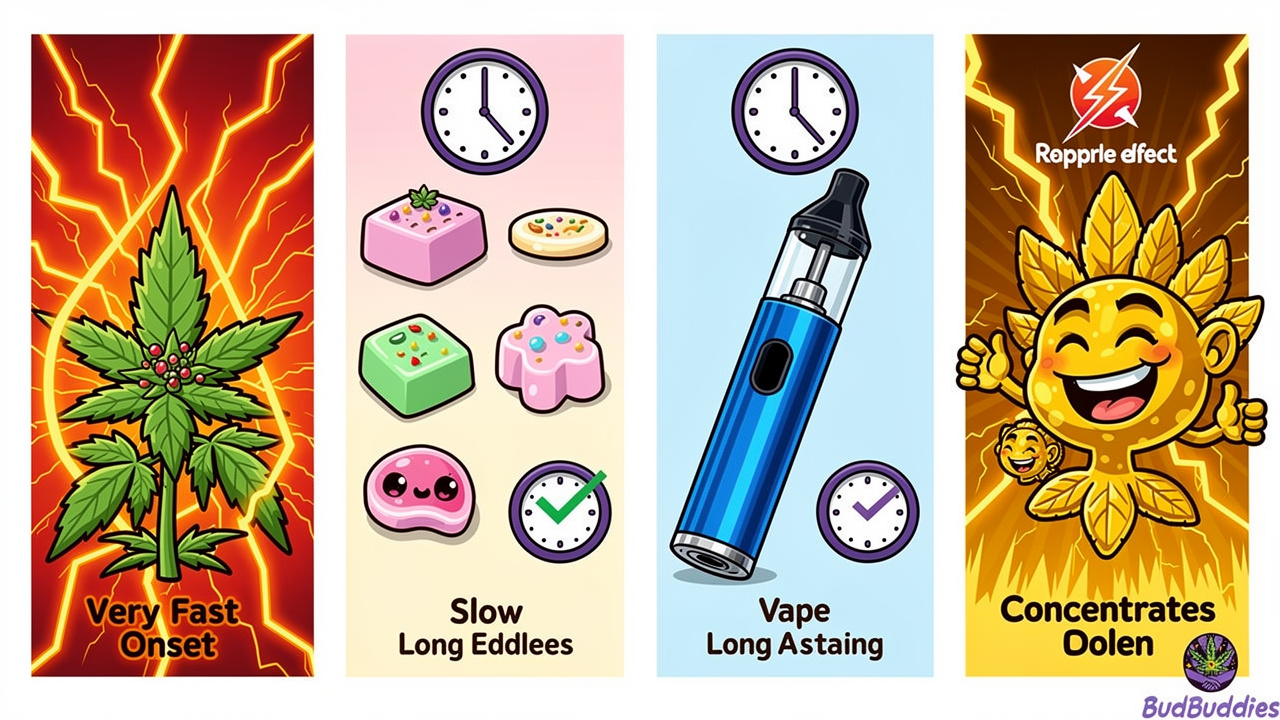
The consumption method changes how quickly a strain’s effects appear and how long they last, sometimes more dramatically than the strain itself. Consider the timing differences across formats:
Flower effects appear almost immediately, typically lasting one to three hours
Edibles take anywhere from 30 minutes to two hours to kick in, but can last four to eight hours once they do
Vapes fast onset within two to five minutes, with easier dose control than smoking flower
Concentrates high potency almost instantly, better suited to experienced users than anyone still learning how a strain affects them
This gap catches out plenty of newcomers, who sometimes assume an edible hasn’t worked and take more before the first dose has even landed. Whichever format you choose, the underlying strain still matters, but the method decides how that strain’s character actually plays out.
The Takeaway
Understanding strain type, cannabinoid ratios, and terpene profiles turns cannabis shopping from a guessing game into a genuinely confident decision. Once you know what Indica, Sativa, and Hybrid actually mean in practice, and how THC, CBD, and terpenes work together, you’re ready to read any strain description with real understanding rather than relying on the name alone.
If you’re ready to put that knowledge to use, the platform’s strain-led range is filtered by effect, flavour, and potency, with double lab-verified quality behind every listing. Whether you’re after an evening wind-down or a daytime lift, that structure makes it far easier to find a strain that actually matches what you’re looking for.
Frequently Asked Questions
What’s the Difference Between a Strain Guide and a Strain Database?
A guide explains the underlying concepts, strain types, strain types, terpenes, and potency, so you understand what you’re looking at. A database, by contrast, lets you search and compare individual strains directly against each other using filters and product data.
Can Two Strains With the Same THC Percentage Feel Different?
Yes, terpene profiles and minor cannabinoids can create noticeably different effects even when THC levels match exactly. This combined interaction is known as the entourage effect, and it’s why relying on THC percentage alone rarely predicts the full experience.
How Do I Know if a Strain Review Is Trustworthy?
Look for reviews tied to lab-tested products with a published Certificate of Analysis, rather than star ratings alone. Verified potency and contaminant screening give the review far more weight than an anonymous comment ever could.
What Strain Type Is Best for Sleep?
Indica strains with myrcene-rich terpene profiles profiles, such as Blue Cheese, are typically favoured for evening relaxation. Their calming, body-focused effects make them a popular choice for winding down before bed.
Is a Higher THC Percentage Always a Stronger High?
Not always, terpene content and CBD balance also shape intensity, so the percentage alone doesn’t tell the full story. A lower-THC strain with a strong terpene profile can sometimes feel more intense than a higher-THC one.
How Can I Find Strains Similar to One I Already Like?
Compare terpene and cannabinoid profiles rather than just the strain name, since two differently named strains can share a near-identical chemical makeup. From there, filter by those same characteristics on the platform to find close matches.

