


Durban Poison Strain: Everything You Need to Know
If you’ve heard cannabis enthusiasts talk about a strain that delivers pure, clear-headed energy rather than a heavy couch-lock feeling, you’ve probably heard the name Durban Poison strain mentioned. This classic sativa has built a reputation over decades, and plenty of people want to know what makes it so different from the hybrids that dominate most menus today. The short answer is genetics: Durban Poison is one of the few true landrace strains still around, meaning it grew up untouched in South Africa long before modern breeding got involved.
This guide covers where Durban Poison comes from, what it tastes and smells like, how strong it really is, and who tends to enjoy it most. We’ll also look at how it compares to other energising sativas and which consumption format might suit your day best. Along the way, we’ll point out where BudBuddies fits into the picture for anyone wanting a lab-verified sativa experience with a similar profile.
By the end, you should have a clear picture of whether this strain matches what you’re after.
Key Takeaways
Durban Poison is a 100% pure sativa landrace strain from Durban, South Africa, unaltered by crossbreeding.
It’s known for energising, clear-headed, uplifting effects rather than sedation or couch-lock.
THC typically sits between 15% and 25%, paired with a sweet, liquorice-like, earthy-citrus flavour.
It suits daytime use best, particularly for creativity, focus, and social situations.
BudBuddies stocks lab-verified sativa strains with a comparable energising profile for anyone keen to explore further.
What Is Durban Poison and Where Does It Come From?
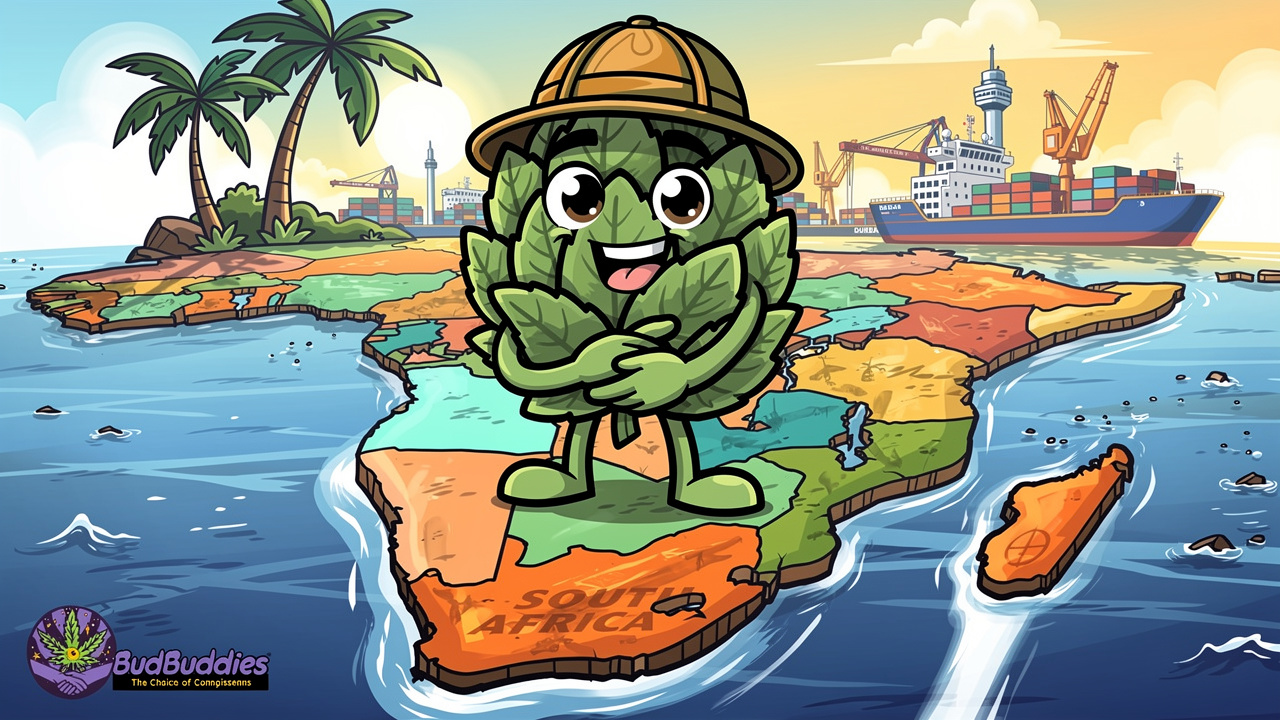
Durban Poison is a 100% pure sativa landrace strain that originates from the port city of Durban in South Africa, and it remains one of the few cannabis varieties never altered through crossbreeding. A landrace simply means the plant developed naturally in one region over many generations, adapting to local weather rather than being shaped by growers picking and mixing genetics. That natural history is exactly why breeders and connoisseurs treat it as something of a benchmark, a reference point for what an unblended sativa actually feels like, a status reinforced by its recognition as an energetic landrace sativa in wider strain reviews.
The strain was brought out of South Africa in the late 1970s by cannabis breeder Ed Rosenthal, who helped introduce it to growers across the West, a migration documented in research on cannabis genetic history in South Africa. From there, it became a foundational parent for countless modern hybrids, including the well-known Girl Scout Cookies. Even today, traces of Durban Poison’s uplifting character and distinctive terpene profile show up in strains that never carry its name.
What Does Durban Poison Taste and Smell Like?
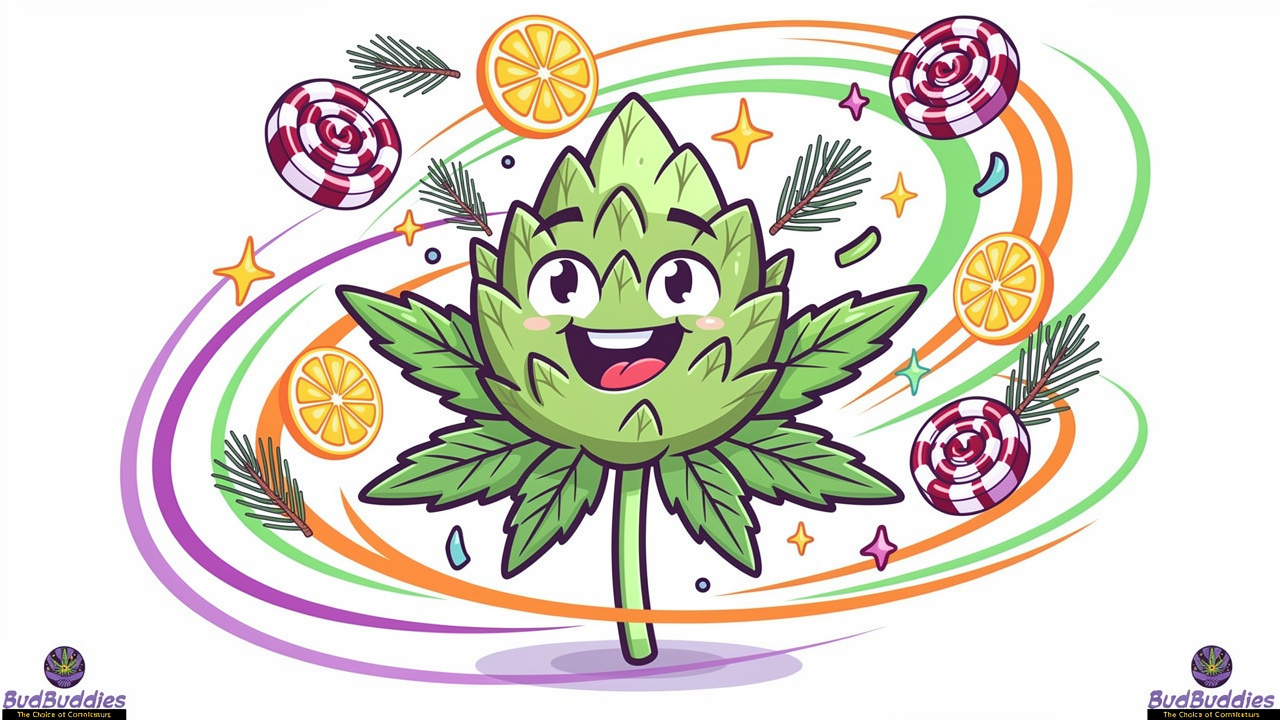
Durban Poison’s aroma is one of its most recognisable features, built around a sweet, earthy base with a distinctive liquorice or aniseed edge that’s hard to mistake for anything else. This spicy, sweet signature comes largely from terpinolene, a terpene less common in most modern strains but increasingly noted in flavor and fragrance industry statistics as a rising natural aroma compound. Underneath that, you’ll often pick up notes of fresh pine and a light citrus brightness, giving the whole profile more depth than a simple “sweet and earthy” description suggests.
When smoked or vaporised, the flavour generally mirrors the smell, delivering that same liquorice-forward sweetness with a peppery, spicy finish on the exhale. If a batch smells faint, musty, or lacks that sharp liquorice-citrus character, it’s usually a sign of poor curing or storage rather than a fault with the genetics themselves. A strong, well-preserved aroma is genuinely one of the easiest ways to judge whether you’re holding a quality batch.
How Strong Is Durban Poison and What Effects Can You Expect?
Durban Poison is a strong, THC-driven strain, with THC levels typically ranging from 15% to 25% and CBD usually sitting below 1%, so the experience leans heavily on THC rather than any balancing effect from CBD. That potency, combined with its pure sativa genetics, produces an energetic, uplifting, and distinctly cerebral high rather than the heavy, body-focused sedation associated with indica strains.
Here’s what most people notice when using it:
A fairly quick onset of happiness and positivity
A noticeable lift in energy and motivation that feels clear-headed rather than jittery
Sharper focus and creativity, useful for tasks needing sustained attention
Increased sociability, with many users feeling more talkative and at ease in group settings
Because the high sits mainly in the head rather than the body, Durban Poison has become something of a go-to choice for functional, productive daytime use, whether that’s work, exercise, or catching up with friends. It’s generally not the strain to reach for if you’re after a purely relaxing, sedating evening, since its stimulating nature works against winding down.
Potential Side Effects to Know About
As with any high-THC strain, Durban Poison can bring on a few common side effects, especially at higher doses:
Dry mouth and dry, irritated eyes, the most frequently reported
A faster heart rate in some users
Anxiety, paranoia, or mild dizziness, particularly in those newer to sativa-dominant strains
Starting with a small amount and building up gradually is the simplest way to keep these effects manageable.
Who Is Durban Poison Best Suited For?
Durban Poison suits people who want a functional, energising experience they can build a daytime routine around. It works well for creative projects, staying focused on tasks, socialising, or simply pushing through an afternoon slump without feeling drowsy or sedated afterwards. Experienced consumers who enjoy strong, classic sativa effects and appreciate landrace genetics tend to get the most out of it, since they already understand how to pace their intake.
That said, it’s less suited to anyone chasing relaxation, sleep support, or a mellow, wind-down evening experience, because its stimulating nature runs in the opposite direction. Newcomers can still try it, but should approach it cautiously given the potency involved, ideally starting with a smaller dose than they might with a milder strain.
How Does Durban Poison Compare to Other Sativa Strains?
Durban Poison stands apart from most sativa-dominant options because it’s an unblended landrace rather than a hybrid built from multiple genetic lines. Strains like Sour Diesel, Jack Herer, and Green Crack share a similar energising, focus-driven character, but each carries its own hybrid influence, which can soften or shift the pure cerebral lift that Durban Poison delivers on its own. That difference matters if you’re specifically after the “original” sativa experience rather than a modern reinterpretation of it.
For anyone comparing options, BudBuddies’ curated sativa range includes strains such as Amnesia Haze, which offers a comparably citrusy, energising profile, and enthusiasts seeking pure landrace genetics can also explore where to buy Durban Poison strain seeds directly for home cultivation comparisons. Having that data side by side makes it far easier to judge how one strain might feel next to another before committing to a purchase.
Which Format Suits You Flower, Vapes, or Edibles?
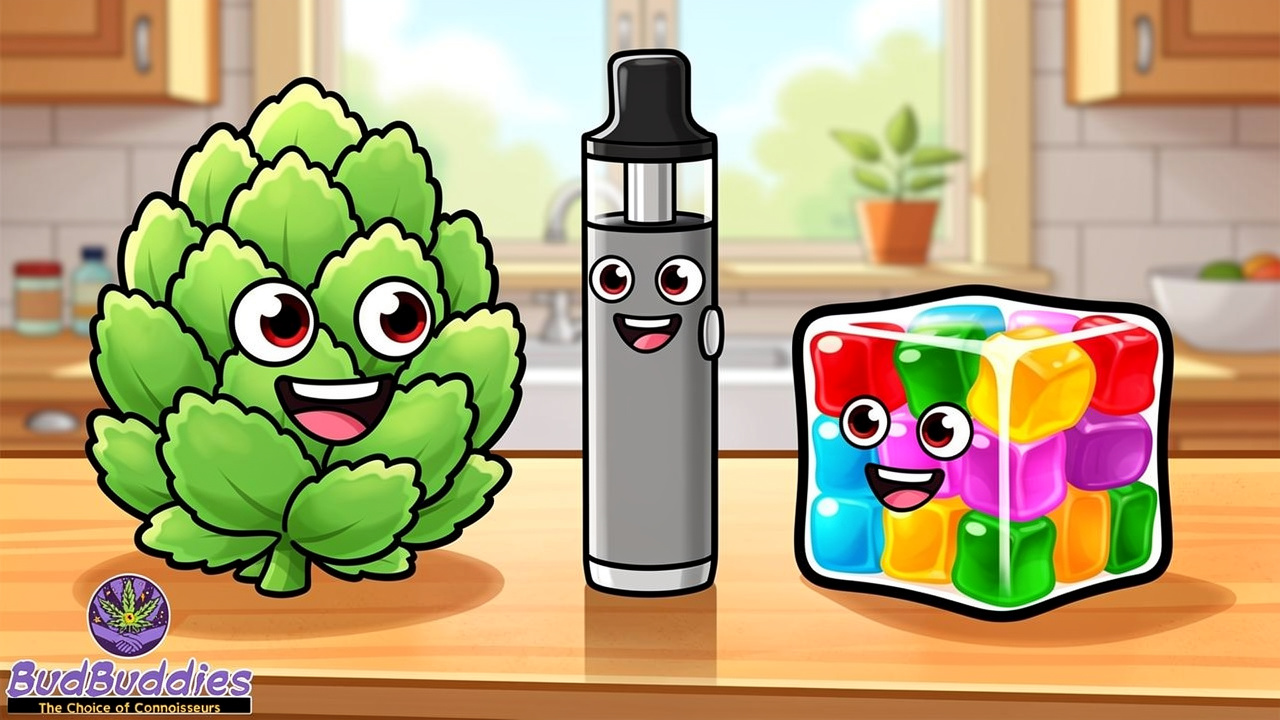
Choosing a format comes down to how quickly you want effects to kick in and how long you want them to last. Dried flower and vape cartridges both offer fast onset, usually within minutes, giving you real-time control over how much you’re consuming and how the effects build. Edibles work differently, taking anywhere from 30 minutes to two hours to kick in because cannabinoids need to pass through digestion first, but the effects last considerably longer once they arrive.
The platform stocks flower, vapes, edibles, concentrates, and CBD alternatives, so you can match the format to your actual day rather than forcing one experience to fit every occasion. If you want something fast and easy to gauge, flower or vape is usually the simpler starting point; if you’d rather avoid smoking altogether and don’t mind a slower build, edibles are worth considering instead.
How Can You Choose a High-Quality Durban Poison-Style Strain?
Quality shows up in a few consistent places, and knowing what to look for saves you from disappointing batches. Lab-verified potency is the foundation, since it confirms the THC and CBD figures on the label actually match what’s in the jar rather than being a rough estimate. Beyond that, generous trichome coverage (the crystalline coating on the buds) and a strong, well-preserved liquorice-citrus aroma are both reliable signs of careful growing and curing.
BudBuddies applies double potency verification through independent lab testing on every strain in its catalogue, paired with careful curing to protect flavour and strength alike. Add discreet packaging and next-day UK delivery, and you get a straightforward way to explore an energising sativa profile without second-guessing what’s actually arriving at your door.
The Takeaway
Durban Poison earns its reputation honestly. It’s a pure sativa landrace strain from South Africa with a genuinely distinctive liquorice, earthy, and citrus flavour, backed by THC levels strong enough to reward a bit of caution, especially for newer consumers. Its energising, clear-headed effects make it a natural fit for daytime creativity, focus, and social situations, though it’s not the strain to reach for if you’re after a relaxing, sleepy evening.
If that profile sounds like what you’re after, BudBuddies’ lab-tested sativa selection is a solid place to start browsing. Comparing terpene and potency data across a few strains is the easiest way to find your own energising daytime match.
Frequently Asked Questions
Is Durban Poison Good for Beginners?
It can work for beginners, but its high THC and very low CBD mean caution is wise. Starting with a smaller dose, or trying a lower-potency format first, helps you gauge your tolerance before working up to a full serving.
Does Durban Poison Help with Focus or Productivity?
Many users report enhanced mental clarity and sharper focus after using it, though individual results vary depending on tolerance and dose. It’s best used during tasks that need alertness rather than as a wind-down before bed.
What Makes Durban Poison Different from a Hybrid Strain?
Durban Poison is a pure, unaltered sativa landrace rather than a cross between indica and sativa genetics like most hybrids. That heritage tends to deliver a purer, more consistent energising effect than blended strains typically offer.
How Long Do the Effects of Durban Poison Last?
Inhaled formats like flower or vape usually last a couple of hours, with effects felt fairly quickly after use. Edibles last much longer, often several hours, because they’re processed through digestion rather than inhalation.
Can You Take Durban Poison in the Evening?
It’s generally better suited to daytime use given how energising it is. Consuming it later in the day may interfere with winding down, so most people find it works best earlier rather than close to bedtime.
What Terpenes Give Durban Poison Its Distinct Smell?
Terpinolene is the dominant terpene, contributing sweet, herbal, and piney notes to the aroma. Myrcene and ocimene add earthy and woody undertones, rounding out the liquorice-citrus character the strain is known for.

