


Why Do Edibles Make Me Paranoid? Causes and Fixes
Introduction
Eating an edible then thinking “why do edibles make me paranoid” is far more common than most people admit.
The high feels different, time stretches, and suddenly every tiny sound feels loaded with meaning.
Paranoia from edibles happens because your body processes THC differently when you eat it, which can overstimulate the brain areas that handle fear and threat. That reaction feels intense, but it is temporary and not a sign that something is permanently broken. In this guide you get clear answers on the science, who is more at risk, how to prevent problems, and what to do when paranoia has already started.
Stay with this page and the whole edible paranoia experience starts to feel a lot more understandable and a lot more manageable.
What Actually Happens In Your Brain When You Eat An Edible
When you eat an edible, your brain responds to THC in a different way compared with smoking or vaping, which explains a lot of the paranoia. Instead of THC going straight from lungs to blood to brain, the long route through the gut and liver changes the chemistry. That single change is the main reason people keep asking “why do edibles make me paranoid” after a strong gummy or brownie.
After you swallow an edible, THC travels through your stomach and small intestine, then into the liver. The liver converts delta‑9 THC into another compound called 11 hydroxy THC. According to the National Institute on Drug Abuse, this oral route produces slower onset yet longer lasting effects than inhaled cannabis, which matches most people’s real life experience.
Once in your bloodstream, THC and 11 hydroxy THC attach to receptors in your endocannabinoid system. Many of those receptors sit in the amygdala, the brain region that scans for threat. When too many receptors in the amygdala are activated at once, neutral details can start to feel unsafe and your body reacts as if danger is close.
That reaction brings classic symptoms:
Your heart rate climbs.
Your chest may feel tight.
Your thoughts can start racing in circles.
Because edibles last several hours, this fear loop has more time to build. If no one has ever explained the biology, it is very easy to assume something is seriously wrong rather than recognising it as a strong yet passing THC effect.
CBD can soften this by changing how THC binds to those receptors. That is why balanced products with CBD often feel calmer than very strong THC‑only edibles, a point BudBuddies keeps in mind when curating its range.
Why 11 Hydroxy THC Hits Differently To Inhaled THC
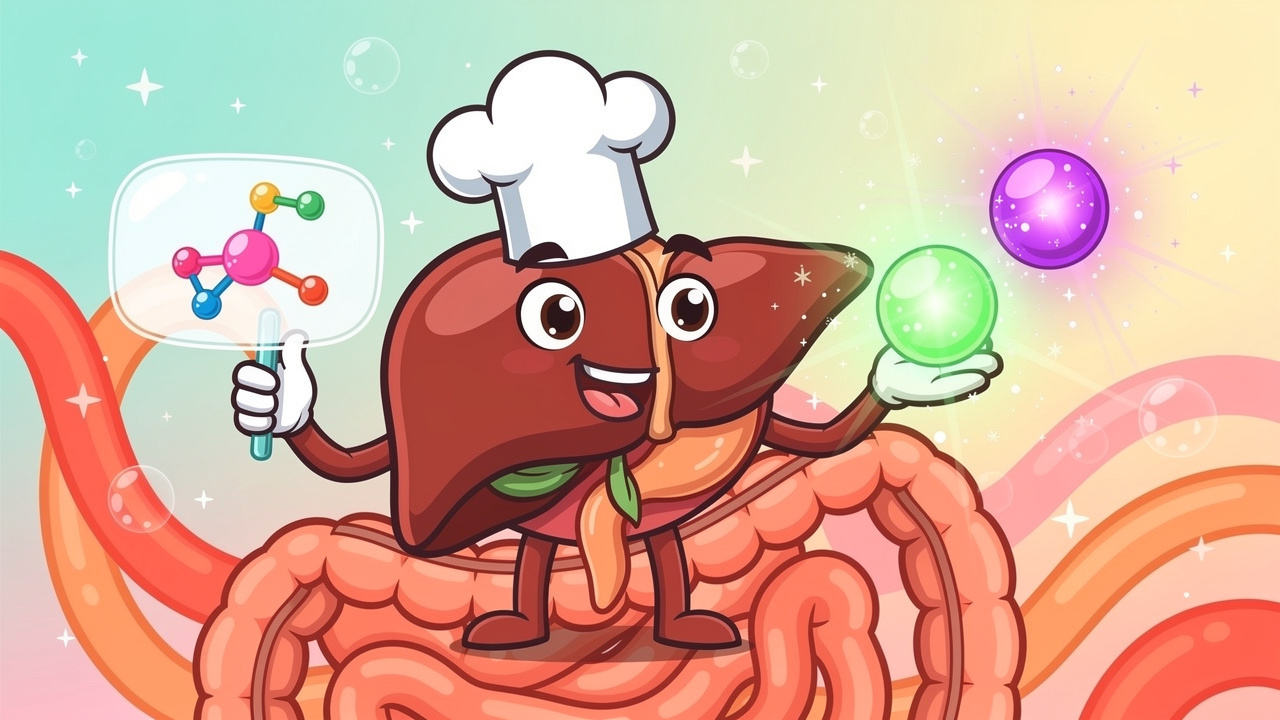
11 hydroxy THC is simply not the same as the THC you inhale in vapour or smoke. The liver turns delta‑9 THC into 11 hydroxy THC, and this version crosses into the brain more easily. That easier access helps explain why a modest looking edible can feel far stronger than a a few puffs on a vape.
Many people describe edibles as more dreamy, more intense, and closer to a mild psychedelic experience. That is the 11 hydroxy THC talking. It tends to feel heavier in the body and more immersive in the mind, which can be lovely at the right dose and setting yet overwhelming when you overshoot. When you are already wondering “why do edibles make me paranoid”, this stronger metabolite is a big part of the answer.
Timing matters as well. Edibles often take 60 to 120 minutes to properly peak, especially if you have eaten recently. This long warm up makes it tempting to think “nothing is happening” and take more. When both doses finally hit together, the 11 hydroxy THC flood can tip the experience from relaxed to panicky in minutes.
Why Edibles Cause More Paranoia Than Other Cannabis Formats
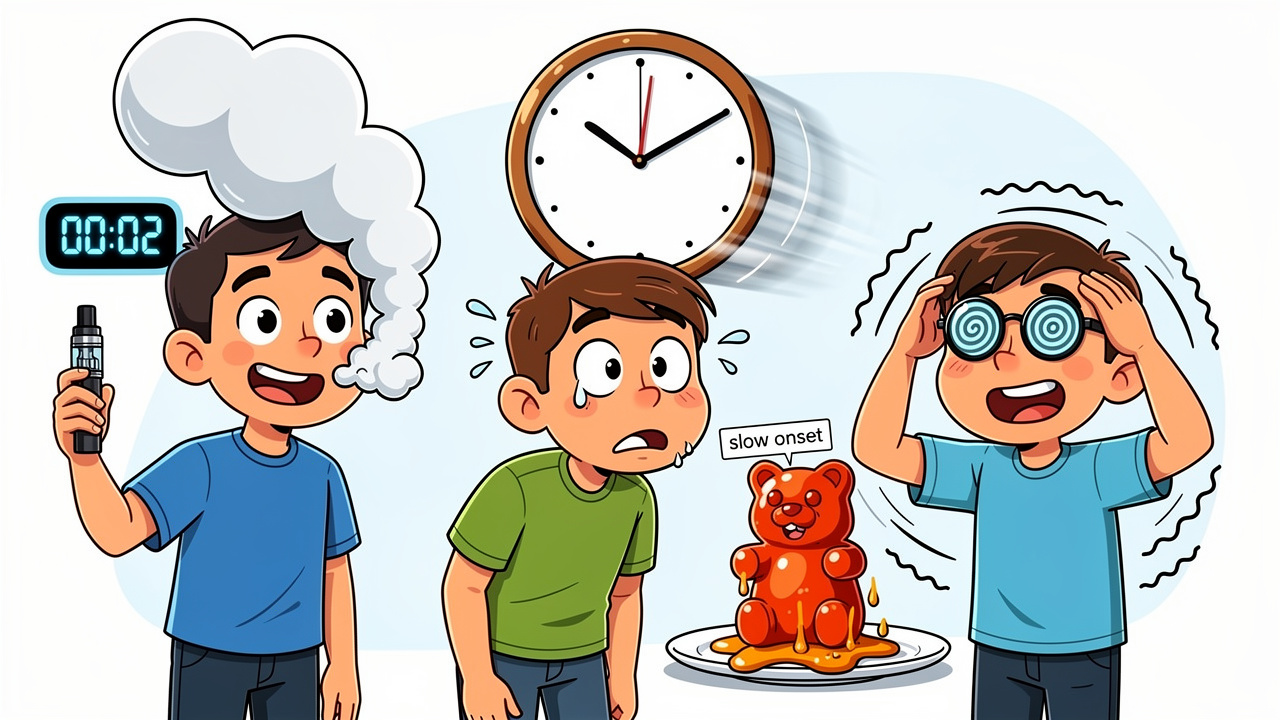
Edibles cause more paranoia than smoking or vaping because the format builds in delay, intensity, and lack of instant control. With a joint or vape you feel the shift within minutes and can pause whenever you like. With edibles, you are committing to several hours with very limited steering once you have swallowed.
The first big factor is delayed onset. According to guidance from the Canadian Centre on Substance Use and Addiction, it can take up to two hours for edible effects to fully show. During that wait, people often reach for another piece, especially if they are used to the quick response from flower. By the time both portions convert to 11 hydroxy THC, the combined effect can feel like far more than planned.
Duration is the next piece. While inhaled effects often fade within two or three hours, edibles commonly last four to eight hours or more. Knowing you are in for the long haul can make any spike of anxiety feel more intense. The mind starts saying “I am stuck like this,” which naturally feeds more panic.
Then there is dosing. With flower or vapes, you can micro‑adjust puff by puff. With edibles, you guess a number, swallow, and wait. If the product is from a random source with unclear labelling, you may not even know how many milligrams you just had — a real danger illustrated by the CDC’s documented case of Tetrahydrocannabinol intoxication from food at a restaurant. That is exactly the gap BudBuddies wants to close with clearly labelled, lab‑tested gummies, brownies, chocolates, and capsules where 5 milligrams genuinely means 5 milligrams.
Here is how those format quirks combine to raise paranoia risk:
Delayed onset makes it very easy to double dose. A person eats one gummy, feels nothing after 45 minutes, then eats another. When both doses peak together, they can feel suddenly overwhelmed, especially if they already tend to ask “why do edibles make me paranoid” after past experiences.
Long duration gives worry much more time to grow. A wobbly five minutes on a vape can be brushed off, but a wobbly hour on edibles feels endless. That stretched time window leaves more room for spirals about health, relationships, and whether other people can tell you are high.
Unclear potency removes the safety net. When you do not know if a brownie contains 5 milligrams or 50, there is no realistic way to plan a smooth evening. By contrast, BudBuddies products come with precise THC and CBD content per serving, which lets you plan the night instead of leaving things to chance.
Who Is More Likely To Feel Paranoid – And Why
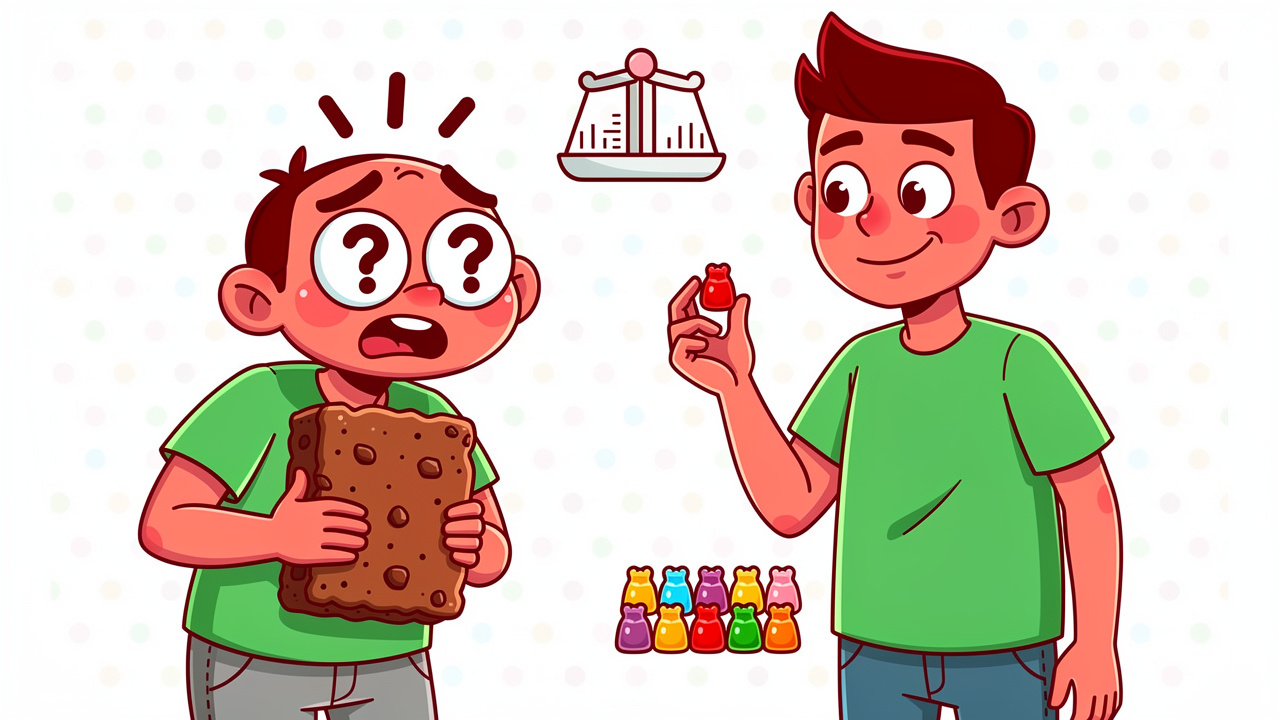
Some people seem to eat the same edible and float through the evening, while others spend hours locked in anxious thoughts. That difference is not about being “good” or “bad” with cannabis. It mostly comes down to biology, mental health history, and the situation you are in when you dose.
Your own mental health story matters a lot. If you live with anxiety, panic, or past trauma, your threat system is already on a hair trigger. THC can amplify that sensitivity rather than soothe it, especially at higher doses. The NHS notes that people who use high strength cannabis regularly are more likely to experience mental health problems, which fits with what many sensitive users report from strong edibles.
Genetics also play a part. Variations in genes that affect cannabinoid receptors or liver enzymes can make someone process THC faster or respond more strongly. If close relatives feel anxious or paranoid from cannabis, you may simply be wired in a similar way. No amount of willpower changes receptor sensitivity.
Tolerance sits on top of that biology. Regular consumers often find their usual vape dose fairly predictable, then discover that the same number in milligrams feels far stronger in an edible. After a break, tolerance can drop quickly. Returning to a previous edible dose after weeks off is a common trigger for that “why do edibles make me paranoid now, when I was fine before” feeling.
Set and setting complete the picture. Using edibles when you are stressed, tired, or already upset is like turning up the volume on feelings that were already loud. Consuming in a noisy party, a crowded bar, or around people you do not fully trust adds more pressure. A calm evening at home, with a cosy sofa and someone you feel safe with, can change the same dose into a far gentler experience.
Put simply, the more of these factors you tick, the more carefully you need to approach THC edibles.
How To Prevent Edible Paranoia – And What To Do If It Strikes

Preventing edible paranoia starts with respecting how strong oral THC can feel and giving it time to work. The simple idea is this: start with a low dose, wait long enough, choose high quality products, and build the right setting around your session. Those steps alone lower the chance that you will end up asking “why do edibles make me paranoid” again.
Public health agencies often repeat one key phrase for cannabis:
“Start low and go slow.”
— Guidance echoed by Health Canada and other public health bodies
For most adults, 2.5 to 5 milligrams of THC is a sensible starting range. According to the National Academies of Sciences, Engineering, and Medicine, clinical studies often use oral THC doses in that low range when exploring effects on mood and pain. BudBuddies reflects this by offering beginner‑friendly edibles from 2.5 milligrams upwards, plus an online dosage calculator on budbuddies.cc to help you personalise your starting point.
Once you take an edible:
Set a timer for at least 90 to 120 minutes and avoid redosing before that window, even if you feel only a light shift.
Skip alcohol, because combining THC with alcohol can raise absorption and make effects feel sharper.
If anxiety is a known issue for you, consider balanced products with both THC and CBD, or take a CBD oil alongside your edible. Research summarised by Frontiers in Psychiatry suggests CBD can reduce some of THC’s anxiety related effects.
Here are practical habits that reduce paranoia risk and also help if it appears:
Prepare your environment first. Choose a familiar, comfortable space like your living room, queue a favourite series or playlist, and have water and light snacks nearby. Feeling physically settled and cosy gives your nervous system less to worry about and makes any wobbles much easier to ride out.
Use your breath as an anchor. If you start to feel panicky, breathe in through your nose for a slow count of four, hold for four, then breathe out for four. Repeat for a few minutes. This simple pattern sends a clear “stand down” message to your body and can noticeably soften a racing heart.
Bring CBD into the mix if you have it. A measured dose of CBD oil or a CBD capsule may take the sharp edge off the high by competing with THC at receptor level. BudBuddies carries a range of CBD products that pair well with edibles, giving you an extra calming tool if sessions ever feel too intense.
Gently distract your mind. Put on a comforting film you know well, shuffle a favourite playlist, or focus on a simple game. Giving your attention something safe and familiar to rest on breaks the loop of scanning for danger and replaying the same worried thoughts.
Most important of all, remind yourself out loud that the feeling is temporary and linked to a substance. Your body is processing THC and 11 hydroxy THC, and as levels fall the anxiety will ease. That reminder may sound simple, yet many people find it cuts the fear at its root.
The Bottom Line On Edibles And Paranoia
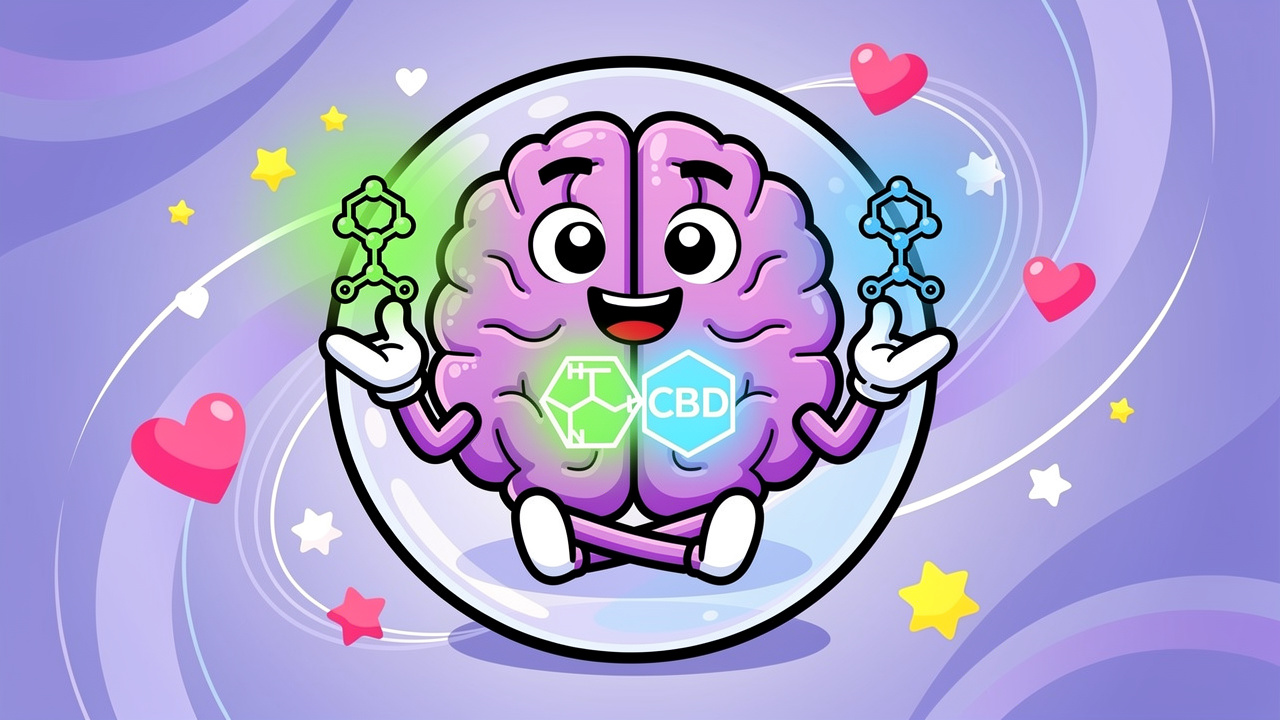
Edible paranoia has a clear explanation. The switch to 11 hydroxy THC plus amygdala overstimulation, the slow onset, and the long duration all add up to a format that can feel intense when dosing goes wrong. Once you understand these pieces, “why do edibles make me paranoid” turns from a scary mystery into something you can plan around.
BudBuddies is built to support that calmer approach, with lab‑tested, clearly labelled edibles, balanced CBD options, and tools like the dosage calculator on budbuddies.cc. With the right products, the right setting, and a low‑and‑slow mindset, edibles can shift from frightening to enjoyable.
Conclusion
Paranoia from edibles is not random and it is rarely about personal weakness. It is a predictable response to strong oral THC in a sensitive brain or a tricky situation. Learn the science, respect the timing, use trusted products such as the BudBuddies range, and set up your space with care. Those small choices give you far more control over how every future edible session feels.
Frequently Asked Questions
Question 1: How Long Does Edible Paranoia Last?
Edible paranoia usually lasts as long as the main effects, often four to eight hours. It often feels strongest around two to three hours after eating. The intensity then fades as your body breaks down THC and 11 hydroxy THC.
Question 2: Can CBD Help With Edible Induced Paranoia?
Yes, CBD can help with edible induced paranoia for many people. CBD changes how THC interacts with receptors and has calming properties of its own. A measured dose of CBD oil or capsules may ease the edge of a strong high. BudBuddies offers CBD products chosen with this kind of pairing in mind.
Question 3: Why Did I Feel Fine With Edibles Before But Paranoid This Time?
Feeling fine before but paranoid now usually points to changes in dose, tolerance, or mindset. A break from cannabis can lower tolerance, so an old dose suddenly feels far stronger. Being more stressed, tired, or uncomfortable with your surroundings can also turn a previously pleasant level into something anxious.
Question 4: Are Some People Genetically More Likely To Feel Paranoid From Edibles?
Yes, some people are genetically more likely to feel paranoid from edibles. Differences in liver enzymes and cannabinoid receptors make THC and 11 hydroxy THC hit harder for certain individuals. A family history of anxiety, panic, or cannabis sensitivity is a useful sign that extra care with dosing is wise.
Question 5: What Is The Safest Starting Dose For Edibles?
For most newcomers, 2.5 to 5 milligrams of THC is a sensible and cautious starting range. Begin at the lower end, wait at least 90 to 120 minutes, then only increase slowly on another day. BudBuddies offers clearly labelled low dose options and an online dosage calculator to help you plan with confidence.


