


how to mitigate cannabis paranoia
Cannabis paranoia happens when THC overstimulates your brain’s fear centre, and it usually fades within a few hours as the effects wear off. It feels alarming in the moment, but it is not a sign that something has gone permanently wrong, and it is not a mental breakdown. Learning how to mitigate cannabis paranoia starts with understanding why it happens, then having a few reliable techniques ready for the moment it strikes.
This guide walks through the mechanics behind cannabis-induced paranoia, the immediate steps that calm an active episode, and the longer-term choices that stop it happening again. We’ll also look at how smarter product choices, like the lab-tested, precisely dosed range at BudBuddies, can make future sessions calmer and more predictable. By the end, you should feel confident about both handling an episode and preventing the next one.
Key Takeaways
Paranoia is dose-dependent and linked to how THC affects the amygdala, your brain’s built-in alarm system.
Slow breathing and grounding techniques calm an active episode within minutes.
Lower-THC, higher-CBD products meaningfully reduce future paranoia risk.
Your environment and dosage matter just as much as the strain you choose.
Persistent or severe symptoms deserve a conversation with a GP or mental health professional.
Why Does Cannabis Cause Paranoia?
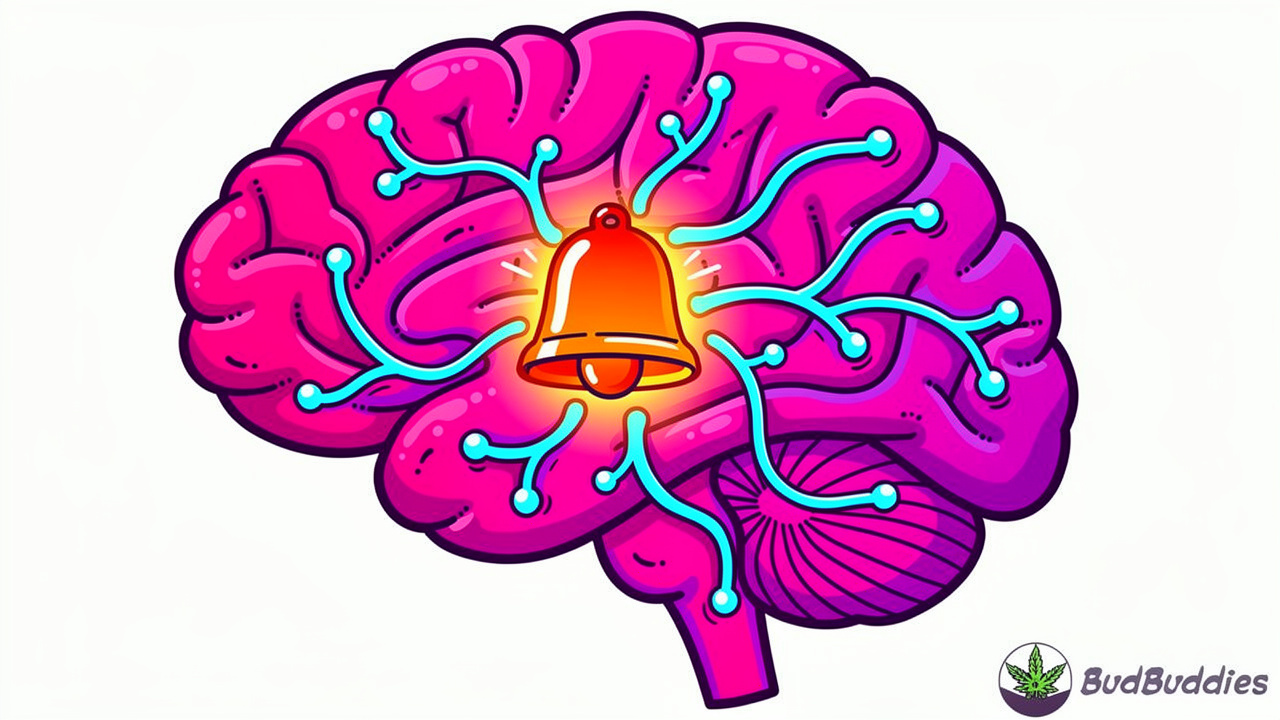
Cannabis causes paranoia mainly because THC overstimulates the amygdala, the part of your brain that acts as an alarm system for danger. At low doses, THC tends to calm this alarm system down, which is why a small amount can leave you feeling relaxed rather than anxious. Push past your personal threshold, though, and the same chemical flips into the opposite effect, pushing the amygdala into a kind of high alert where ordinary situations start to feel threatening, a shift documented in laboratory research examining acute cannabis effects on stress-related outcomes. Research from the University of Illinois at Chicago found that doses around 7.5mg of THC tend to ease stress, whilst doses of 12.5mg and above are far more likely to trigger anxiety and paranoid thinking. This dose-response pattern explains why the exact same person, using the exact same strain, can feel totally fine one week and unsettled the next, simply because the amount, the setting, or their mood on the day was different.
Who Is Most at Risk of Paranoid Reactions?
People are more likely to experience paranoid reactions when they consume high-potency THC, have a lower tolerance, already feel anxious, or use cannabis during a stressful period. Genetics play a real part too, since some people process THC very differently from others, in the same way some people can drink coffee at 9pm and sleep fine whilst others feel jittery from half a cup. Age matters as well, with those under 25 facing a somewhat higher risk because their brains are still developing.
A personal or family history of anxiety, psychiatric conditions, or a previous bad cannabis experience also raises the odds of a paranoid reaction. None of this means these groups should avoid cannabis entirely, but it does mean being extra careful with extra careful with dosage, strain choice, and setting pays off.
How to Calm a Cannabis Paranoia Episode Right Now
If paranoia hits mid-session, the fastest relief comes from combining slow breathing, sensory grounding, a change of scenery, and reassurance that the feeling is temporary. The good news is that none of these techniques need special equipment or training, and most people notice a difference within a few minutes of starting them. cannabis-induced anxiety symptoms tends to peak and then fade, so the goal isn’t to fight it head-on but to give your nervous system a chance to settle back down. The following sections break the process into three practical pieces:
Breathing and grounding
Changing your surroundings
Reminding yourself what’s actually happening in your brain
Try Grounding and Breathing Techniques
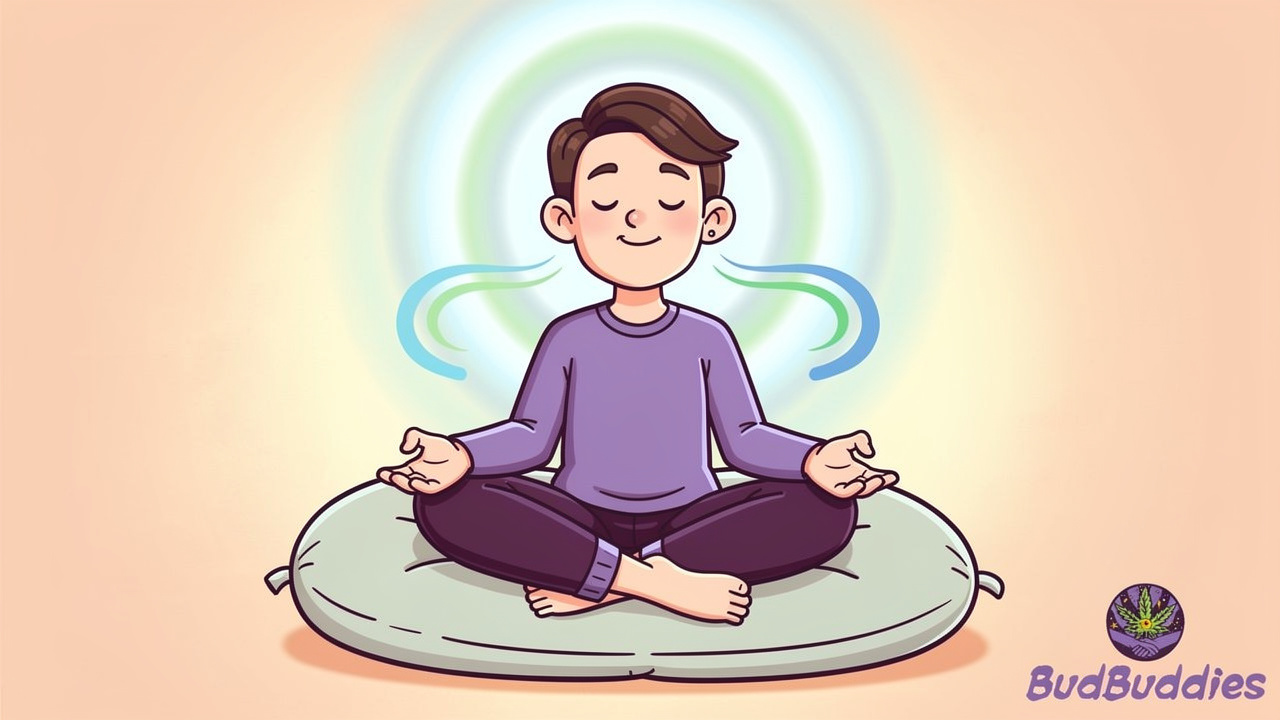
Slow, controlled breathing switches on your parasympathetic nervous system, which is the part of your body responsible for cannabis and meditation. A simple method is to breathe in for 4 counts, hold for 4 counts, then breathe out for 4 counts, repeating this cycle for a minute or two until your heart rate settles. It sounds almost too basic to work, but it directly counters the overactive alarm signal coming from your amygdala.
Alongside breathing, the 5-4-3-2-1 grounding method works well because it forces your attention onto real, verifiable things around you rather than paranoid thoughts:
Five things you can see
Four things you can touch
Three things you can hear
Two things you can smell
One thing you can taste
This shifts your focus away from “what if” thinking and back into the present moment, which is usually enough to break the cycle.
Change Your Surroundings and Reach Out for Support
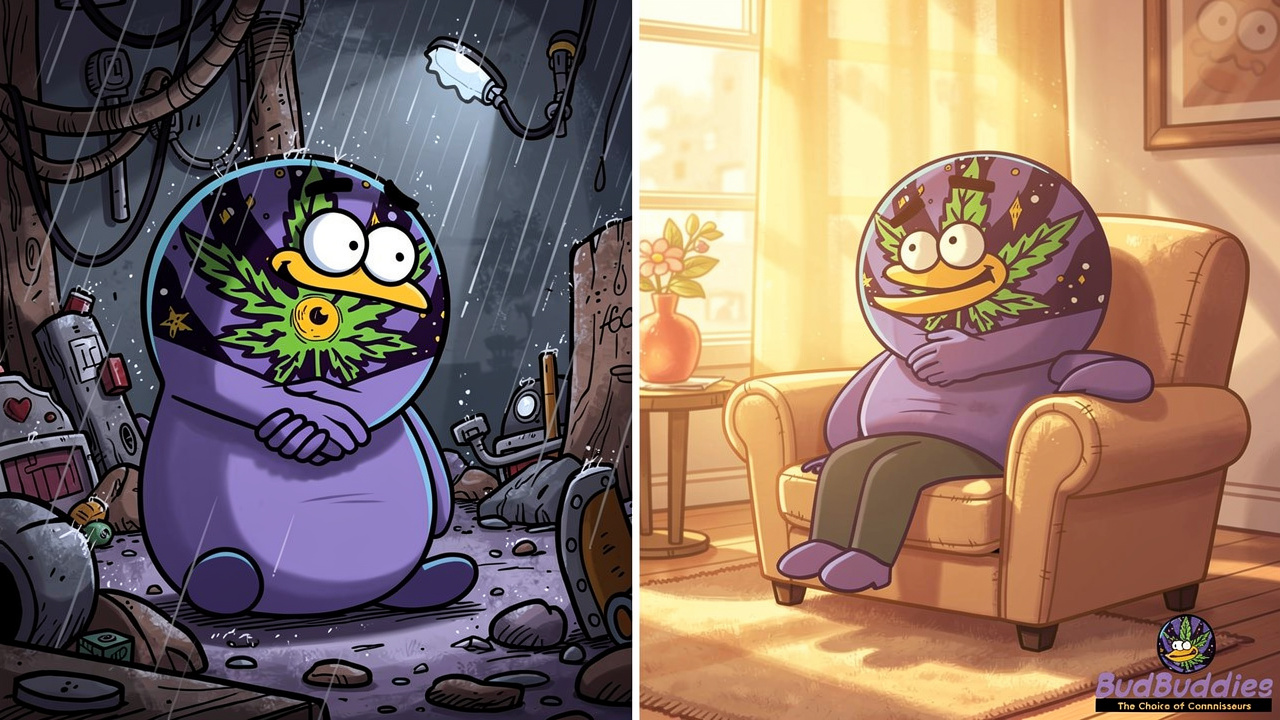
Moving to a calm, familiar space, ideally somewhere you already feel safe, can reset your mood surprisingly fast when paranoia takes hold. A change of scenery interrupts the spiral of anxious thoughts simply by giving your brain something different to process. If you can, get in touch with a friend or family member who can sit with you until things settle, since a calm, trusted presence provides real comfort during an episode. Their reassurance, combined with your own grounding efforts, usually shortens how long the paranoia lasts.
Remind Yourself: It’s Temporary
Telling yourself plainly that this is THC talking, not reality, genuinely helps take the edge off a paranoid episode. A useful script is something like “this feeling is chemical, it isn’t based on anything real, and it will pass as the cannabis wears off.” Repeating this, even out loud, gives your thinking brain something solid to hold onto whilst the emotional alarm system calms back down.
How to Prevent Cannabis Paranoia Before It Starts
Preventing cannabis paranoia mostly comes down to controlling your dose, choosing the right cannabinoid ratio, and setting up your environment properly before you consume anything. These three levers matter far more than which specific strain name is on the label, and together they explain most of the difference between a smooth, enjoyable session and one that tips into anxiety. Because paranoia is so closely tied to how much THC and how prepared your surroundings are, small adjustments made in advance often prevent the problem entirely rather than leaving you managing it after the fact.
Start Low and Go Slow With Your Dose
Doses above roughly 12.5mg of THC sharply raise the odds of a paranoid reaction, according to the dose-response research mentioned earlier, so keeping your intake modest is the single most reliable prevention strategy. BudBuddies’ precisely dosed edibles, ranging from 2.5mg to 10mg of THC per piece, take the guesswork out of this by letting you control exactly how much you’re taking rather than estimating from a shared batch. microdosing weed benefits and waiting to see how you feel before taking more is a simple habit that prevents most overconsumption-related paranoia before it begins.
Choose High-CBD, Low-THC Strains and Products
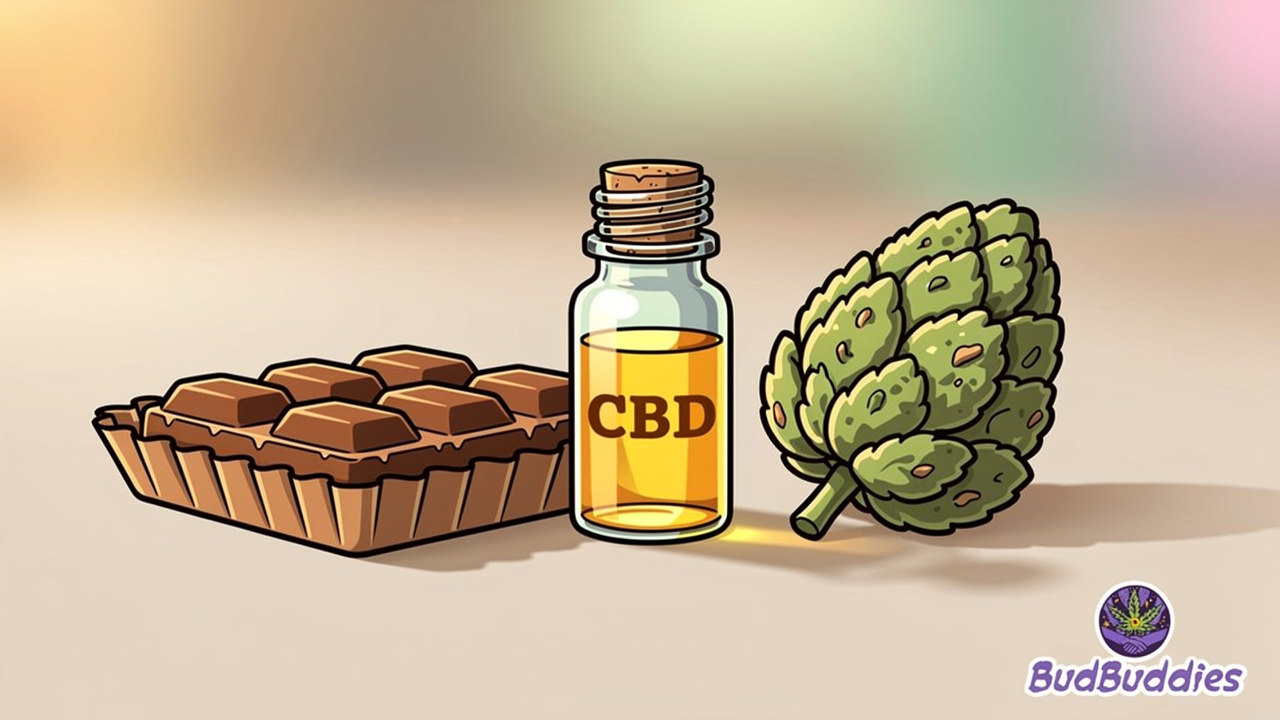
CBD appears to soften some of THC’s psychoactive effects through what’s known as the entourage effect explained, where cannabinoids and terpenes work together rather than in isolation. This is why products with a high CBD low THC strains tend to feel calmer and more predictable than THC-dominant options, even at similar total potency. The brand offers strains such as ACDC (with a CBD-to-THC ratio as high as 20:1), Master Kush, and Cannatonic, all recommended for anxiety-prone users seeking a calmer session, alongside a wider CBD flower, oil, and vape pen range for non-intoxicating options.
Choosing lab-tested products also removes a hidden source of risk, since inconsistent potency between batches is one of the quieter causes of accidental overconsumption. When cannabinoid ratios are verified and clearly listed, you know what you’re actually taking rather than hoping the label is accurate, which matters enormously if paranoia is something you’re trying to avoid.
Set Your Environment Before You Consume
Using cannabis in a familiar, low-stress setting with people you trust dramatically lowers the odds of a paranoid reaction compared with unfamiliar or high-pressure environments. Preparing your space in advance, rather than figuring it out mid-session, gives your brain fewer surprises to react to. discreet unmarked packaging plays a small but genuine part here too, since it removes any privacy-related worry before you’ve even opened your order, letting you settle in without that background stress.
Does Your Consumption Method Affect Paranoia Risk?
Yes, how you consume cannabis meaningfully changes your paranoia risk, mainly because of how quickly the effects come on. edibles take longer, often 60 to 90 minutes or more, which means people sometimes assume the first dose “didn’t work” and take more before the original amount has fully hit, leading to an unintentionally large total dose and a much higher chance of anxiety or paranoia. smoking vs vaping cannabis, by contrast, produces effects within minutes, giving you far better real-time control since you can simply stop once you feel the effects you want.
Neither method is inherently better for everyone, but if you’re prone to paranoia, faster-onset methods make it easier to titrate your dose in the moment, a pattern also seen in longitudinal comparisons of anxiety reduction between flower and edible products. If edibles are your preference, patience is everything, waiting the full window before deciding whether another dose is needed protects you from the redosing trap that catches so many people out.
When Should You Get Professional Help for Paranoia?

You should consider speaking with a GP or mental health professional if paranoid thoughts continue after the cannabis has clearly worn off, or if episodes are happening frequently and intensely. Occasional, mild paranoia that fades within a couple of hours is common and usually manageable with the techniques covered above. But if you notice the feeling lingering into the next day, worsening over repeated sessions, or interfering with daily life, that pattern is worth discussing with someone qualified rather than managing alone indefinitely.
This is particularly true for anyone with a personal or family history of anxiety disorders or psychiatric conditions, where cannabis can sometimes act as a trigger rather than a relief. A GP can help distinguish between a passing reaction and something that needs more structured support, and there’s no downside to asking the question early.
The Takeaway
Cannabis paranoia is uncomfortable, but it’s genuinely manageable once you understand where it comes from and what actually helps. Breathing techniques, grounding exercises, and a calm environment handle the moment it happens, whilst dosage control and smarter product choices stop it happening as often in the first place.
BudBuddies’ lab-tested, clearly dosed, and discreetly delivered range exists precisely to make that second part easier, giving you accurate cannabinoid information so you’re never guessing what you’re actually consuming.
If calmer, more predictable sessions sound appealing, exploring the platform’s CBD and low-THC options is a sensible place to start your next order.
Frequently Asked Questions
Can CBD Completely Stop Cannabis Paranoia?
No, CBD reduces paranoia risk but doesn’t eliminate it entirely, since individual sensitivity and dose still matter. It works best as one part of a wider approach, paired with sensible dosage control, rather than treated as a standalone fix for anxious reactions.
Why Do I Get Paranoid on Some Strains but Not Others?
Terpene profiles, such as myrcene and linalool, along with the specific cannabinoid ratio, influence calming versus stimulating effects more than the traditional indica or sativa label does, one of several evidence-based strategies to prevent cannabis-induced paranoia. The brand’s terpene-profiled flower makes it easier to choose strains suited to a calmer, lower-anxiety session.
Does Tolerance Change How Likely I Am to Feel Paranoid?
Yes, rising tolerance often pushes people towards higher doses without realising it, which increases paranoia risk over time. Keeping a simple journal of strains, doses, and how you felt afterwards helps you track your personal threshold accurately.
How Long Does Cannabis-Induced Paranoia Usually Last?
Cannabis-induced paranoia typically fades within a few hours as THC’s effects wear off, though this varies from person to person. Duration depends on the dose taken, the method used, and your individual metabolism.
Can Mixing Cannabis With Alcohol Make Paranoia Worse?
Yes, combining cannabis with alcohol can unpredictably amplify anxiety and paranoia, since the two substances interact in ways that are hard to anticipate. The simplest advice is to avoid mixing them, particularly if you already know you’re prone to anxious reactions.
Is Cannabis Paranoia the Same as a Panic Attack?
Not quite, though the two share overlapping symptoms like a racing heart and a sense of dread. Cannabis paranoia centres specifically on suspicion or feeling threatened, whilst a panic attack is a broader spike of anxiety that can happen with or without any perceived threat.


