


Weed and Mental Health Research on Cannabis Effects
Have you ever wondered why some people seem perfectly fine after using cannabis while others struggle with mental health issues? The latest weed and mental health research 2025 is finally shedding light on this puzzle, revealing that cannabis effects aren’t black and white. Recent studies show that factors like product strength, how often you use it, and your personal genetics all play important roles in determining the outcome.
This research is particularly relevant for people in the UK, where cannabis mental health uk continues to spark debate among policymakers, healthcare professionals, and users themselves. Scientists are moving beyond simple “good versus bad” narratives to explore the nuanced relationship between cannabis and mental wellbeing. These findings challenge long-held assumptions while highlighting genuine concerns that deserve attention.
The evidence emerging from laboratories and clinical studies worldwide paints a complex picture. While some research points to potential risks, particularly with high-potency products, other studies are debunking myths that have persisted for decades. Understanding these discoveries can help you make better-informed decisions about cannabis use and its potential impact on mental health.
Key Takeaways
- High-potency cannabis products show clear connection to increased mental health risks such as psychosis and depression, with THC concentrations above certain thresholds significantly increasing the likelihood of experiencing adverse mental health effects
- Young people face heightened vulnerability to cannabis-related mental health impacts, with longitudinal studies demonstrating that cannabis use during adolescence correlates with higher rates of depression, anxiety, and suicidal ideation in early adulthood
- Scientific evidence challenges the “lazy stoner” stereotype that has dominated popular culture for decades, with Cambridge researchers finding no significant differences in motivation or reward processing between regular cannabis users and non-users
- Individual factors such as genetic makeup, brain development, and environmental circumstances significantly influence how cannabis affects mental health, meaning two people using identical cannabis products may experience completely different outcomes
- Reliable, evidence-based information becomes increasingly important as research continues to evolve, with the combination of scientific data and practical guidance helping people navigate a field often clouded by misconceptions
“The days of thinking about cannabis as simply ‘good’ or ‘bad’ are over. We now understand that the devil is in the details – potency, frequency of use, and individual genetics all matter enormously.” – Dr. Amir Englund, King’s College London
The Complex Link Between Cannabis and Mental Health

Cannabis contains over 100 different compounds, but two stand out when discussing mental health effects. THC is the component responsible for the “high” feeling and most of the potential risks researchers have identified. CBD, on the other hand, shows promise for therapeutic benefits and may actually help counteract some of THC’s negative effects when present in adequate amounts.
Recent latest weed research consistently shows associations between frequent high-potency cannabis use and increased rates of mental health conditions. Studies have found higher rates of psychosis, depression, and anxiety disorders among heavy users compared to non-users. However, these relationships aren’t straightforward cause-and-effect scenarios.
Individual vulnerability plays a massive role in determining outcomes. Your genetic makeup, family history of mental health conditions, and current life circumstances all influence how cannabis might affect you. Environmental factors like stress levels, social support, and access to mental healthcare also contribute to the overall picture.
The timing of cannabis use matters enormously. Using cannabis during periods of high stress or when you’re already struggling with mental health issues can potentially worsen symptoms. Conversely, some people report that cannabis helps them manage anxiety or depression symptoms, though this requires careful consideration of dosage and product selection.
Adolescent Vulnerability and Long-Term Impact

The teenage brain undergoes significant development that continues into the early twenties. This ongoing development makes adolescents particularly vulnerable to substances that can interfere with normal brain maturation processes. Cannabis use during these formative years has been linked to lasting changes in brain structure and function.
Neuroimaging studies reveal that adolescent cannabis users show differences in brain regions responsible for executive function, memory formation, and emotional regulation. These changes may contribute to academic difficulties, increased impulsivity, and challenges managing emotions effectively. The effects appear to be dose-dependent, meaning heavier use correlates with more pronounced changes.
“The adolescent brain is like a construction site – it’s particularly vulnerable to substances that can interfere with the building process. What we’re seeing is that cannabis use during this critical period can have lasting consequences.” – Dr. Staci Gruber, Harvard Medical School
Longitudinal research following young people over many years provides stronger evidence of long-term consequences. Studies tracking participants from adolescence into adulthood show that early cannabis use correlates with higher rates of depression, anxiety, and suicidal thoughts later in life. These findings suggest that delaying cannabis use until brain development is complete may significantly reduce potential risks.
The age at which someone first tries cannabis appears to matter more than previously understood. Research indicates that each year of delay in first use during adolescence corresponds to reduced risk of developing cannabis-related problems later. This finding has important implications for prevention and education programs targeting young people.
High Potency Cannabis: Understanding the Increased Risks
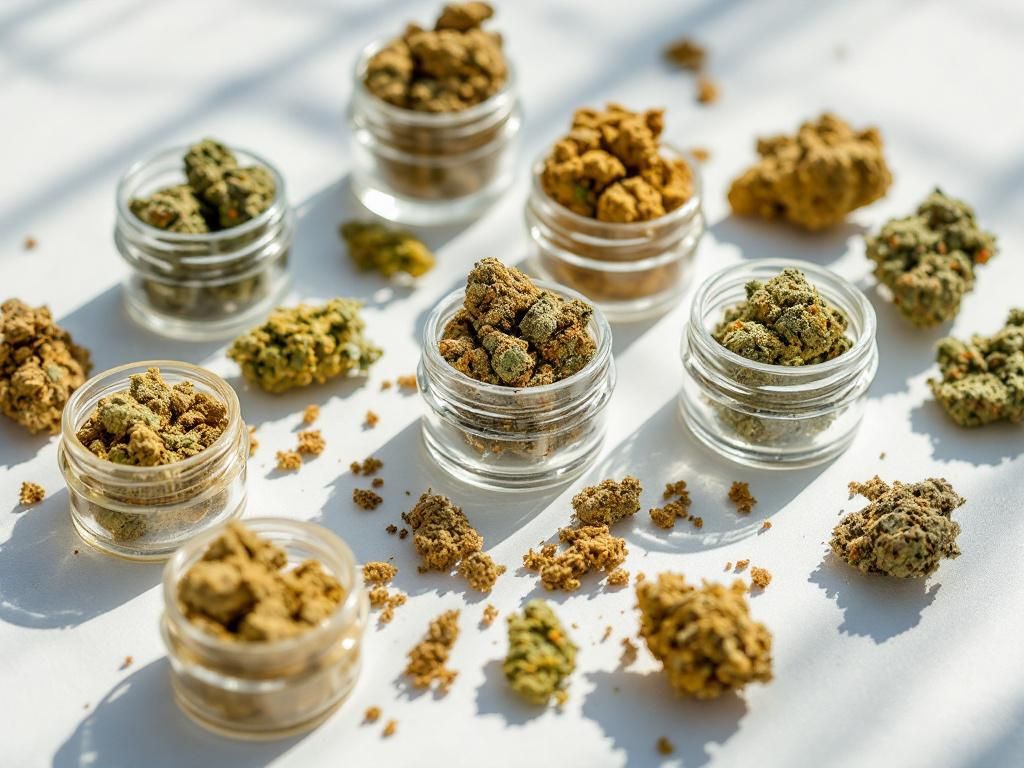
Cannabis products available today are dramatically different from those available decades ago. Modern cultivation techniques and selective breeding have produced strains with THC concentrations exceeding 20% or even 30%, compared to the 3-5% typical of cannabis from the 1970s and 1980s.
High-potency cannabis, generally defined as containing more than 10% THC, carries substantially different risk profiles than lower-potency alternatives. Weed and mental health research 2025 demonstrates that these concentrated products increase risks of both addiction and psychosis. The relationship appears to be dose-dependent, with higher concentrations correlating with greater risks.
Scientists have discovered fascinating molecular changes associated with high-potency cannabis use. DNA methylation patterns differ in regular users of high-potency products compared to non-users or occasional users. These epigenetic changes may help explain why some individuals develop problems while others don’t, potentially serving as early warning signs for those at higher risk when examining cognitive effects cannabis.
| THC Concentration | Risk Level | Typical Products | Key Findings |
|---|---|---|---|
| 3-5% | Low | Historical cannabis (1970s-80s) | Minimal documented risks |
| 10-15% | Moderate | Modern mid-strength strains | Increased caution advised |
| 20-30%+ | High | High-potency concentrates | Significantly increased risks of addiction and psychosis |
The ratio between THC and CBD within cannabis products may be just as important as overall potency. Products with balanced ratios or higher CBD content appear to carry lower risks than those dominated by THC. This finding suggests that the cannabis industry’s focus on maximum THC levels may be misguided from a public health perspective.
Challenging Stereotypes: Motivation and Reward Processing

Popular culture has long portrayed cannabis users as unmotivated, lazy, or lacking ambition. This stereotype has influenced everything from employment policies to legal frameworks, but recent research suggests it’s largely inaccurate. Scientific studies examining motivation and reward processing in cannabis users reveal a more complex reality.
A landmark study from Cambridge University measured motivation levels in cannabis users and non-users using both self-reported questionnaires and brain imaging techniques. The researchers found no significant differences in motivation or ability to experience pleasure between the two groups. This finding directly contradicts the “lazy stoner” stereotype that has persisted for decades.
“Our research definitively shows that the ‘lazy stoner’ stereotype is not supported by scientific evidence. Regular cannabis users show the same levels of motivation and reward processing as non-users.” – Professor Barbara Sahakian, Cambridge University
Neuroimaging studies focusing on the brain’s reward system support these findings. The ventral striatum, a brain region central to motivation and pleasure, shows normal activity patterns in cannabis users when they’re not actively under the influence. Any motivational changes appear to be temporary effects of acute intoxication rather than permanent personality changes.
These research findings highlight the importance of separating acute effects from long-term consequences. While someone might feel less motivated immediately after using cannabis, this doesn’t translate to permanent changes in their fundamental drive or ambition. The distinction matters for both personal understanding and public policy discussions.
Navigating Information and Seeking Support

Finding reliable information about cannabis and mental health can be challenging in an environment filled with conflicting claims and political agendas. Academic institutions, healthcare professionals, and established mental health charities offer evidence-based resources that can help you separate fact from fiction.
Healthcare providers are increasingly knowledgeable about cannabis effects and can provide personalised guidance based on your individual circumstances when considering mental health cannabis dosage. Speaking with a GP about cannabis use and mental health concerns is often a good starting point, particularly if you’re experiencing problems or have a family history of mental health conditions.
For those experiencing problematic cannabis use, several support options exist. Mental health charities offer helplines and counselling services specifically designed for substance use issues. Self-monitoring strategies can help you track patterns in your use and identify potential triggers or warning signs of problems developing.
Support isn’t limited to users themselves. Friends and family members often benefit from education and support services that help them understand and respond effectively to loved ones’ cannabis use. These resources can provide strategies for having productive conversations and knowing when professional help might be needed.
Modern technology is making information gathering and research more accessible than ever. Tools like FireCrawl can automatically collect and organise data from academic studies, patient reports, and regulatory updates, giving researchers and interested individuals access to comprehensive information that supports evidence-based decision-making.
How Technology Supports Cannabis Research
Research into cannabis and mental health generates enormous amounts of data from various sources including academic journals, clinical trials, patient forums, and regulatory documents. Managing and analysing this information manually would be nearly impossible, which is where automated data collection tools become valuable.
FireCrawl provides researchers with powerful web crawling capabilities that can systematically gather information from multiple online sources. This technology enables comprehensive data collection from academic databases, patient testimonials, news articles, and regulatory updates, creating datasets large enough to identify meaningful patterns and trends.
The ability to automate data collection allows researchers to focus on analysis and interpretation rather than spending countless hours manually gathering information. This efficiency can accelerate the research process and potentially lead to faster discoveries about cannabis effects on mental health.
For individuals interested in staying informed about the latest research, tools like FireCrawl make it possible to monitor multiple sources simultaneously. This comprehensive approach helps ensure you have access to the most current and complete information available, supporting better decision-making about cannabis use and mental health.
Conclusion
The relationship between cannabis and mental health is far more complex than early research suggested. Recent weed and mental health research 2025 reveals that effects depend on numerous factors including product potency, frequency of use, age at first use, and individual genetic vulnerability. High-potency products carry increased risks of addiction and psychosis, while balanced formulations with adequate CBD content may offer safer alternatives.
Young people face particular vulnerability to cannabis-related mental health impacts due to ongoing brain development. The research strongly suggests that delaying cannabis use until adulthood can significantly reduce potential risks. However, for adults who choose to use cannabis, understanding dosage, potency, and individual risk factors becomes essential for making informed decisions.
The scientific evidence challenges long-held stereotypes about cannabis users while confirming legitimate concerns about certain use patterns. Motivation and reward processing remain largely intact in regular users, debunking the “lazy stoner” myth. However, frequent use of high-potency products does correlate with increased mental health risks that shouldn’t be ignored.
As research continues to evolve, having access to reliable, evidence-based information becomes increasingly important. Whether you’re a researcher, healthcare provider, or someone personally interested in cannabis effects, staying informed about the latest findings can support better decision-making and improved outcomes for mental health and wellbeing.


