


Beginner’s Guide to Cannabis Tincture Dosage in the UK
Introduction
Cannabis tinctures represent one of the most precise and discreet methods for experiencing cannabinoid benefits across the UK. Understanding the correct cannabis tincture dosage in the UK is crucial for effectiveness and safety. These liquid extracts offer remarkable control over your intake, making them particularly valuable for newcomers who want to avoid the guesswork often associated with other consumption methods. When you choose tinctures, you’re selecting a consumption method that allows for micro-dosing and gradual adjustments based on your body’s unique response patterns. For more information, explore our guide on microdosing weed benefits.
The beauty of cannabis tincture dosage UK lies in its flexibility and measurability. Unlike edibles that come in pre-determined portions or smoking methods that vary with each session, tinctures provide consistent, calculable doses every time. This precision becomes especially important when you’re managing specific symptoms or exploring cannabis for wellness purposes. Whether you’re considering CBD drops for daily balance or exploring medical cannabis options under professional guidance, understanding proper dosing techniques forms the foundation of your experience. Discover more about medical cannabis delivery.
Your journey with cannabis tinctures doesn’t have to be overwhelming. This comprehensive guide walks you through every aspect of cannabis tincture dosage UK regulations, product types, and personal factors that influence your ideal serving size. You’ll discover practical measurement techniques, learn about different administration methods, and understand how to adjust your routine safely over time. By the end, you’ll possess the knowledge needed to make informed decisions about incorporating tinctures into your wellness routine.
For those seeking premium cannabis products with guaranteed quality and discreet delivery, BudBuddies offers a trusted platform that prioritizes both product excellence and customer privacy throughout the UK. Learn more about discreet cannabis delivery.
Key Takeaways
- Understanding cannabis tincture dosage UK requirements starts with embracing a cautious approach that prioritizes safety over speed. Begin with the lowest possible dose and increase gradually over several days, allowing your body to communicate its response before making adjustments. This methodology prevents overwhelming experiences while helping you discover your personal sweet spot for desired effects.
- Product knowledge forms another crucial foundation for successful tincture use. Familiarize yourself with whether you’re using THC-based medical products or CBD food supplements, and always verify the concentration levels clearly marked on your bottle. Understanding these specifications directly impacts how you calculate each dose and plan your administration schedule.
- Precision in measurement cannot be overstated when working with cannabis tinctures. Calibrated droppers, oral syringes, and clearly marked measuring tools ensure consistency in every dose you take. This accuracy becomes particularly important when you’re fine-tuning your routine or working with higher-potency products that require exact measurements.
- Your chosen administration method significantly influences both onset time and duration of effects. Sublingual absorption offers faster relief within 15-30 minutes, while oral ingestion through food or drinks provides longer-lasting effects with delayed onset. Explore the bioavailability of edibles.
- Personal factors such as body weight, metabolism rate, cannabis tolerance, and specific health considerations all play vital roles in determining your optimal cannabis tincture dosage. Monitor these variables and adjust accordingly, keeping detailed records of your experiences to inform future decisions.
Understanding Cannabis Tinctures and Their Types
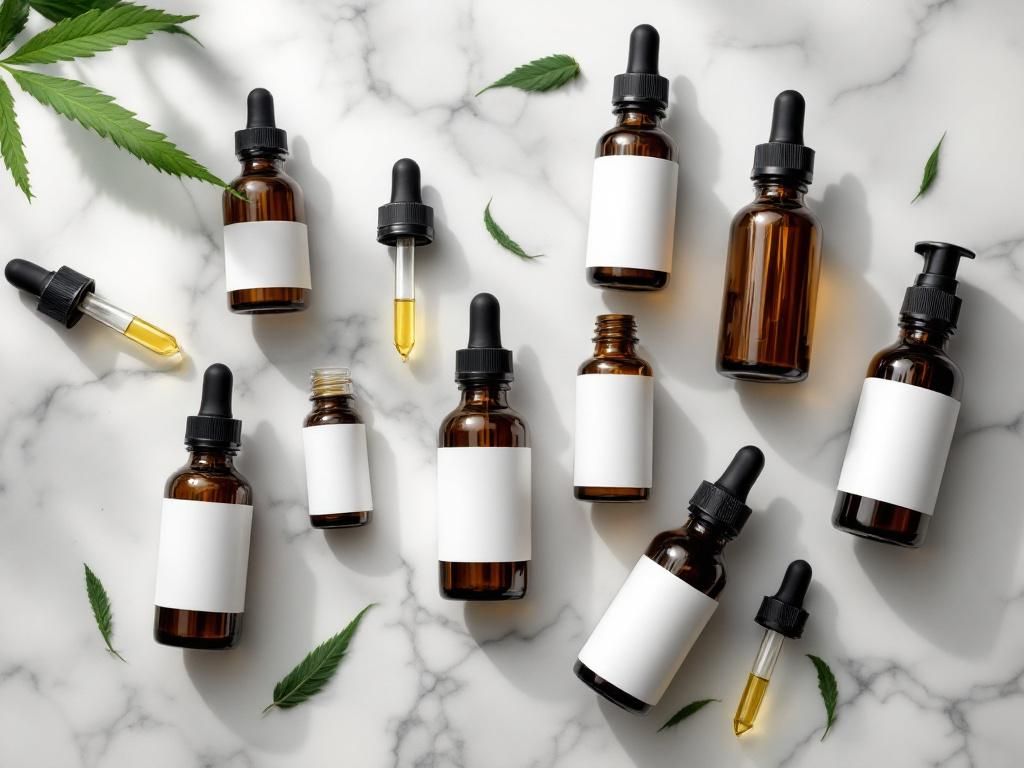
Cannabis tinctures are concentrated liquid extracts created through careful steeping of cannabis plant material in solvents like high-proof alcohol or food-grade alternatives. This extraction process captures cannabinoids, terpenes, and other beneficial compounds, resulting in a potent liquid that offers precise dosing capabilities. The UK market primarily features two distinct categories of cannabis tinctures, each serving different purposes and user needs. For a comprehensive guide, check out our marijuana guide.
These liquid extracts provide remarkable versatility in consumption methods. You can administer them sublingually for rapid absorption, mix them into beverages for gradual onset, or incorporate them into food preparations for sustained effects. Learn more about cannabis cooking. The concentrated nature of tinctures means that small volumes deliver significant amounts of active compounds, making them both economical and convenient for regular use.
Modern tincture production employs sophisticated extraction techniques that preserve the full spectrum of beneficial compounds while ensuring consistent potency across batches. Quality manufacturers provide detailed laboratory testing results, showing exact cannabinoid profiles and confirming the absence of harmful contaminants. This transparency allows you to make informed decisions about products that align with your specific needs and preferences.
Understanding the distinction between different tincture types helps you select products that match your intended outcomes. Whether you’re exploring options for wellness support or following medical guidance, this knowledge empowers you to navigate the available choices with confidence.
THC-Based Tinctures
THC-Based Tinctures contain tetrahydrocannabinol, the primary psychoactive compound responsible for cannabis’s euphoric effects. In the UK, these products are strictly regulated and available only through prescription from specialist doctors for specific medical conditions. Medical cannabis patients typically receive these tinctures as part of comprehensive treatment plans designed to address chronic pain, epilepsy, or other qualifying conditions.
The potency of THC tinctures varies significantly, with concentrations ranging from low-dose formulations suitable for beginners to high-strength preparations for experienced patients. Discover more about high THC products. Medical professionals emphasize starting with minimal doses, often as low as 1-2.5 mg of THC, and increasing gradually based on patient response and therapeutic needs. This careful approach helps prevent adverse reactions while allowing for optimal symptom management.
Administration methods for THC tinctures include sublingual placement for rapid onset, oral ingestion for prolonged effects, or incorporation into specialized vaporization devices where appropriate. The choice of method depends on your specific medical needs, lifestyle considerations, and desired duration of effects. Sublingual administration typically provides relief within 15-30 minutes, while oral consumption may take 30-90 minutes but offers longer-lasting benefits.
Individual factors such as body weight, metabolism, and existing cannabis tolerance significantly influence how you respond to THC tinctures. Medical professionals monitor patient responses closely, adjusting dosages and administration schedules based on therapeutic outcomes and any reported side effects. This personalized approach ensures that each patient receives optimal benefits while minimizing unwanted reactions.
CBD-Based Tinctures
CBD-Based Tinctures contain cannabidiol, a non-intoxicating compound renowned for its potential therapeutic properties including pain relief, anxiety reduction, and sleep support. These products are widely available throughout the UK as food supplements, making them accessible to anyone seeking natural wellness support. CBD tinctures come in several distinct formulations, each offering unique benefits and cannabinoid profiles.
Full spectrum CBD tinctures preserve all naturally occurring cannabinoids, terpenes, and flavonoids found in the hemp plant, potentially creating an “entourage effect” where compounds work synergistically to enhance overall benefits. Read more about the entourage effect explained. These products may contain trace amounts of THC (below 0.2% as required by UK law) but insufficient quantities to produce psychoactive effects. Understand the difference between CBD vs THC. The comprehensive cannabinoid profile often provides more pronounced therapeutic benefits compared to isolated compounds.
Broad spectrum CBD tinctures offer similar comprehensive compound profiles but with THC completely removed during processing. This formulation suits individuals who must avoid any THC content due to employment requirements, personal preferences, or sensitivity concerns. These products still provide the potential benefits of multiple cannabinoids working together while eliminating any psychoactive risk.
CBD isolate tinctures contain pure cannabidiol without other hemp-derived compounds, offering predictable effects and precise dosing for those who prefer single-compound supplementation. Learn more about what is CBD. While they may lack the potential synergistic benefits of full or broad spectrum products, isolates provide consistent, reliable experiences that some users find preferable for daily wellness routines.
The extraction solvent used in CBD tincture production influences both bioavailability and flavor profiles. Explore more about bioavailability. Alcohol-based extractions typically offer superior cannabinoid preservation and absorption rates, while alternatives like MCT oil or vegetable glycerin provide different taste experiences and may appeal to those avoiding alcohol-based products.
Factors Influencing Cannabis Tincture Dosage
Determining your optimal cannabis tincture dosage UK requirements involves understanding multiple interconnected factors that influence how your body processes and responds to cannabinoids. Personal physiology plays the primary role, but product characteristics and environmental factors also contribute significantly to your overall experience. Recognizing these variables empowers you to make informed adjustments and develop a personalized approach that maximizes benefits while minimizing unwanted effects.
Your individual response to cannabis tinctures depends on a complex interplay of genetic factors, lifestyle choices, and current health status. Some people naturally metabolize cannabinoids more efficiently due to genetic variations in liver enzymes, while others may require higher doses to achieve similar effects. Age can also influence metabolism rates, with younger individuals often processing compounds more rapidly than older adults.
External factors such as meal timing, hydration levels, and concurrent medications can modify how your body absorbs and utilizes cannabinoids. Taking tinctures on an empty stomach typically results in faster absorption but may also increase the likelihood of gastrointestinal sensitivity. Conversely, consuming tinctures with fatty foods can enhance absorption of fat-soluble cannabinoids while potentially slowing onset times.
Understanding these factors allows you to optimize your tincture routine for consistent, predictable effects. By monitoring how different variables influence your experience, you can develop strategies that ensure reliable outcomes regardless of daily fluctuations in your routine or physical state.
| Condition | Starting Dose | Typical Range | Notes |
|---|---|---|---|
| Mild Anxiety | 2.5-5 mg | 5-15 mg | Start low, increase gradually |
| Sleep Support | 5-10 mg | 10-30 mg | Take 1-2 hours before bed |
| Chronic Pain | 5-15 mg | 15-40 mg | May require medical supervision |
| General Wellness | 2.5-5 mg | 5-10 mg | Follow FSA guidelines |
Individual Physiological Factors
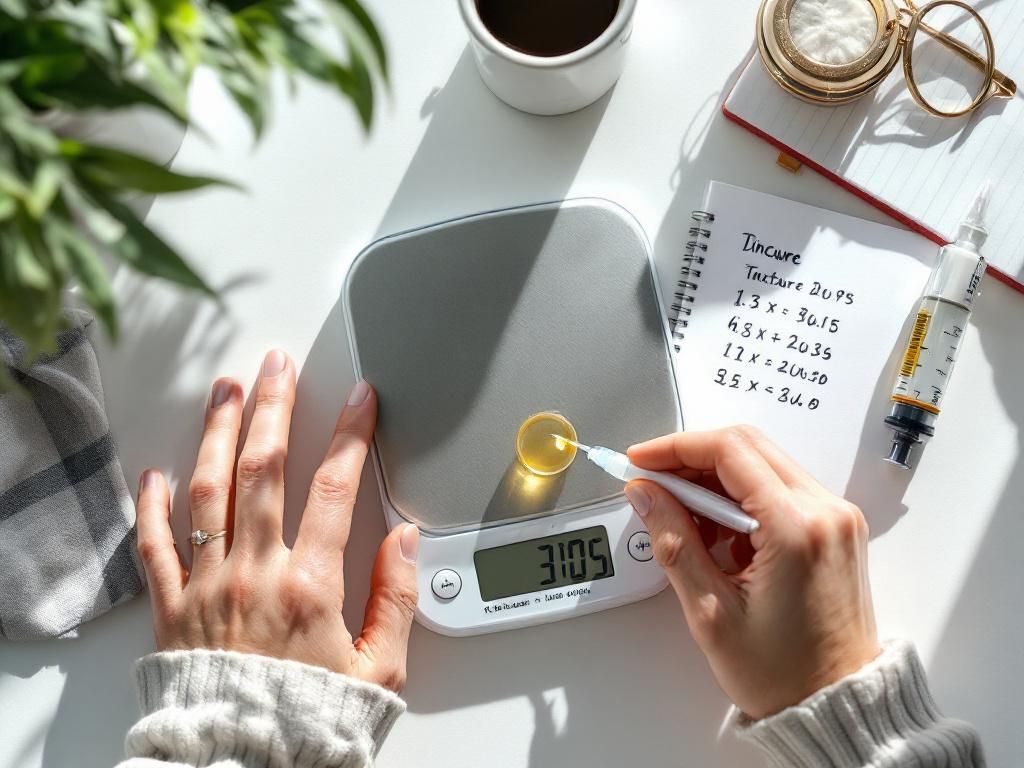
Your body weight significantly influences cannabis tincture dosage requirements, with larger individuals generally needing higher doses to achieve effects comparable to those experienced by smaller people. This relationship isn’t strictly linear, however, as body composition, particularly the ratio of fat to lean tissue, also affects cannabinoid distribution and metabolism. Fat-soluble cannabinoids like THC and CBD tend to accumulate in fatty tissues, potentially prolonging effects in individuals with higher body fat percentages.
Metabolism rate represents another crucial factor in determining appropriate cannabis tincture dosage. People with faster metabolisms process cannabinoids more rapidly, experiencing quicker onset but shorter duration of effects. This metabolic variation means you might need to adjust both dose size and frequency to maintain consistent therapeutic benefits throughout the day. Factors influencing metabolism include age, physical activity level, overall health status, and genetic predisposition.
Your history with cannabis products directly impacts tolerance levels and dosage requirements. Regular users often develop tolerance over time, requiring higher doses to achieve effects previously attained with smaller amounts. This tolerance typically affects THC more significantly than CBD, though individual responses vary considerably. Taking periodic “tolerance breaks” can help reset your sensitivity and reduce required dosage levels. Find out more about beginner weed tolerance break guide.
The specific condition or symptoms you’re addressing influences both optimal dosage and preferred cannabinoid profiles. Mild anxiety might respond well to 5-10 mg of CBD, while chronic pain conditions could require significantly higher doses under medical supervision. Learn about weed for anxiety. Sleep disorders might benefit from different cannabinoid ratios compared to those used for daytime anxiety management, requiring careful consideration of timing and concentration. Discover more about THC sleep insomnia.
Current medications can interact with cannabis tinctures, potentially enhancing or reducing their effects. Certain pharmaceutical drugs influence liver enzyme activity, altering how quickly your body processes cannabinoids. Always consult healthcare providers about potential interactions, especially if you take medications with narrow therapeutic windows or those metabolized by the same liver pathways as cannabinoids.
Product-Specific Factors
Tincture concentration represents the most fundamental product characteristic affecting your dosage calculations. Products typically display total cannabinoid content in milligrams alongside bottle volume in milliliters, allowing you to calculate precise concentration per milliliter. A 30 mL bottle containing 1000 mg of CBD provides approximately 33.3 mg per mL, making dosage calculations straightforward once you understand your dropper’s volume capacity.
The extraction solvent used during tincture production significantly influences bioavailability and absorption characteristics. Read more about cannabis oil UK. Alcohol-based tinctures generally offer superior bioavailability due to alcohol’s ability to enhance cannabinoid solubility and membrane permeability. These products often require lower doses compared to oil-based alternatives to achieve similar effects. However, some users prefer oil-based tinctures for taste preferences or alcohol avoidance.
Carrier oils used in non-alcohol tinctures can modify absorption rates and overall effectiveness. Medium-chain triglyceride (MCT) oil enhances cannabinoid absorption while providing additional health benefits, though it may cause digestive sensitivity in some individuals. Hemp seed oil offers a more neutral flavor profile but may provide slightly lower bioavailability compared to MCT oil formulations.
Additional ingredients in tincture formulations can influence both effects and dosage requirements. Some manufacturers add terpenes to enhance the entourage effect or include natural flavoring agents that might affect absorption. Emulsifiers or stabilizers, while generally safe, can alter how quickly cannabinoids become available to your system. Always review complete ingredient lists to understand what you’re consuming beyond the primary cannabinoids.
Third-party laboratory testing results provide crucial information about actual cannabinoid content, which sometimes varies from label claims. Reputable manufacturers provide certificates of analysis showing exact potency measurements, ensuring you can calculate accurate doses based on verified concentrations rather than estimated values. This testing also confirms the absence of harmful contaminants like pesticides, heavy metals, or residual solvents.
Measuring and Adjusting Your Dosage
Accurate measurement forms the cornerstone of successful cannabis tincture use, enabling you to achieve consistent effects while avoiding unwanted experiences. Precision becomes particularly important when working with potent products or when making subtle adjustments to established routines. Understanding how to calculate concentrations and use measuring tools effectively empowers you to maintain complete control over your cannabinoid intake.
The process of finding your optimal cannabis dosage chart follows a systematic approach that prioritizes safety and gradual progression. Use our edible dosage calculator. This methodology allows your body to adapt naturally while providing clear feedback about the effectiveness of each dose level. By maintaining detailed records and making incremental changes, you develop a comprehensive understanding of your personal response patterns.
Modern tincture bottles often include calibrated droppers designed to dispense consistent volumes, but understanding the relationship between dropper volume and cannabinoid content requires careful calculation. Some products provide this information directly on packaging, while others require you to perform the mathematics based on total bottle contents and individual dropper capacity.
Quality measuring instruments make the difference between approximate dosing and precise cannabinoid delivery. Investing in proper tools and taking time to understand their use pays dividends in consistent, predictable experiences that support your wellness goals effectively.
Understanding Concentrations and Using Measuring Tools
Calculating cannabinoid concentrations requires understanding the relationship between total product volume and active compound content. Most reputable tinctures clearly display both metrics on their labels, allowing you to determine milligrams per milliliter through simple division. For example, a 30 mL bottle containing 600 mg of CBD provides 20 mg per mL, making dosage calculations straightforward once you know your dropper’s capacity.
Standard droppers vary in their dispensing volumes, typically ranging from 0.5 mL to 1 mL per full dropper squeeze. Some manufacturers provide specific volume information for their included droppers, while others require you to measure this yourself using a graduated cylinder or kitchen scale. Understanding your specific dropper’s capacity ensures accurate dose calculations regardless of the concentration changes between different products.
For maximum precision, especially when starting with very low doses, consider investing in a milliliter oral syringe available from pharmacies. These instruments allow for measurements as precise as 0.1 mL, enabling micro-dosing approaches that some users find beneficial for fine-tuning their routines. Syringes also eliminate variability that can occur with dropper bottles, ensuring consistent delivery every time.
The relationship between drops and milliliters provides another useful measurement reference, with approximately 20 drops equaling 1 mL in most tinctures. This calculation allows you to estimate cannabinoid content per drop, which can be helpful for very small dose adjustments. However, drop size can vary based on liquid viscosity and dropper design, making milliliter measurements more reliable for consistent dosing.
Temperature can slightly affect liquid viscosity and dropper performance, so storing tinctures at consistent room temperature helps maintain measurement accuracy. Extremely cold tinctures may dispense more slowly, while warm products might flow more readily, potentially affecting dose consistency if you rely solely on drop counting methods.
The “Start Low, Go Slow” Philosophy
The “start low, go slow” approach represents the gold standard for cannabis tincture dosage, particularly for newcomers or those trying new products. This methodology involves beginning with minimal doses and making gradual increases over extended periods, allowing your body to adapt naturally while minimizing the risk of overwhelming experiences. For CBD tinctures, starting doses of 2.5-5 mg are common, while THC-based medical tinctures often begin even lower at 1-2.5 mg. Learn about THC edibles UK.
Patience becomes crucial during the initial adjustment phase, as cannabinoid effects can take time to manifest fully and your body’s endocannabinoid system may require several days to respond optimally to new compounds. Rushing the process by increasing doses too quickly or too frequently can lead to unpredictable effects and potentially unpleasant experiences that might discourage continued use.
Documentation of your experiences provides invaluable insights for optimizing your routine over time. Consider using a potency calculator. Record the exact dose taken, time of administration, onset of effects, duration of benefits, and any side effects experienced. This information helps identify patterns in your response and guides future adjustments more precisely than relying on memory alone. Many users find smartphone apps or simple journals effective for maintaining these records.
The adjustment process typically involves increasing doses by 2.5-5 mg every 3-7 days, depending on your response and specific goals. Some individuals require longer adjustment periods, particularly when using tinctures for complex conditions or when taking multiple medications that might influence cannabinoid metabolism. Listen to your body’s signals and avoid the temptation to accelerate the process based on expectations rather than actual responses.
What constitutes too much varies significantly between individuals and products, but common signs include:
- Dizziness
- Anxiety
- Nausea
- Excessive sedation
If you experience unwanted effects, reduce your dose and allow more time between adjustments. Remember that finding your optimal dose is not a race, and the gradual approach ultimately leads to more satisfying and sustainable results.
Methods of Administration and Their Impact
The method you choose for cannabis tincture administration significantly influences onset time, duration of effects, and overall experience quality. Different approaches offer distinct advantages depending on your lifestyle, therapeutic goals, and personal preferences. Understanding these differences allows you to select the most appropriate method for your specific circumstances and adjust your routine accordingly.
Your choice between sublingual and oral administration affects not only when you feel effects but also how long they persist and how intense they become. These timing differences can be crucial for managing symptoms that occur at predictable times or for coordinating tincture use with daily activities. Some users benefit from combining methods, using sublingual absorption for immediate needs while relying on oral ingestion for sustained background effects. Explore the bioavailability of edibles vs vapes.
Beyond timing considerations, administration methods can influence the total amount of cannabinoids that reach your system, known as bioavailability. Higher bioavailability means more of the cannabinoids you consume actually produce effects, potentially allowing for lower doses and more economical use of your tinctures. Understanding these efficiency differences helps optimize both effectiveness and cost considerations.
Environmental factors and personal anatomy can also influence how well different administration methods work for you. Factors such as saliva production, digestive health, and even dental work can affect absorption rates and overall effectiveness of various approaches.
Sublingual Administration
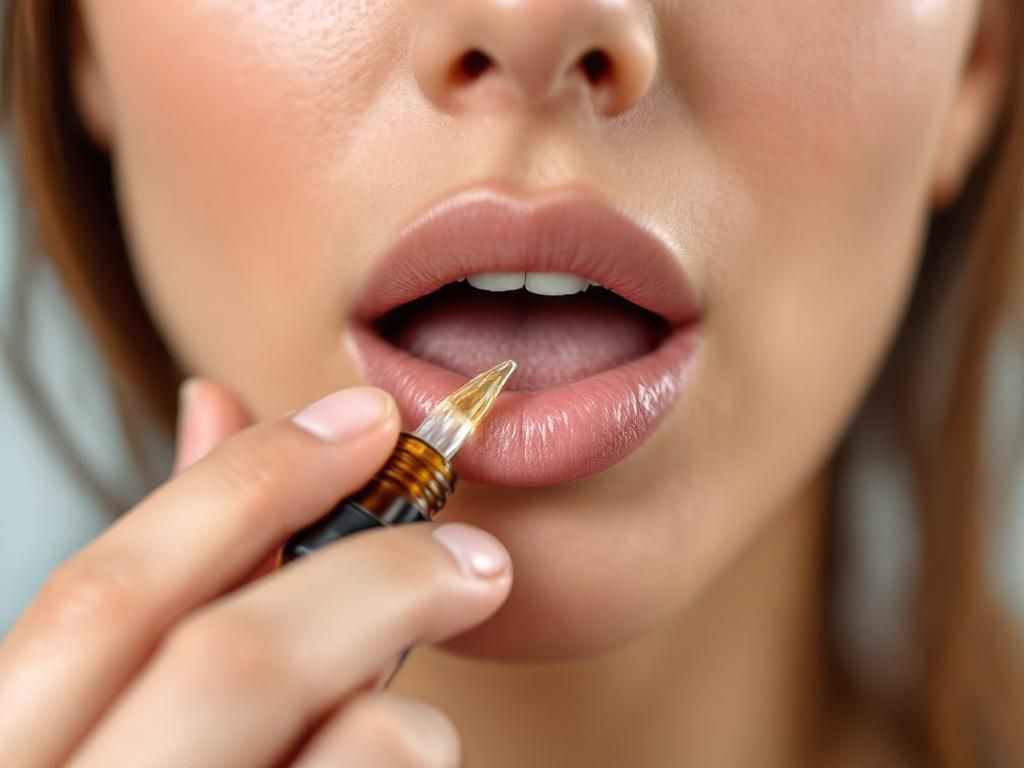
Sublingual Administration involves placing tincture drops directly under your tongue and holding them there for 60-90 seconds before swallowing. This method allows cannabinoids to absorb directly through the rich network of blood vessels beneath your tongue, bypassing the digestive system and liver metabolism that can reduce bioavailability. The result is faster onset of effects, typically within 15-30 minutes, making this approach ideal for acute symptom management or when you need predictable timing.
The mucous membranes under your tongue are particularly efficient at absorbing cannabinoids due to their thin structure and abundant blood supply. This direct absorption means that more of the cannabinoids you consume actually reach your bloodstream compared to oral ingestion. Many users find they need smaller doses when using sublingual administration compared to swallowing tinctures, making this method both more effective and economical.
Proper sublingual technique involves placing drops precisely under your tongue rather than on top, as the underside provides superior absorption. Avoid eating, drinking, or talking during the holding period to maximize contact time and absorption efficiency. Some users find it helpful to gently move the liquid around under their tongue during the waiting period, though excessive movement might cause premature swallowing.
The taste of cannabis oil drops can vary significantly depending on extraction methods and added ingredients, with alcohol-based tinctures often having strong, herbal flavors that some find challenging. Learn about CBD oil UK strength. If taste becomes a barrier to effective sublingual use, look for flavored options or consider briefly rinsing your mouth with water after swallowing the held tincture. However, avoid consuming anything immediately before sublingual administration, as this can interfere with absorption.
Individual variations in sublingual absorption exist, with factors such as saliva production, oral health, and even hydration levels potentially affecting effectiveness. Some medications can alter saliva composition or production, potentially influencing how well sublingual administration works for you. If you notice inconsistent effects with this method, consider whether recent changes in medications, oral health products, or overall health might be contributing factors.
Oral Ingestion (Mixed with Food or Drink)

Oral Ingestion involves swallowing cannabis tinctures directly or mixing them into food and beverages, allowing the cannabinoids to pass through your digestive system before reaching your bloodstream. This process requires cannabinoids to survive stomach acid and be processed by your liver, which metabolizes some of the compounds before they reach general circulation. The result is slower onset of effects, typically 30-90 minutes, but longer duration of action, often 6-12 hours.
The liver’s first-pass metabolism converts some cannabinoids into different compounds, which can actually enhance certain effects while reducing others. Explore the different THC effects. For example, THC is partially converted to 11-hydroxy-THC, a metabolite that may produce more sedating effects than the original compound. This metabolic transformation means that oral ingestion can provide qualitatively different effects compared to sublingual administration, even with identical doses.
Food content and timing significantly influence oral absorption of cannabinoids. Taking tinctures with fatty meals can enhance absorption since cannabinoids are fat-soluble compounds, but this may also delay onset times as digestion proceeds more slowly. Empty stomach administration typically results in faster onset but may also increase the likelihood of gastrointestinal sensitivity in some individuals.
The delayed onset associated with oral ingestion requires patience and careful dose timing to avoid accidentally taking too much while waiting for effects to appear. Find tips for overconsumption. This method works particularly well for sustained symptom management, such as chronic pain or sleep support, where prolonged effects are more valuable than rapid onset. Many users find oral ingestion suitable for their bedtime routines, taking tinctures 1-2 hours before desired sleep time.
Individual variations in digestive health, metabolism, and concurrent medications can significantly affect oral bioavailability and timing. Conditions affecting stomach acid production, liver function, or intestinal absorption may require dose adjustments or method modifications. Some medications can enhance or inhibit the liver enzymes responsible for cannabinoid metabolism, potentially requiring professional guidance for safe and effective use.
Conclusion
Mastering cannabis tincture dosage UK practices requires patience, precision, and a commitment to gradual adjustment based on your body’s unique responses. The foundation of successful tincture use lies in understanding product concentrations, measuring accurately, and respecting the “start low, go slow” philosophy that prioritizes safety over speed. By taking time to learn these fundamentals, you set yourself up for consistent, positive experiences that support your wellness goals effectively.
“Tinctures offer the most precise dosing method available for cannabis consumption, allowing patients to titrate their dose with exceptional accuracy.” – Dr. Peter Grinspoon, Harvard Medical School
Your personal journey with cannabis tinctures will be unique, influenced by factors ranging from body weight and metabolism to specific health considerations and lifestyle preferences. Embrace this individuality rather than comparing your experience to others, and maintain detailed records that help you understand your patterns and optimize your routine over time. The investment in careful documentation and gradual adjustment pays dividends in improved effectiveness and reduced likelihood of unwanted effects.
The administration method you choose significantly impacts your experience, with sublingual use offering rapid onset for acute needs and oral ingestion providing sustained effects for ongoing support. Many users benefit from understanding both approaches and selecting the most appropriate method based on their daily circumstances and therapeutic goals. This flexibility allows you to adapt your routine as your needs evolve or change over time.
For those seeking premium cannabis products with guaranteed quality and discreet delivery throughout the UK, BudBuddies provides a trusted platform that prioritizes both product excellence and customer privacy. Their commitment to quality ensures that the dosage calculations and techniques you’ve learned here will work reliably with consistently potent products. Whether you’re just beginning your cannabis journey or refining an established routine, having access to dependable products makes all the difference in achieving your desired outcomes safely and effectively.
Frequently Asked Questions
Q1: What does “start low and go slow” mean for cannabis tinctures?
“Start low and go slow” is the fundamental safety principle for cannabis tincture dosage that involves beginning with the smallest possible dose and increasing gradually over several days or weeks. This approach allows your body’s endocannabinoid system to adjust naturally while minimizing the risk of overwhelming effects or unwanted side reactions. For CBD tinctures, this typically means starting with 2.5-5 mg per dose, while THC-based medical tinctures often begin even lower at 1-2.5 mg. The gradual increase process helps you discover your personal optimal dose without experiencing the anxiety, dizziness, or other discomfort that can occur from taking too much too quickly.
“The golden rule of cannabis medicine is ‘start low and go slow.’ This approach minimizes adverse effects while allowing patients to find their optimal therapeutic dose.” – Dr. Bonni Goldstein, Medical Director of Canna-Centers
Q2: How do I calculate the milligrams per drop in my cannabis tincture?
To calculate milligrams per drop, first identify the total cannabinoid content (in mg) and bottle volume (in mL) from your product label. Use an edible dosage chart for guidance. Divide the total milligrams by the total milliliters to find the concentration per mL. Since there are approximately 20 drops in 1 mL for most tinctures, divide the mg per mL by 20 to find the mg per drop. For example, a 30 mL bottle containing 600 mg of CBD has 20 mg per mL, which equals 1 mg per drop. However, drop size can vary based on liquid viscosity and dropper design, so using milliliter measurements with a calibrated dropper or oral syringe provides more accurate dosing.
Q3: Is there a difference in onset time between sublingual and oral administration?
Yes, there’s a significant difference in onset times between these administration methods. Sublingual administration, where you hold drops under your tongue for 60-90 seconds, allows direct absorption through mucous membranes into your bloodstream, typically producing effects within 15-30 minutes. Oral ingestion requires cannabinoids to pass through your digestive system and liver processing, resulting in slower onset of 30-90 minutes or longer, especially when taken with food. However, oral administration typically provides longer-lasting effects (6-12 hours) compared to sublingual use (4-8 hours), making each method suitable for different therapeutic needs and timing preferences.
“Sublingual administration provides rapid onset and excellent bioavailability, making it ideal for patients requiring quick symptom relief.” – Dr. Michael Verbora, Medical Cannabis Researcher
Q4: What factors should I consider when determining my cannabis tincture dosage?
Several interconnected factors influence your optimal cannabis tincture guide requirements. Personal physiological factors include your body weight, metabolism rate, age, and any existing tolerance from previous cannabis use. The specific condition you’re addressing also matters, as mild anxiety might require 5-10 mg of CBD while chronic pain could need significantly higher doses under medical supervision. Product-specific factors include the tincture’s concentration, extraction method, and carrier oils used, all of which affect bioavailability. Additionally, consider your administration method preference, meal timing, current medications, and whether you need rapid onset for acute symptoms or sustained effects for ongoing support.
Q5: Can I “overdose” on cannabis tinctures?
While fatal overdoses from cannabis tinctures are virtually impossible, taking excessive amounts can cause uncomfortable side effects, particularly with THC-based products. Common symptoms of taking too much include dizziness, anxiety, rapid heartbeat, nausea, dry mouth, impaired coordination, or excessive sedation. These effects are temporary and will subside as your body processes the cannabinoids, typically within several hours. If you experience unwanted effects, find a calm environment, stay hydrated, and consider taking CBD if available, as it may help counteract THC-related anxiety. To avoid this situation, always follow the “start low, go slow” principle and wait adequate time between doses to assess effects before taking more.
Q6: Are cannabis tinctures legal in the UK?
Cannabis tincture legality in the UK depends on the type and THC content. CBD tincture drops derived from industrial hemp containing less than 0.2% THC are legal and widely available as food supplements, though the Food Standards Agency recommends limiting daily CBD intake to 10 mg for precautionary reasons. THC-based tinctures are classified as controlled substances and only available through prescription from specialist doctors for specific medical conditions like epilepsy, chronic pain, or nausea from chemotherapy. These medical cannabis dosing products are subject to strict regulations and must be obtained through legal medical cannabis clinics. Learn about UK medical cannabis prescription. Always consult healthcare providers about potential interactions and verify product labels to ensure you’re purchasing from legitimate, licensed suppliers.
Q7: What are the FSA’s recommendations for daily CBD intake in the UK?
The Food Standards Agency (FSA) currently advises that healthy adults should limit their daily CBD consumption to 10 mg per day as a precautionary measure. This recommendation reflects ongoing research into CBD’s long-term effects, with concerns about potential impacts on liver function, fertility, and thyroid health at higher consumption levels. The FSA also advises that pregnant and breastfeeding women should avoid CBD products entirely. These guidelines apply to CBD consumed as food supplements and don’t override medical advice for prescribed cannabis medicines. If you’re considering CBD doses above 10 mg daily for specific health concerns, consult with a healthcare provider to weigh potential benefits against possible risks based on your individual circumstances.


