


Cannabis and Menopause: What You Need To Know
Introduction to Menopause and the Growing Interest in Cannabis
Menopause marks a profound transition in a woman’s life, typically occurring between ages 45 and 55 when menstrual periods permanently cease. This natural biological process brings with it a constellation of symptoms that can dramatically affect daily life:
- Hot flashes surge through your body at unpredictable moments
- Night sweats disrupt precious sleep
- Mood swings can feel overwhelming
- Joint pain may creep into areas that never bothered you before
- Changes in libido and cognitive function add complexity
Traditional treatments like Hormone Replacement Therapy (HRT) provide relief for many women, yet some prefer exploring natural alternatives. Personal preferences, concerns about side effects, or simply a desire for plant-based solutions drive this search for different approaches. Cannabis and its compounds, particularly CBD and THC, have emerged as compelling options for cannabis and menopause relief.
Recent surveys reveal that increasing numbers of women are already experimenting with cannabis to manage their symptoms, with many reporting meaningful improvements in their comfort levels. The growing body of anecdotal evidence, combined with emerging research on how cannabinoids interact with hormone-related processes, has sparked serious scientific interest in this area.
“We’re seeing increasing numbers of women turning to cannabis as they seek alternatives to conventional hormone therapy, and while research is still emerging, early indicators suggest this could be a valuable addition to menopause management strategies.” – Dr. June Chin, cannabis physician and women’s health specialist
This comprehensive guide explores the science behind how cannabis might help your body cope with menopausal changes. You’ll discover how specific cannabinoids could address various symptoms, learn about safety considerations, and find practical guidance for anyone considering this natural approach. Whether you’re already familiar with cannabis or completely new to its potential benefits, this information aims to provide clear, evidence-based insights for your wellness journey.
Key Takeaways
Cannabis and menopause relief represents a growing field of interest among women seeking alternatives to conventional symptom management approaches. The endocannabinoid system plays a fundamental role in regulating various bodily functions that become disrupted during menopause, including sleep patterns, mood stability, pain perception, and temperature regulation. Both CBD and THC interact with this intricate system, potentially offering relief for challenging symptoms like hot flashes, sleep disturbances, joint pain, and anxiety that commonly accompany hormonal changes. BudBuddies provides premium, strain-specific cannabis products with guaranteed discreet packaging and reliable UK-wide delivery, including same-day and next-day options for those exploring this natural wellness approach. Always consult with qualified healthcare professionals before beginning any new treatment regimen to ensure safe and appropriate use for your individual circumstances.
Understanding Menopause and Its Impact

Menopause unfolds as a complex three-stage process rather than a single event. Perimenopause serves as the transitional phase leading up to menopause, often lasting several years during which hormone levels like oestrogen and progesterone begin their unpredictable fluctuations. During this time, you might notice irregular periods becoming the norm, along with the gradual onset of symptoms that hint at the changes ahead. Menopause itself is clinically defined as occurring after 12 consecutive months without menstruation, signalling that your ovaries have largely stopped releasing eggs and producing their previous levels of hormones.
The postmenopausal phase follows, encompassing all the years after this milestone when your body continues adapting to its new hormonal landscape. While symptoms often lessen in intensity during postmenopause, some women find certain discomforts persist as their bodies establish new equilibrium points. The primary driver of menopausal symptoms stems from declining oestrogen levels, which influence numerous biological processes throughout your body.
These hormonal shifts manifest in various ways:
- Hot flashes may strike without warning, accompanied by intense heat and sweating
- Sleep becomes elusive as night sweats interrupt rest
- Mood swings create emotional turbulence affecting relationships
- Joint pain and muscle aches may develop where none existed before
- Changes in sexual desire can impact intimate relationships
- Cognitive changes, including memory lapses or difficulty concentrating
Understanding these interconnected changes provides the foundation for exploring how menopause symptoms relief might be achieved through various approaches, including emerging options like cannabis therapy.
The Science Behind Cannabis and Menopause Relief: The Endocannabinoid System
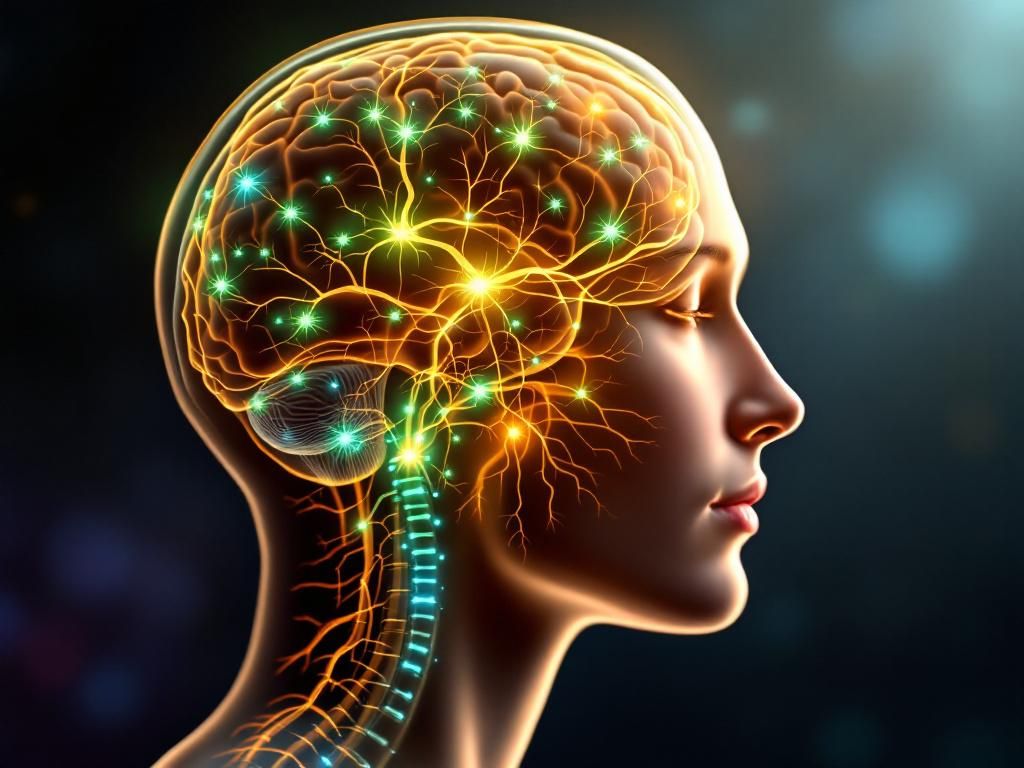
The potential for cannabis and menopause relief becomes clearer when you understand your body’s endocannabinoid system (ECS). This sophisticated cellular communication network extends throughout your entire body, including your brain, reproductive organs, immune cells, skin, and digestive system. The ECS serves as a master regulator, maintaining homeostasis across crucial physiological processes such as mood regulation, sleep cycles, appetite control, pain perception, immune function, and temperature management.
Your ECS comprises three main components working in harmony:
- Endocannabinoids are naturally occurring compounds your body produces, including anandamide and 2-AG, which act as chemical messengers
- Cannabinoid receptors, primarily CB1 and CB2, serve as docking stations where these messengers bind to trigger specific responses
- Enzymes like FAAH and MAGL break down endocannabinoids after they’ve completed their signalling tasks
CB1 receptors concentrate heavily in your brain and central nervous system, while CB2 receptors are more abundant in immune tissues and peripheral organs.
During menopause, the dramatic decline in oestrogen levels creates ripple effects throughout this delicate system. Oestrogen influences the activity of enzymes responsible for metabolising endocannabinoids, meaning lower oestrogen can lead to imbalances in these crucial regulatory compounds. This disruption contributes to many characteristic menopausal symptoms, from temperature dysregulation causing hot flashes to sleep disturbances and mood instability.
“The endocannabinoid system’s role in reproductive health is becoming clearer, and we now understand that hormonal changes during menopause can significantly impact this system’s function.” – Dr. Ethan Russo, neurologist and cannabis researcher
Cannabinoids from the cannabis plant, particularly THC and CBD, can interact with your ECS receptors much like your body’s own endocannabinoids. By modulating ECS activity, these plant compounds may help restore balance to systems disrupted by hormonal changes. This scientific foundation explains why medical marijuana menopause treatments are gaining attention as a potential therapeutic approach for symptom management.
Key Cannabinoids and Their Potential for Menopause Symptom Relief
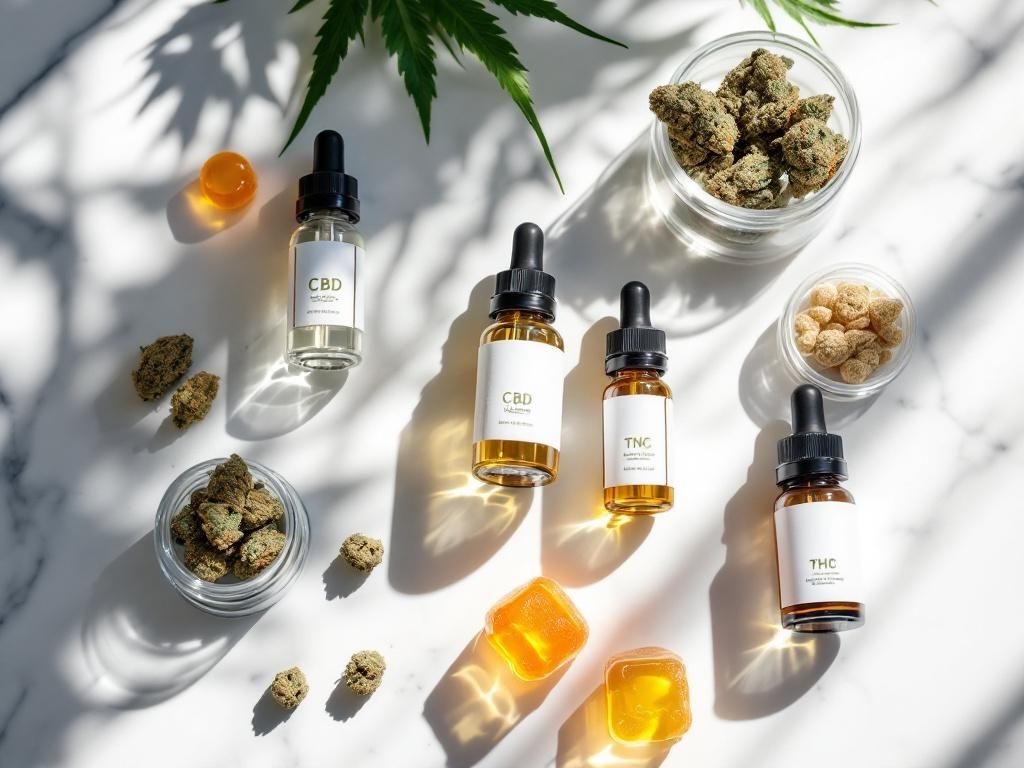
THC (Tetrahydrocannabinol)
THC stands as cannabis’s most famous compound, responsible for the psychoactive effects that create the characteristic “high” sensation. This cannabinoid primarily activates CB1 receptors concentrated in your brain and central nervous system, influencing neurotransmitter release and neural activity patterns. For menopausal women, THC offers several potentially beneficial mechanisms that address common symptoms.
Research suggests THC may help regulate body temperature through its interaction with receptors in the hypothalamus, your brain’s thermostat. This mechanism could potentially ease the intensity and frequency of cannabis hot flashes by stabilising temperature control systems disrupted by hormonal changes. The compound’s well-documented analgesic properties may provide relief from joint pain, muscle aches, and headaches that often increase during menopause as oestrogen’s anti-inflammatory effects diminish.
THC might also enhance sexual health by increasing blood flow to reproductive organs and reducing performance anxiety through its relaxing effects. Some studies indicate that controlled THC use can improve sleep onset time and reduce night-time awakenings, addressing the insomnia that plagues many menopausal women. Additionally, THC’s interaction with serotonin pathways may help stabilise mood and reduce anxiety levels that fluctuate with hormonal changes.
CBD (Cannabidiol)
CBD offers a non-psychoactive alternative that appeals to women seeking CBD for menopause relief without intoxication. Unlike THC, CBD doesn’t directly bind to cannabinoid receptors but instead influences the ECS indirectly through multiple pathways. It inhibits FAAH, the enzyme that breaks down anandamide, effectively increasing levels of your body’s own “bliss molecule.” CBD also interacts with serotonin, GABA, and other neurotransmitter systems involved in mood and anxiety regulation.
Clinical studies demonstrate CBD’s effectiveness in reducing anxiety and promoting calmness, making it particularly valuable for managing perimenopause anxiety CBD symptoms. Its ability to regulate circadian rhythms and promote deeper sleep addresses the sleep disturbances that affect up to 60% of menopausal women. CBD’s anti-inflammatory and analgesic properties can help reduce joint pain and general discomfort associated with declining oestrogen levels.
Research also suggests CBD may help stabilise mood swings by modulating stress hormone release and supporting emotional balance. Unlike pharmaceutical alternatives, CBD typically produces minimal side effects while offering gentle, sustained relief that doesn’t interfere with daily functioning or cognitive clarity.
The Entourage Effect
The entourage effect represents one of cannabis’s most intriguing therapeutic concepts. This theory proposes that cannabinoids, terpenes, and other plant compounds work synergistically to produce enhanced benefits compared to isolated compounds alone. For menopause natural remedies, this full-spectrum approach might offer more comprehensive relief than single-molecule treatments.
Terpenes contribute their own therapeutic properties:
- Limonene provides uplifting, anti-anxiety effects
- Myrcene offers sedating and potentially aphrodisiac qualities
- Linalool contributes calming effects and may help reduce stress response
- Beta-caryophyllene directly activates CB2 receptors, adding anti-inflammatory benefits
When these compounds interact in full-spectrum products, they may produce more balanced and sustained relief than isolated cannabinoids. This natural synergy could explain why many women report better results with whole-plant preparations compared to pure CBD or THC products alone.
How Cannabis May Address Specific Menopause Symptoms
Hot Flashes and Night Sweats
Hot flashes rank among the most disruptive symptoms of menopause, affecting up to 75% of women during this transition. These sudden surges of heat, accompanied by sweating, rapid heartbeat, and sometimes anxiety, can occur multiple times daily and persist for years. While large-scale clinical trials specifically examining CBD for hot flashes remain limited, emerging research and anecdotal evidence suggest cannabis may offer meaningful relief.
“The endocannabinoid system plays a crucial role in thermoregulation, and cannabinoids may help stabilize temperature control mechanisms disrupted during menopause.” – Dr. Staci Gruber, Director of Marijuana for Medical Purposes Program, McLean Hospital
THC’s interaction with hypothalamic receptors could help stabilise your body’s temperature regulation system, which becomes erratic as oestrogen levels fluctuate. Women using cannabis hot flashes treatments report reduced frequency, intensity, and duration of episodes. CBD contributes to this relief indirectly by reducing the anxiety and stress that often trigger or worsen hot flashes, creating a calmer physiological state less prone to sudden temperature spikes.
The combination of both cannabinoids may provide more comprehensive relief than either alone. THC addresses the physical temperature dysregulation while CBD tackles the emotional components, potentially breaking the cycle where anxiety about hot flashes actually makes them worse. Many women find that consistent, low-dose cannabis use helps prevent the severe episodes that can disrupt work, social situations, and sleep.
Sleep Disturbances and Insomnia

Sleep problems plague approximately 60% of menopausal women, manifesting as difficulty falling asleep, frequent night awakenings, or early morning rising with inability to return to sleep. These menopause sleep problems stem from multiple factors including hot flashes, anxiety, changing hormone levels, and shifts in circadian rhythms that occur with ageing.
“CBD has shown promise in clinical studies for improving sleep quality and reducing sleep onset time, particularly in populations with anxiety-related sleep disorders.” – Dr. Michael Breus, Clinical Psychologist and Sleep Medicine Expert
CBD has shown particular promise for sleep enhancement through multiple mechanisms. It helps regulate your natural sleep-wake cycle by interacting with receptors involved in circadian rhythm control. Studies involving adults with anxiety-related sleep problems demonstrated significant improvements in sleep scores with CBD therapy, with many participants reporting deeper, more restorative rest. CBD’s anti-anxiety properties also address the racing thoughts and worry that keep many menopausal women awake.
THC sleep menopause benefits include reduced sleep onset time and fewer night-time awakenings. However, timing and dosage require careful consideration since too much THC can actually disrupt sleep quality or cause next-day grogginess. The ideal approach often involves a balanced combination taken 1-2 hours before bedtime, allowing sufficient time for onset while avoiding peak effects during sleep hours.
Mood Swings, Anxiety, and Depression
Hormonal fluctuations during menopause can trigger significant emotional instability, with up to 40% of women experiencing increased anxiety, irritability, or depressive symptoms. These mood changes often feel unpredictable and overwhelming, affecting relationships, work performance, and overall quality of life. Cannabis anxiety menopause relief represents one of the most commonly reported benefits among women using these products.
CBD’s interaction with serotonin receptors helps regulate mood and emotional responses, providing a stabilising effect during hormonal turbulence. Clinical research demonstrates CBD’s effectiveness in reducing generalised anxiety, social anxiety, and stress-related symptoms without the side effects associated with conventional anti-anxiety medications. Its calming influence can help you feel more emotionally balanced and resilient during challenging transitions.
THC also contributes to mood regulation through its effects on neurotransmitter systems, particularly by enhancing endorphin and serotonin activity. The compound’s mild euphoric effects can provide temporary relief from depressive feelings while reducing the physical tension that accompanies anxiety. Many women report that small, controlled doses help them feel more relaxed and optimistic about managing their symptoms.
Pain Relief (Joint & Muscle Pain, Headaches)
Menopause pain relief becomes increasingly important as declining oestrogen levels reduce the hormone’s natural anti-inflammatory effects. Up to 60% of menopausal women develop new or worsening joint pain, muscle aches, and headaches. This discomfort can significantly impact mobility, exercise tolerance, and overall quality of life.
Both CBD and THC demonstrate well-documented analgesic and anti-inflammatory properties through different mechanisms. CBD reduces inflammation by modulating immune cell activity and cytokine production, addressing pain at its source rather than simply masking symptoms. Its effects on vanilloid receptors also contribute to pain relief, particularly for chronic conditions involving nerve sensitisation.
THC provides pain relief through direct interaction with CB1 receptors in pain processing centres of your brain and spinal cord. This central nervous system modulation can effectively reduce pain intensity and improve pain tolerance. Studies of cannabis-based medicines for chronic pain conditions consistently show significant improvements in pain scores and quality of life measures, with many participants able to reduce their reliance on conventional pain medications that may carry unwanted side effects.
Loss of Libido and Sexual Health
Decreased sexual desire affects up to 80% of menopausal women, yet remains one of the most under-discussed symptoms despite its significant impact on relationships and self-confidence. Multiple factors contribute to this change, including hormonal shifts, physical discomfort, sleep deprivation, and psychological effects of other menopausal symptoms.
Cannabis, particularly THC, may help address several aspects of sexual dysfunction simultaneously. The compound’s vasodilating effects can improve blood flow to sexual organs, enhancing physical arousal and sensation. THC’s anxiety-reducing properties help create the relaxed mental state necessary for sexual enjoyment, while its mood-enhancing effects can restore interest and desire that hormonal changes have diminished.
Anecdotal reports and preliminary research suggest that controlled cannabis use before intimate activities can increase sensitivity, enhance pleasure, and improve overall sexual satisfaction. Specific terpenes like myrcene may contribute additional aphrodisiac effects, while the overall relaxation cannabis provides can help overcome the self-consciousness or physical discomfort that interferes with intimacy during menopause.
Exploring Cannabis Products from BudBuddies for Your Menopause Journey
BudBuddies understands that navigating menopause requires personalised solutions delivered with complete privacy and reliability. Our premium collection of cannabis products provides multiple consumption methods to match your specific needs and lifestyle preferences. Whether you’re seeking sustained relief throughout the day or quick intervention for sudden symptoms, our carefully curated selection offers options that align with your wellness goals.
Our diverse range includes premium flowers with distinct strain profiles:
- Indica-dominant varieties provide relaxing, sedating effects ideal for evening use
- Sativa-dominant options offer uplifting, energising effects for daytime use
- Hybrid strains combine both influences for balanced, all-day effects
For those preferring precise dosing and extended relief, our next day CBD UK edible products deliver consistent effects that can last 4-8 hours. This sustained action proves particularly valuable for managing chronic symptoms like pain and anxiety that persist throughout the day. Edibles also offer complete discretion, appearing identical to regular food products while providing measured cannabinoid doses.
Our THC vapes provide rapid onset for acute symptom management, delivering effects within minutes when quick relief becomes necessary. This fast-acting option excels for unexpected hot flashes, sudden anxiety spikes, or sleep difficulties that require immediate attention. The precise temperature control ensures optimal cannabinoid delivery while preserving delicate terpenes that contribute to therapeutic effects.
Every BudBuddies product undergoes rigorous quality testing to ensure consistent potency and purity. This reliability allows you to develop understanding of how different formulations affect your individual symptoms, building confidence in your cannabis routine. Our discreet packaging protects your privacy completely, with unmarked boxes and minimal labeling ensuring confidential delivery. Same-day and next-day delivery options across the UK eliminate delays between ordering and relief, supported by tracking systems that keep you informed throughout the process.
Important Considerations and Safety
Approaching cannabis and menopause relief requires careful consideration of safety factors and individual health circumstances. Professional medical guidance should always precede cannabis use, particularly if you’re currently taking other medications or managing additional health conditions. Healthcare providers can assess potential drug interactions, such as those with blood thinners, anti-seizure medications, or sedatives, while helping determine whether cannabis suits your specific health profile.
Starting with minimal doses represents the safest approach to cannabis introduction. The “start low and go slow” principle allows you to assess individual tolerance and response patterns without overwhelming your system. Begin with the smallest effective dose and gradually increase only after several days of consistent use, allowing sufficient time to evaluate effects and side effects. Individual responses to cannabis vary dramatically based on factors including body weight, metabolism, previous cannabis exposure, and specific symptom patterns.
“Women considering cannabis for menopause symptoms should work closely with healthcare providers familiar with both cannabinoid medicine and women’s health to develop safe, effective treatment protocols.” – Dr. Jordan Tishler, Harvard-trained physician and cannabis specialist
Potential side effects, while generally mild, deserve attention during your evaluation period. THC can cause temporary dizziness, dry mouth, increased appetite, or cognitive effects, particularly at higher doses. CBD rarely produces significant side effects but may interact with certain medications by affecting liver enzymes responsible for drug metabolism. Sleep patterns might initially change as your body adjusts to cannabinoid influences, though these effects typically stabilise with consistent use.
Quality assurance becomes paramount when selecting cannabis products for health purposes. Reputable suppliers provide comprehensive third-party laboratory testing that confirms cannabinoid content, identifies pesticide residues, and screens for harmful contaminants like heavy metals or residual solvents. In the UK, medical cannabis requires prescription from specialist clinics operating under strict regulatory oversight, ensuring products meet pharmaceutical-grade standards for purity and consistency.
Conclusion
The intersection of cannabis and menopause relief represents a promising frontier in women’s health, offering hope for those seeking natural alternatives to conventional treatments. As hormonal changes disrupt your body’s delicate endocannabinoid system, cannabinoids like CBD and THC may help restore balance and alleviate challenging symptoms ranging from hot flashes and sleep disturbances to anxiety and chronic pain.
While research continues expanding our understanding of these therapeutic relationships, growing anecdotal evidence and preliminary studies suggest significant potential for symptom management. The key lies in approaching cannabis thoughtfully, with proper medical guidance and quality products that ensure safety and effectiveness.
For women ready to explore this natural option, responsible sourcing and professional consultation provide the foundation for positive outcomes. BudBuddies stands ready to support your wellness journey with premium, discreetly packaged cannabis products and reliable UK-wide delivery, helping you access the relief you deserve with confidence and convenience.
FAQs
Can Cannabis Completely Eliminate Menopause Symptoms?
Cannabis typically functions as a management tool rather than a complete cure for menopausal symptoms. While many women report significant improvements in symptom severity and frequency, expecting complete elimination may be unrealistic. Individual responses vary considerably, with some experiencing dramatic relief while others notice more modest improvements.
Is CBD or THC Better for Menopause Symptoms?
| Aspect | CBD | THC |
|---|---|---|
| Psychoactive Effects | None | Yes, produces “high” |
| Best For | Anxiety, sleep, inflammation | Temperature regulation, pain, libido |
| Timing | Suitable for daytime use | Requires careful timing |
| Side Effects | Minimal | Dizziness, dry mouth, cognitive effects |
| Drug Interactions | May affect liver enzymes | Moderate interaction potential |
Many women find balanced products combining both compounds provide optimal results.
How Long Does It Take for Cannabis to Work for Menopause Symptoms?
Onset times depend heavily on consumption method and individual metabolism. Vaping or smoking delivers effects within 2-5 minutes but typically lasts 1-3 hours. Edibles and capsules require 30 minutes to 2 hours for onset but provide sustained relief lasting 4-8 hours. Consistent daily use may produce cumulative benefits that develop over weeks of regular consumption.
Are There Any Specific Strains Recommended for Menopause Relief?
Strain selection depends on your primary symptoms and timing preferences. Indica-dominant varieties typically provide relaxing, sedating effects beneficial for sleep problems, anxiety, and evening pain relief. Sativa-dominant options offer uplifting effects that combat daytime fatigue and mood swings. Individual responses vary significantly, making personal experimentation necessary to identify optimal choices.
Can I Use Cannabis if I’m on HRT?
Many healthcare providers consider cannabis compatible with HRT when used under proper medical supervision. The combination may actually provide enhanced symptom relief by addressing issues that HRT alone doesn’t fully resolve. However, discussing potential interactions with your prescribing physician remains essential to ensure safe, coordinated treatment that maximises benefits while minimises risks.


