cannabis consumption methods for health
Many people searching for the healthiest way to consume cannabis expect one simple answer, but there isn’t one. The truest response is that cannabis consumption methods for health depend on your lungs, your tolerance, and what you actually want from the experience. Someone managing chronic pain has very different needs from someone easing into cannabis for the first time. Respiratory health, dosing precision, and how quickly you want effects to appear all shape which method genuinely suits you.
Cannabis consumption methods for health simply means the different ways cannabinoids can enter your body, from inhaling flower or vapour to swallowing an edible, placing drops under your tongue, or rubbing a cream into sore joints. Each route carries its own onset time, duration, and health profile. This guide compares smoking and vaping, weighs edibles against inhalation, looks at tinctures and topicals, and sets out simple ways to lower risk whatever format you choose. BudBuddies stocks lab-tested options across each of these formats, so matching a method to your own goals becomes far easier.
Read on to see how each format stacks up against your own health priorities.
Key Takeaways
Smoke-free formats like edibles, tinctures, and topicals cut respiratory risk compared with smoking or dabbing.
Precise dosing, in milligrams or drops, matters more for low-risk consumption than the method itself.
Onset time ranges from minutes with flower and vapes to a couple of hours with edibles, so timing your dose matters.
Lab-tested, clearly dosed products lower health risk no matter which format you choose.
Combining methods safely means lowering each individual dose, since effects compound rather than simply add.
What Are The Main Cannabis Consumption Methods For Health?
Cannabis consumption methods for health fall into six broad categories, each moving cannabinoids into your body in a different way:
Flower – smoked and inhaled directly
Concentrates – smoked or vaporised for a stronger dose
Vapes – heat oil or extract into an inhalable vapour
Edibles and drinks – pass through digestion
Tinctures – absorb under the tongue
Topicals – sit on the skin for localised relief
Every format changes how fast you feel effects, how long they last, and how much they affect your whole body versus just one area.
The central trade-off is speed against exposure. Inhaled methods act within minutes but expose your lungs to some form of smoke or vapour, while oral and topical methods skip the lungs entirely but take longer to work, or stay more localised. Knowing this trade-off helps you weigh convenience against your own respiratory health and dosing comfort before settling on a format.
Is Smoking Or Vaping The Safer Way To Consume Cannabis?
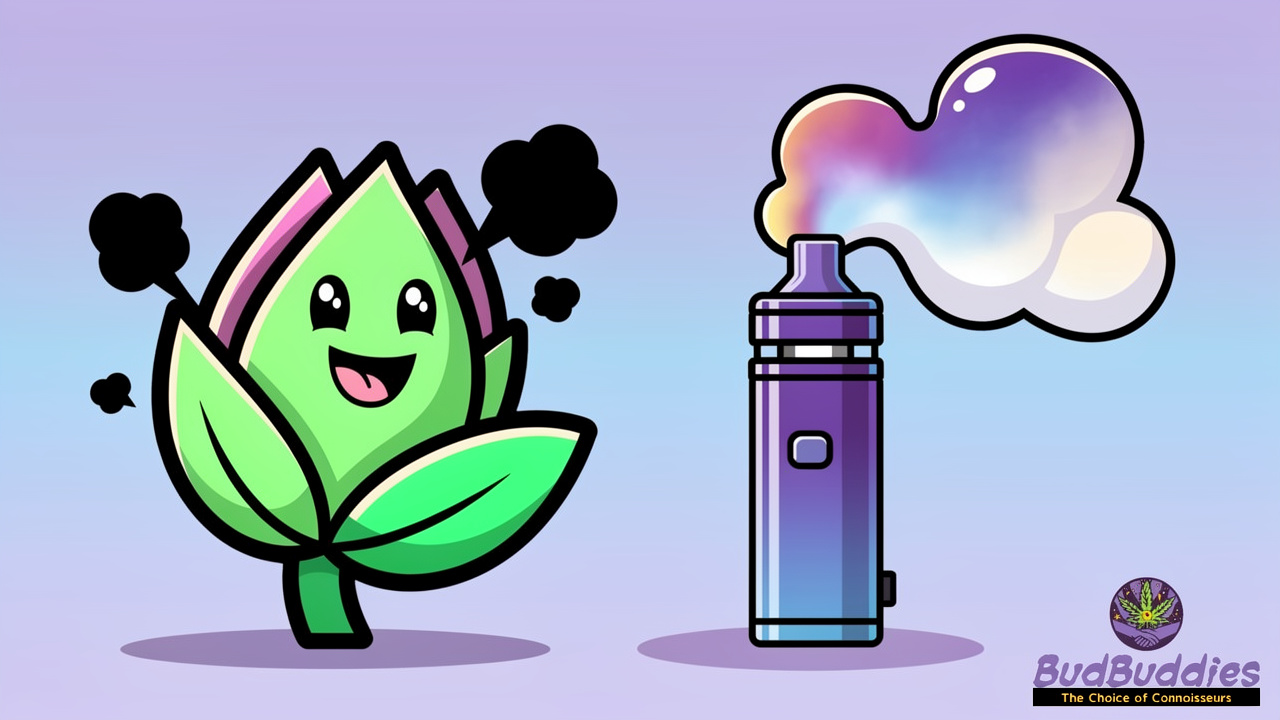
smoking vs vaping cannabis is generally the safer inhalation choice because it heats cannabis to release cannabinoids without burning the plant material. Smoking a joint or pipe combusts flower at high heat, creating tar and other irritants similar to those found in tobacco smoke, which can affect the throat and lungs over time. Vaping, by contrast, warms flower or oil to a lower temperature, producing vapour rather than smoke and cutting down on many of those harmful byproducts. For anyone with asthma or general respiratory sensitivity, that difference matters a lot.
Research comparing modes of cannabis administration shows both methods share one clear benefit, in that effects appear within minutes, making them useful when you want fast, noticeable relief. That speed comes with a caveat though, since vape battery safety tips depends heavily on device and cartridge quality. A well-made vape with proper temperature control gives a cleaner, more predictable experience than a cheap pen or an untested cartridge, so choosing a reputable source matters as much as choosing the method itself.
Cannabis Edibles Versus Smoking Which Is Healthier?
Edibles are the clear smoke-free choice in the cannabis edibles versus smoking debate, since they skip inhalation and rely on digestion instead. Smoking sends cannabinoids into the bloodstream through the lungs within minutes, but effects fade after two or three hours. Every inhale also brings tar and other combustion byproducts along with it. Edibles travel a slower route, passing through the stomach and liver before cannabinoids reach the bloodstream. That’s why onset usually takes 60 to 120 minutes, though effects then last far longer, often four to eight hours.
This delay is both the biggest benefit and the biggest risk of edible high vs vape high. Sustained relief helps with chronic symptoms, but the wait can tempt newcomers into taking more before the first dose even starts working, and that’s how people end up with an uncomfortably strong experience.
The safest approach is to start low and go slow, treating a small dose as a starting point rather than a top-up target.
BudBuddies’ THC edibles buying guide carry clearly printed dosing between 2.5mg and 10mg of THC per serving, giving newcomers and experienced users alike a straightforward way to control intake. Choosing a lower strength and waiting through the full onset window before taking more keeps oral consumption predictable rather than overwhelming.
How Long Do Edibles Take To Work?
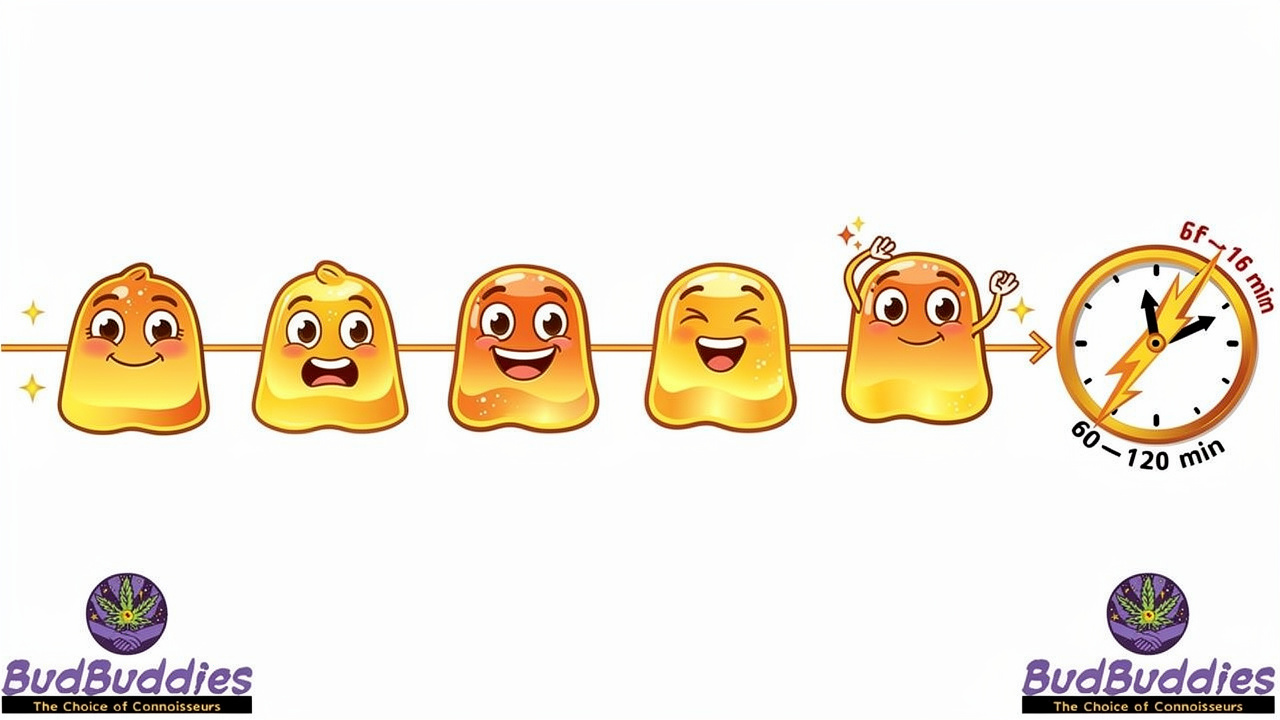
Edibles typically take 60 to 120 minutes to how long edibles last, since cannabinoids must pass through digestion and the liver before reaching the bloodstream. That wait is exactly why redosing too soon causes trouble, so give a full two hours before deciding you need more. A edible dosage calculator is 2.5mg to 5mg of THC, especially if you’re new to edibles or trying an unfamiliar product.
Cannabis Tinctures And Oral Drops A Low-Risk Middle Ground?
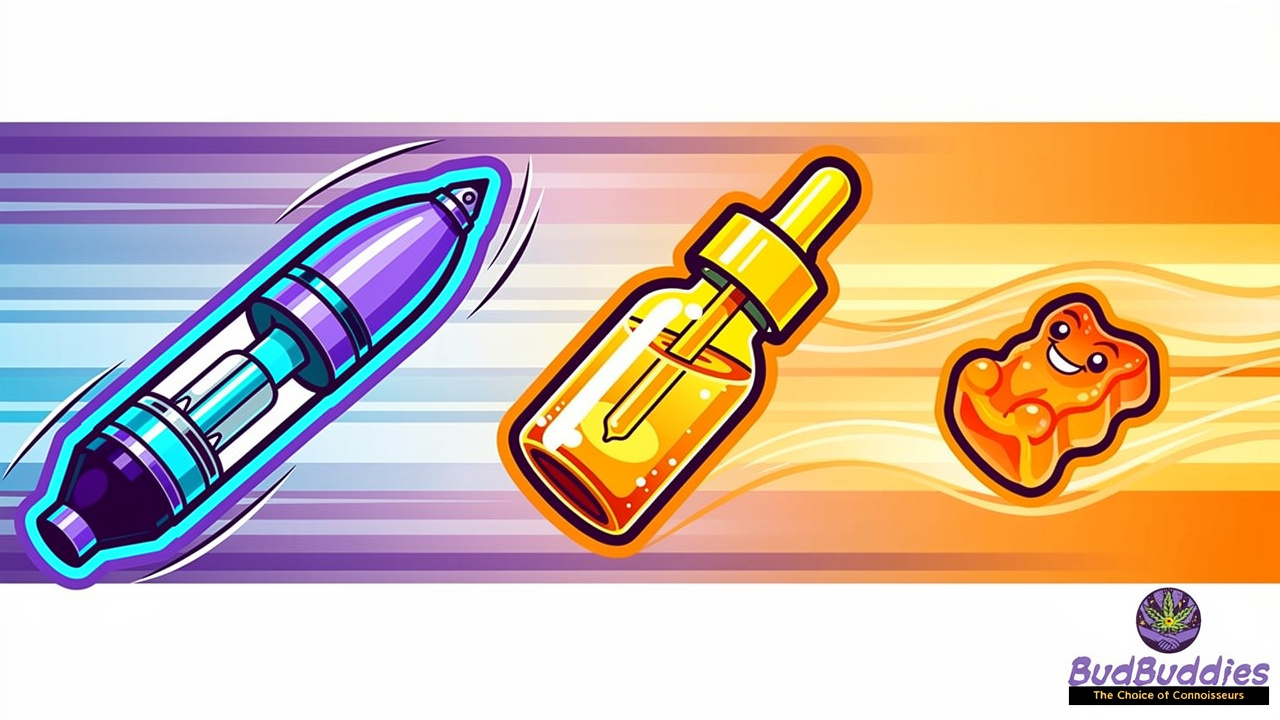
Cannabis tinctures sit between fast inhalation and slow-acting edibles, since drops held under the tongue absorb through the mucous membranes rather than through digestion. This cannabis tincture dosage guide skips the liver’s first-pass processing, so effects begin within 15 to 45 minutes, quicker than edibles, and last around four to six hours. That combination gives a smoke-free option without the long, unpredictable wait that edibles sometimes bring.
Dropper-based dosing also suits low-risk cannabis consumption, since each drop delivers a consistent, measurable amount of cannabinoids. This makes it easy to nudge your dose up or down by a single drop until you find what works. For anyone building a daily wellness routine, that level of control is genuinely useful.
Do Cannabis Topicals Offer Health Benefits Without The High?
Cannabis topicals deliver health benefits without the high, because creams and balms act on the skin and nearby tissue rather than entering the bloodstream in any meaningful amount. Applied to sore joints, tight muscles, or irritated skin, cannabinoids interact with receptors in that local area, easing discomfort without any cognitive effects. This makes topicals suitable for daytime use, work, or any situation where you need full mental clarity.
The brand’s CBD cream pain relief are built for exactly this kind of targeted, smoke-free relief, combining cannabinoids with soothing ingredients for everyday aches. They’re a straightforward option if you want cannabis’s localised benefits without touching your lungs or your headspace at all.
How Can You Minimise Cannabis Health Risks Whatever Method You Choose?
Minimising cannabis health risks starts with the same rule regardless of method, which is to start low and go slow. Consider the following:
Begin with a small dose, whether that’s a few milligrams of an edible or a single puff of flower, and give it time before deciding whether you need more.
Waiting periods matter most with edibles, where a full two hours prevents the common mistake of stacking doses before the first one has landed.
lab-tested THC products removes another layer of guesswork, since accurate percentages let you judge a dose properly instead of estimating blind.
Full ingredient transparency, including carrier oils and flavourings, helps anyone with dietary needs choose confidently.
Discreet, unmarked packaging also protects your privacy, letting you manage your own consumption without anyone else’s input.
The platform applies double potency verification across its range, so the THC or CBD percentage on the label matches what’s actually in the product.
Can You Safely Combine Different Consumption Methods?
Yes, many experienced users mixing weed and alcohol, using an edible for a steady baseline and a vape for on-demand relief when needed. The key is lowering the dose of each, since effects compound rather than simply add up. Try a smaller edible than you’d normally take alone, then wait to see how you feel before adding a few puffs, rather than combining two full doses at once.
The Takeaway
Choosing among cannabis consumption methods for health comes down to matching the format to your body and your day, not chasing a single best answer. Respiratory health points you toward edibles, tinctures, or topicals, while a need for fast relief points toward flower or vaping instead. Duration matters too, since edibles and tinctures suit sustained, longer-lasting relief far better than a quick inhale ever could.
Whatever combination fits your lifestyle, quality and clear dosing matter more than the format itself. BudBuddies’ lab-tested cannabis products spans flower, edibles, tinctures, vapes, and topicals, each one clearly labelled so you’re never guessing at strength. Browse budbuddies.cc when you’re ready to match a method to your own health goals, with discreet delivery and straightforward guidance along the way.
Frequently Asked Questions
What Is The Safest Cannabis Delivery Method For Beginners?
Smoke-free, low-dose options like edibles or tinctures with clear milligram dosing are generally the safest starting point for beginners. They avoid any respiratory exposure and let you control intake precisely, which makes early experiences far more predictable than jumping straight into inhalation.
Do Cannabis Edibles Show Up Differently In The Body Than Smoking?
Yes, edibles pass through the liver before reaching the bloodstream, a process called first-pass metabolism that why edibles last longer. This metabolite tends to feel stronger and last longer than the effects produced by smoking or vaping.
Can Cannabis Topicals Get You High?
No, topicals act locally on the skin and surrounding tissue rather than entering the bloodstream in any meaningful amount. Because cannabinoids stay largely at the site of application, creams and balms don’t produce intoxication, even ones containing THC.
How Do You Store Cannabis Products Safely At Home?
Keep cannabis products in a cool, dark, sealed container, well out of reach of children and pets. Discreet, unmarked packaging on arrival also helps keep things private and secure from delivery through to storage.
What’s The Best Cannabis Method For Sleep Support?
Edibles or CBD for sleep guide for sleep, since both offer longer-lasting, steadier effects through the night compared with inhalation. Their extended duration means you’re less likely to wake as effects fade partway through the night.
Does Mixing Cannabis With Alcohol Increase Health Risks?
Yes, weed vs alcohol comparison can intensify effects unpredictably, since both substances affect the body at the same time and compound each other. It’s worth being cautious and informed, starting with lower amounts of each if you choose to combine them at all.