


Does Smoking Weed Lower Blood Pressure? Here’s What We Know
If you’ve searched “does weed lower blood pressure,” you’ve probably found answers that flatly contradict each other. Some sources claim cannabis calms your heart and steadies your numbers. Others warn that it sends your blood pressure climbing within minutes. Both claims have some truth behind them, which is exactly why the topic feels so confusing.
Blood pressure measures how hard your blood pushes against your artery walls, and keeping it in a healthy range matters for your heart, kidneys, and long-term wellbeing. This article breaks down what actually happens to your blood pressure shortly after use versus over months of regular consumption, how THC and CBD behave differently once inside your body, and why your own results might not match a friend’s. We’ll also cover sensible steps for using cannabis if blood pressure is something you keep an eye on. BudBuddies, a UK cannabis retailer known for lab-tested products, comes up throughout as an example of how quality and clear labelling support safer choices.
Let’s start with the question everyone actually wants answered.
Key Takeaways
Weed can raise your blood pressure shortly after use, though regular long-term use has been linked to lower resting readings in some studies.
CBD shows steadier, more consistent evidence for blood pressure support than THC does.
Your own response depends heavily on dose, strain, tolerance, and how you consume it.
Cannabis should never replace prescribed blood pressure medication or a conversation with your GP.
Does Weed Raise Or Lower Blood Pressure?
Weed can do both. It can raise your blood pressure within minutes of use and, according to some research, gradually lower it over months of regular consumption, so the honest answer to does weed lower blood pressure depends entirely on the timeframe you’re looking at. Right after smoking or vaping THC-rich cannabis, your heart often beats faster and your blood vessels briefly narrow, causing a short spike in both your systolic and diastolic readings. That spike can be followed by a sudden drop, particularly when you stand up, because your circulation takes a moment to catch up.
Regular, long-term users tell a different story. Several studies suggest that habitual cannabis use is linked with lower resting blood pressure over time, almost as if the cardiovascular system slowly adapts to repeated exposure. That finding sounds reassuring, but it comes with a serious catch worth taking seriously:
The same body of research that found lower resting blood pressure in regular users also found a higher risk of death from cardiovascular complications compared with people who don’t use cannabis at all.
A lower number on the monitor doesn’t automatically mean a healthier heart underneath it. Other studies go further, linking regular THC-heavy use to a greater chance of developing hypertension, tachycardia, or irregular heart rhythms further down the line, a connection explored in depth in a comprehensive overview of cannabis-related arrhythmias. Researchers studying cannabis and cardiovascular health openly admit the evidence still contradicts itself in places, and that more long-term work is needed before anyone can give a simple yes or no answer.
Short-Term Effects: The Initial Spike And Drop
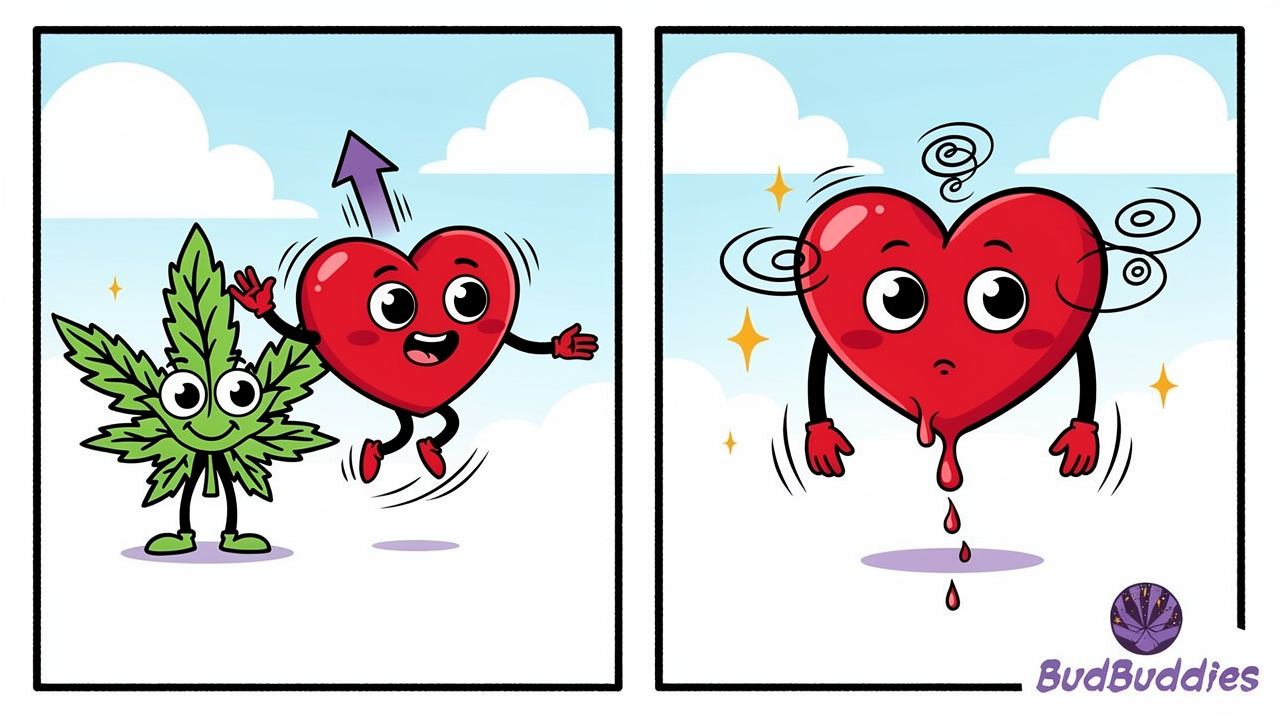
THC drives most of the short-term change you’ll notice straight after using cannabis, and research on the immediate cardiovascular spike confirms it causes vasoconstriction, a narrowing of your blood vessels, while also pushing your heart to pump harder and faster. Together, these effects create the temporary spike in heart rate and blood pressure that many people feel as a racing pulse soon after smoking or vaping.
That spike often gives way to a drop, especially when you stand up quickly after sitting or lying down. Doctors call this orthostatic hypotension, and it can leave you feeling dizzy or light-headed for a few moments. Anyone with naturally low blood pressure, or an existing heart condition, should treat this swing with real caution.
Long-Term Effects: What Regular Use Looks Like
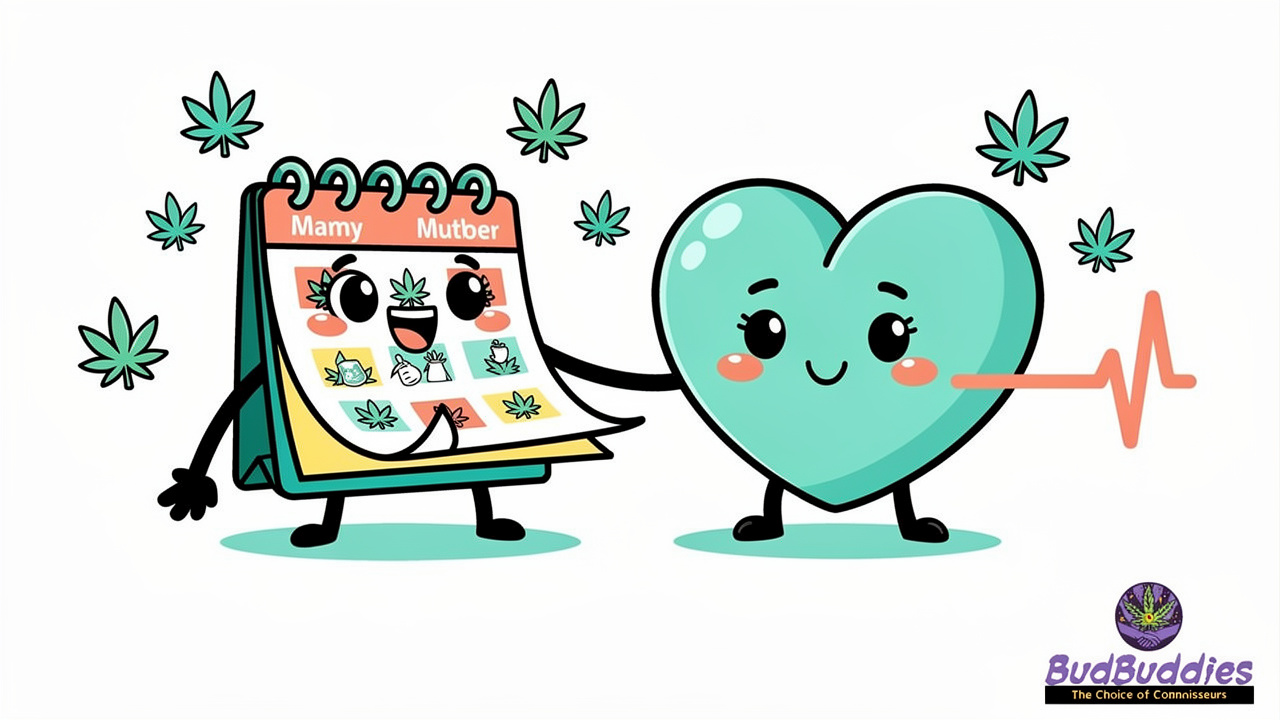
Regular cannabis use tells a more complicated story than a single session does. Some research suggests habitual consumption, especially among people using cannabis for medical reasons, is linked with lower resting blood pressure over months and years, a pattern documented in a study on cannabis use and blood pressure levels across different socioeconomic groups. The theory is that the cardiovascular system gradually adjusts to repeated cannabinoid exposure, softening the sharp spikes seen in occasional users.
Other studies push in the opposite direction, tying frequent THC-heavy use to a higher chance of developing hypertension or irregular heart rhythms. Researchers openly admit they don’t have a final answer here, and individual results depend heavily on dose, frequency, and strain. Anyone using cannabis regularly with blood pressure in mind should treat these findings as a reason for caution rather than reassurance.
How Does Cannabis Actually Affect Your Body?
Cannabis works through the endocannabinoid system, a network of receptors spread across your brain and body that helps regulate mood, appetite, sleep, and cardiovascular function. When you consume cannabis, its compounds latch onto these receptors and adjust how your body carries out those everyday processes. This is the mechanism behind almost every effect cannabis produces, from feeling relaxed to noticing a faster heartbeat.
THC and CBD interact with this system quite differently:
THC binds mainly to CB1 receptors in the brain, producing the psychoactive high people associate with cannabis, and this same pathway drives its more noticeable cardiovascular effects.
CBD, by contrast, is non-intoxicating and works across both CB1 and CB2 receptors, which may explain why it’s linked to relaxation and gentler effects on blood vessels rather than sudden spikes.
CBD vs THC: Which One Is Better For Blood Pressure?
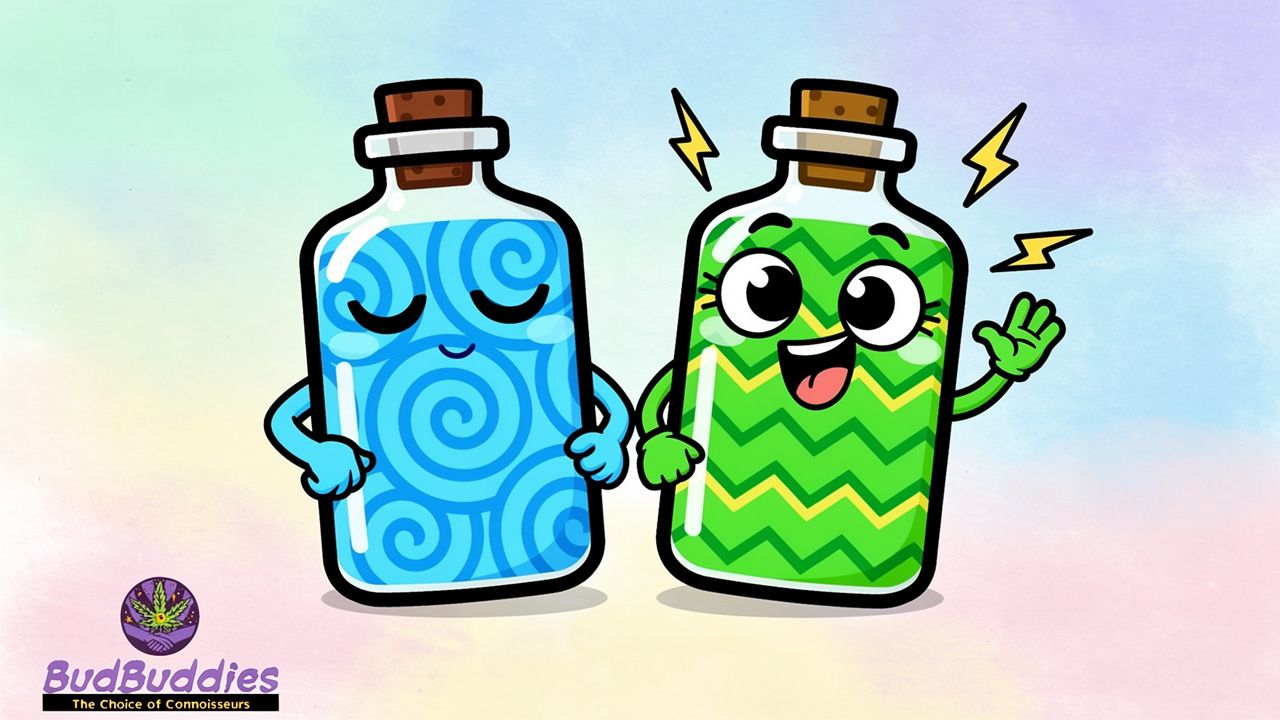
CBD generally shows steadier, more consistent evidence for anyone wondering whether cannabis can help lower blood pressure, largely because it skips the intoxicating, heart-racing effects that come with THC. Research suggests CBD may ease stress-related blood pressure spikes, partly by promoting relaxation and helping blood vessels widen rather than tighten. Its anti-inflammatory properties are thought to support general heart health too, which matters given how closely inflammation and cardiovascular strain are linked.
THC, meanwhile, remains far less predictable, often triggering the short-term spike covered earlier, sometimes followed by a sudden drop that catches people off guard, a pattern reflected in a preprint study on pulse pressure and mean arterial pressure among cannabis users. For anyone specifically concerned about blood pressure, CBD-dominant products tend to offer a calmer, steadier experience, though it’s still worth checking with a GP before deciding. The table below sums up the broad pattern people typically notice.
| Factor | CBD | THC |
|---|---|---|
| Psychoactive effect | None | Yes, produces a high |
| Typical blood pressure pattern | Steadier, may ease stress spikes | Short-term spike, sometimes followed by a drop |
| Best suited for | Calm, predictable wellness use | Recreational effects, experienced users |
Choosing The Right Product For A Calmer Experience
If a calmer, more predictable experience matters to you, product choice makes a real difference. BudBuddies stocks lab-tested CBD oils, capsules, and broad-spectrum or isolate options for anyone wanting to avoid THC entirely, each with a Certificate of Analysis so you know exactly what’s in every batch.
For those who still want THC but prefer a gentler ride, Indica-dominant or CBD-forward flower tends to feel less intense than sharp, THC-heavy sativas. Checking potency figures and terpene profiles before buying helps you dose with more confidence, rather than guessing and hoping for the best.
Why Do Effects Vary So Much Between People?
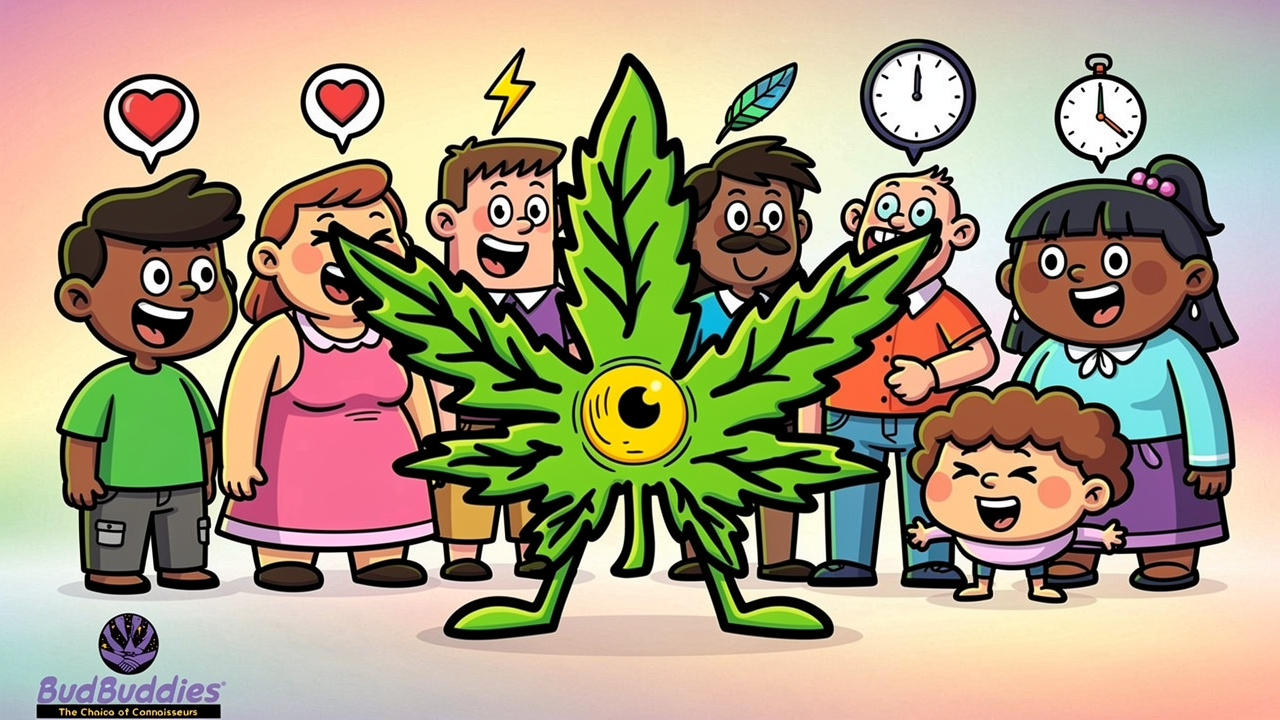
Two people can use the exact same product and notice completely different effects on their heart rate and blood pressure. Genetics play a real part here, influencing how quickly your body processes cannabinoids and how your cardiovascular system reacts. Your general health, especially any existing heart condition, shapes the outcome too.
Genetics and general health, including any existing heart or blood pressure condition.
Tolerance built up through regular use, which changes how strongly you feel a given dose.
Method of consumption, since smoking and vaping act fast while edibles take longer and last longer.
Strain type and cannabinoid balance, particularly whether a product leans THC-dominant or CBD-dominant.
Because these variables stack up so quickly, starting low and going slow remains the sensible approach. A small dose lets you judge your own reaction before increasing it, rather than risking an unpredictable spike in heart rate or blood pressure from a dose that’s stronger than your tolerance can handle.
Using Cannabis Responsibly If You’re Watching Your Blood Pressure

Using cannabis responsibly starts with dosing sensibly, particularly if blood pressure is already on your mind. Starting with a low THC dose, such as 2.5 to 5mg in an edible, gives your body a chance to adjust gradually rather than facing a sudden spike. Choosing consistent, lab-tested products from the platform removes a lot of the guesswork, since accurate potency labelling means you always know roughly what you’re taking.
Beyond dosing, it’s worth speaking to your GP before using cannabis if you already have blood pressure concerns or an existing heart condition. This isn’t about replacing conventional treatment, it’s about using cannabis alongside professional guidance rather than instead of it. A quick conversation with a healthcare provider can flag interactions or risks you might not have considered on your own.
Wrapping Up
So, does weed lower blood pressure? The honest answer is that it depends on timing, the compound involved, and your own body. THC tends to spike blood pressure shortly after use before sometimes dropping it, while regular long-term use shows a more mixed, still-debated picture. CBD offers a gentler, steadier profile for anyone specifically thinking about blood pressure, though it’s not a replacement for medical treatment.
If you’re curious to explore cannabis with a calmer, more informed approach, BudBuddies’ lab-tested CBD and THC ranges give you a reliable starting point, backed by clear labelling and Certificates of Analysis. Just remember to check in with your GP about anything related to a diagnosed blood pressure condition before changing your routine.
Frequently Asked Questions
Still have questions about weed and blood pressure? Here are quick, straightforward answers to what people ask us most often.
Can Smoking Weed Cause A Heart Attack?
THC can raise your heart rate and blood pressure shortly after use, which may add strain for anyone with existing heart disease. This spike, combined with reduced oxygen from smoking, has been linked to cardiac events in rare cases. Speak to a GP first if you have any cardiovascular condition.
Does Weed Help With Anxiety-Related High Blood Pressure?
It can, for some people, since reduced stress and anxiety may indirectly ease blood pressure driven by tension. However, high doses of THC sometimes trigger anxiety or paranoia instead, which can raise blood pressure rather than lower it. Response really does vary from person to person.
Is CBD Oil Safe To Take With Blood Pressure Medication?
Not always without checking first. CBD can interact with certain medications, including some blood pressure treatments, by affecting how your liver processes them. Always discuss this with a GP or pharmacist before combining the two. The retailer provides full ingredient transparency to help make that conversation easier.
How Long Does Weed Affect Your Blood Pressure After Use?
Typically, a spike appears within minutes and eases within a few hours, though this varies by method. Smoking and vaping act fastest, often peaking within around 30 minutes, while edibles take longer to kick in and can affect blood pressure for several hours afterward.

